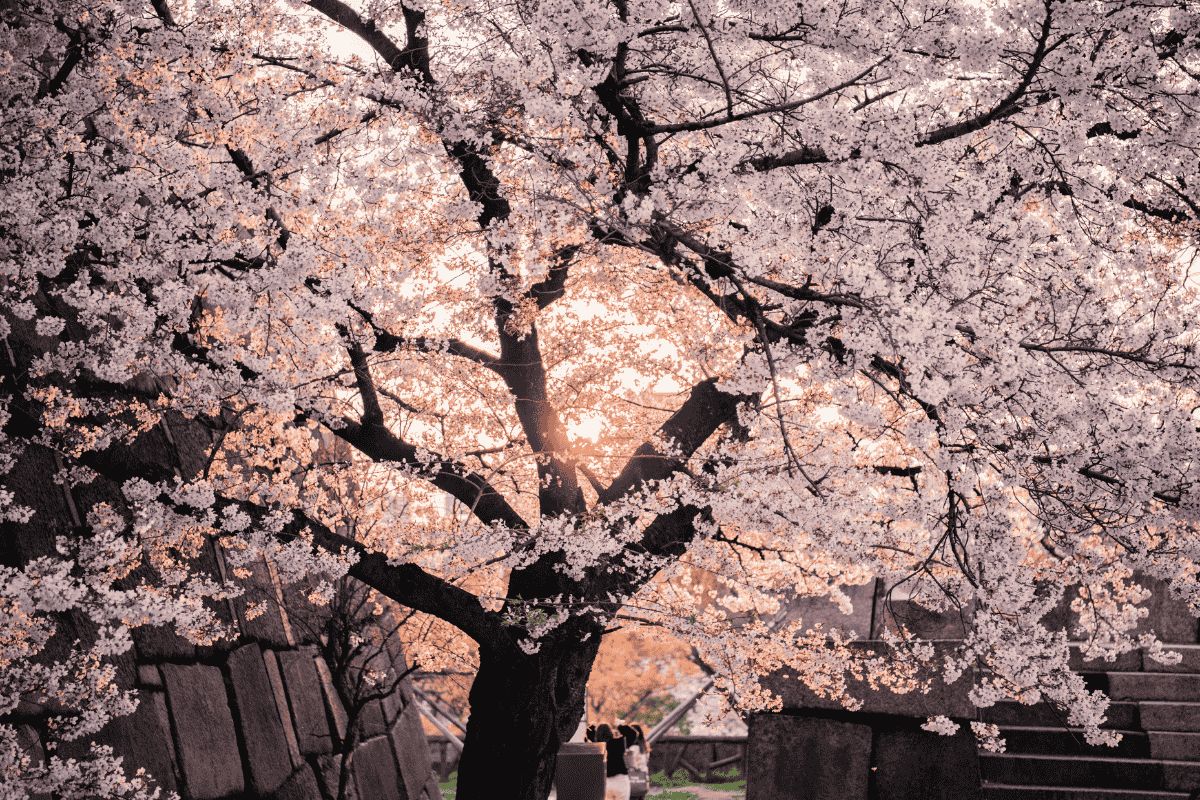
Cherry blossoms appear for only a short time each year, yet they receive enormous attention in Japan.
This article explains why seasons matter so deeply in Japanese culture—and how this sensitivity shapes emotions, traditions, and daily life.
Why Do Japanese People Care So Much About the Seasons?
If you spend time in Japan, you may notice something subtle but constant.
Japanese people talk about the weather often.
They notice small changes in temperature, light, and even the smell of the air.
This is not just casual conversation.
In Japan, seasons are deeply connected to emotions, daily life, culture, and values.
Among all four seasons, spring — and especially cherry blossoms — holds a very special place.
Many visitors wonder:
“Why do cherry blossoms matter so much in Japan?”
Cherry Blossoms Are More Than Just Flowers
Cherry blossoms bloom for only a short time each year —
sometimes just one or two weeks.
People carefully check bloom forecasts, adjust schedules, and gather under the trees.
This tradition is called hanami, or flower viewing.
Families bring homemade lunch boxes.
Friends sit quietly beneath the trees.
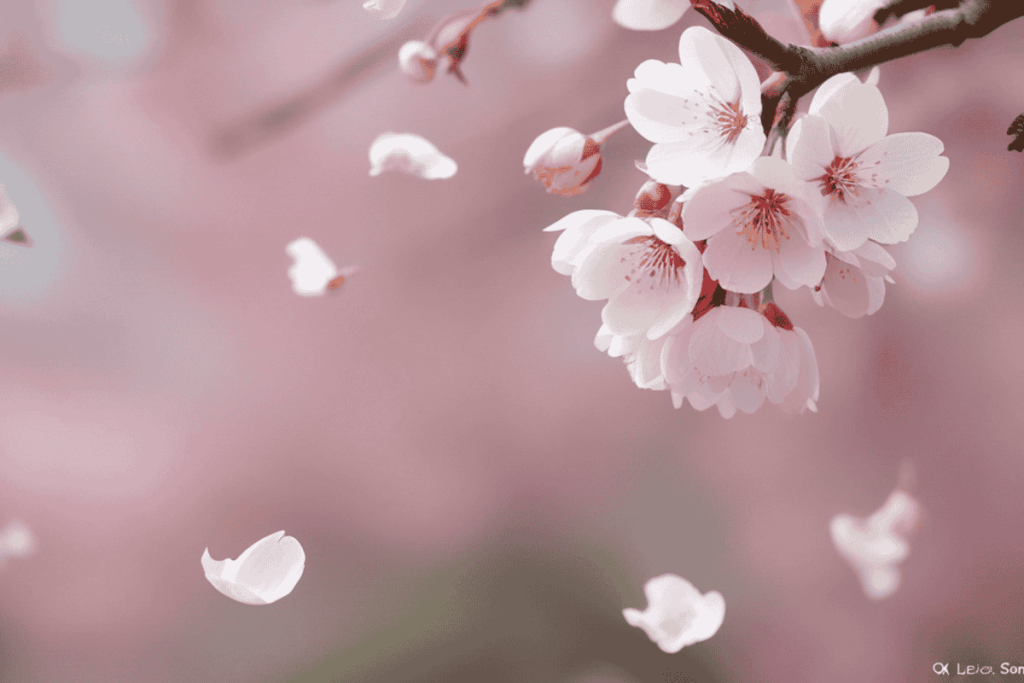
Some people simply stand and watch petals fall.
To visitors, it may look like a simple picnic.
But to many Japanese people, cherry blossoms carry a deeper meaning.
They represent the beauty of impermanence.
👉 This way of thinking also appears in everyday communication, such as frequent apologies, explained in
Why Japanese People Say “Sorry” So Often: The Meaning of Sumimasen.
Cherry Blossoms as a Living Seasonal Calendar
For centuries, cherry blossoms were not only admired — they were observed carefully.
Farmers used cherry blossoms as a natural seasonal guide.
- Swelling buds signaled when to prepare rice seeds
- Full bloom marked prayers for a good harvest
- Falling petals reminded people that the season was changing
In some regions, the way blossoms bloomed was even used to predict the year’s harvest.
Cherry trees acted as a living calendar, helping people sense subtle changes in nature.
This deep seasonal awareness still remains today.
Waiting for Spring — and Accepting What Does Not Last
After a long winter, spring brings relief and quiet excitement.
Cherry blossoms express that feeling perfectly.
At the same time, there is another emotion — sadness.
People wait eagerly:
three-tenths bloom, half bloom, almost full.
And just when the flowers reach their peak,
a single night of wind or rain can end the season.
This experience is familiar to almost every Japanese person.
The combination of joy and loss is what makes cherry blossoms so deeply moving.
Mono no Aware: Finding Beauty in Impermanence
Japan has a long-standing concept called mono no aware.
It is the gentle awareness that nothing lasts forever —
and that this is exactly why each moment matters.
Cherry blossoms bloom beautifully, then fall silently.
Rather than trying to hold onto things,
Japanese culture often values fully appreciating the present.
This idea appears throughout Japanese literature and poetry.
A famous poem by Ariwara no Narihira says:
If there were no cherry blossoms in this world,
how peaceful people’s hearts would be in spring.
Cherry blossoms disturb the heart —
and that is precisely why they are loved.
How Seasons Shape Everyday Life in Japan
Seasonal awareness appears everywhere:
- Seasonal foods and limited-time menus
- Clothing colors that change throughout the year
- Greetings that mention the weather or season
- School and work schedules that begin in spring
In Japan, the school year starts in April.
Cherry blossoms are strongly tied to graduation, new beginnings, and farewells.
That is why they appear so often in songs, anime, and stories.
👉 This connection between culture and daily manners can also be seen in
Why Japan Is Like This: Silent Trains and Quiet Public Spaces.
A Small Cultural Wordplay: Three-Colored Dango
Even sweets reflect seasonal thinking.
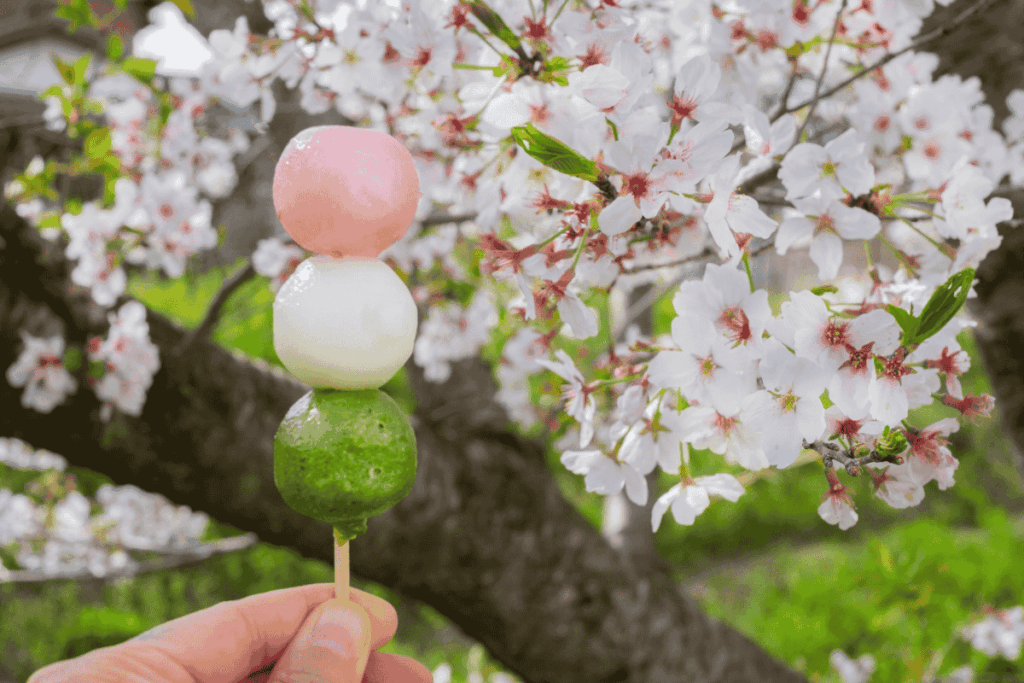
The traditional sanshoku dango represents:
- White: winter snow
- Pink: spring cherry blossoms
- Green: early summer leaves
Autumn is missing on purpose.
In Japanese, aki means both “autumn” and “getting tired of something.”
So “no autumn” can also mean “you never get tired of it.”
It is a playful wish for happiness and long-lasting business —
a small example of gentle humor woven into daily life.
Nature in the Middle of the City
Across Japan — even in large cities —
cherry trees are planted along rivers, near schools, and in residential areas.
Personally, I have never seen a Japanese school without cherry trees.
It often feels as though cities are designed to live alongside nature, not against it.
A Gentle Message to Visitors
You do not need to fully understand all of this.
Standing beneath cherry blossoms and watching petals fall is enough.
If you see people sitting quietly or taking photos in silence,
they are not sad.
They are simply appreciating the moment.
This seasonal awareness is one of the quiet, gentle ways
Japanese people connect with the world around them.
In Japan, change itself carries meaning.
Understanding this seasonal awareness helps explain why Japanese people find beauty in fleeting moments—and why that feeling appears everywhere, from food to festivals.

[English] A local insider born in Nagasaki, educated in the U.S., and now based in the Kanto region. After a career in finance and publishing in Tokyo, I now explore the “Why” behind Japanese culture and hidden regional gems. My mission is to help you discover the authentic heart of Japan beyond the tourist crowds.
[한국어] 나카사키 출생, 미국 유학을 거쳐 도쿄 금융권 및 편집자로 활동한 현지인 에디터입니다. 현재 관동 지역에 거주하며 후쿠오카를 비롯한 일본 전역의 ‘진짜’ 매력과 독특한 문화 이야기를 전합니다. 여러분의 여행이 더욱 깊어지는 길잡이가 되겠습니다.