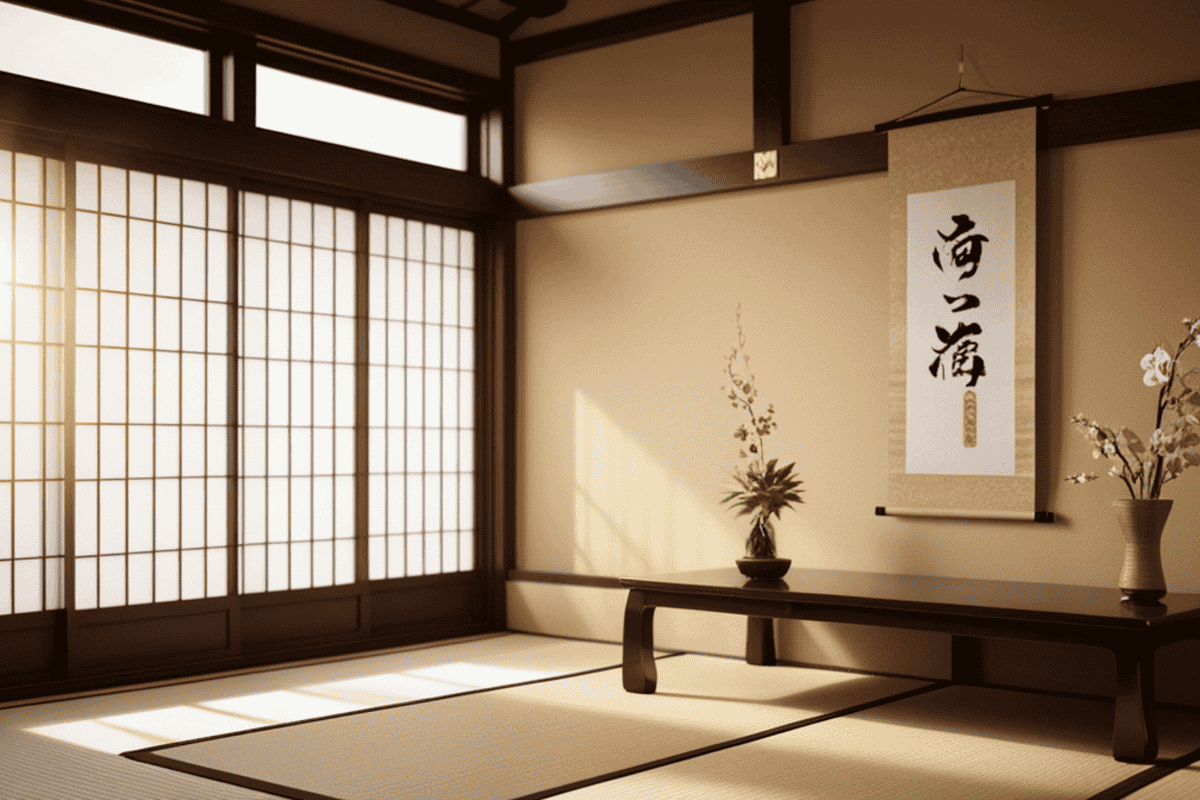
Japanese homes often appear simple, clean, and uncluttered.
This article explores why minimalism is common in Japan—and how it connects to emotional comfort, not just design preferences.
Why Do Japanese Homes Feel So Simple?
Many visitors feel a quiet sense of surprise when they step into a Japanese home.
The space often feels calm and uncluttered — sometimes even almost empty.
There is little furniture, few decorations, and a strong awareness of space itself.
For people used to homes filled with objects and personal items,
this simplicity can feel unusual.
Some may even wonder:
“Doesn’t this feel cold?”
“Where is the personality?”
However, Japanese minimalism does not come from coldness or strict rules.
It reflects a long-standing way of thinking about space, daily life,
and quiet consideration for others.
A Calm Space Creates a Calm Mind
Many Japanese people believe that the space around you affects your state of mind.
Too many objects can feel:
- visually noisy
- mentally tiring
- difficult to manage
Simple rooms allow people to rest — not only physically, but mentally.
This is not about denying comfort or individuality.
It is about balance.
Living with fewer things often feels lighter, calmer, and easier.
Minimalism Has Deep Historical Roots
Japanese minimalism did not begin as a modern lifestyle trend.
It can be traced back to the Edo period (17th–19th centuries).
At that time:
- people lived in very small spaces
- owned only what was necessary
- reused and repaired items carefully
In the world of tea ceremony, this idea was refined even further.
The principle often described as
“one utensil, one scene”
encouraged people to select a small number of meaningful tools and use them with care.
This mindset values intention over quantity.
Minimalism Is a Way of Living, Not Just Design
Outside Japan, “minimalism” often refers to interior design or aesthetics.
In Japan, it is closer to a way of living.
The goal is not to make a home look impressive.
The goal is to make daily life smoother.
Objects are kept because they are:
- useful
- meaningful
- truly needed
When something no longer serves a purpose, it is often let go of naturally.
This idea is closely connected to mottainai — the feeling that wasting things is regrettable.
Broken items were repaired.
Clothes were altered or passed on.
Reuse was normal.
What once developed from necessity is now often seen as an early form of sustainable living.
Small Living Spaces Shape Daily Habits
Another reason for minimalism is space.
Especially in cities, Japanese homes are often small.
Limited space naturally encourages careful choices.
Every object needs a role.
Rather than feeling restrictive, this often inspires creativity and flexibility.
Traditional living shows this clearly:
- futons are laid out at night and stored away in the morning
- rooms change function throughout the day
- furniture remains minimal
Anyone who has stayed in a ryokan or traditional inn has experienced this.
Tatami, Sliding Doors, and the Beauty of Empty Space
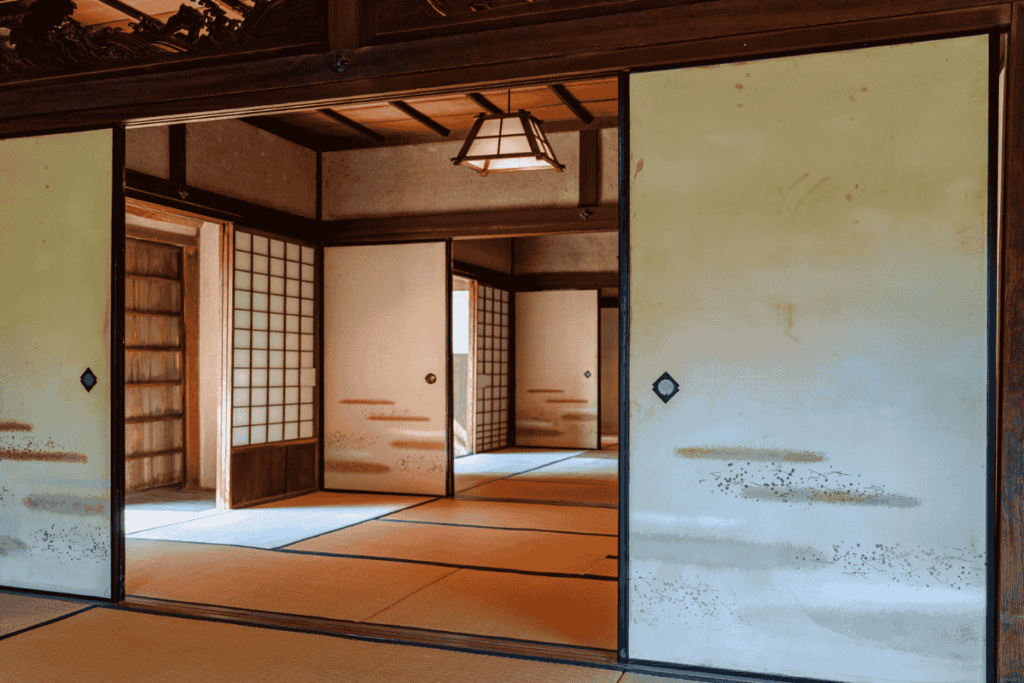
Traditional Japanese homes are designed to be flexible.
Tatami rooms can become:
- bedrooms
- dining spaces
- living areas
Sliding doors like shoji and fusuma allow rooms to open or close as needed.
Most striking is the presence of empty space.
In Japanese culture, empty space is not wasted.
It is meaningful.
It allows:
- movement
- rest
- imagination
What is not there can be just as important as what is.
Cleaning as a Daily Habit, Not a Special Task
Cleaning plays an important role in Japanese homes.
It is not just about removing dirt.
It is about resetting the space and the mind.
This idea connects closely to school culture, where children clean their classrooms daily.
By taking care of shared spaces themselves, people learn:
- responsibility
- awareness of others
- respect for place
👉 This mindset is also explored in
Why Japanese Streets Are So Clean Without Trash Cans.
At home, the same attitude exists:
keeping spaces clean so they can always be used comfortably.

Experiencing Minimalism in Modern Japan
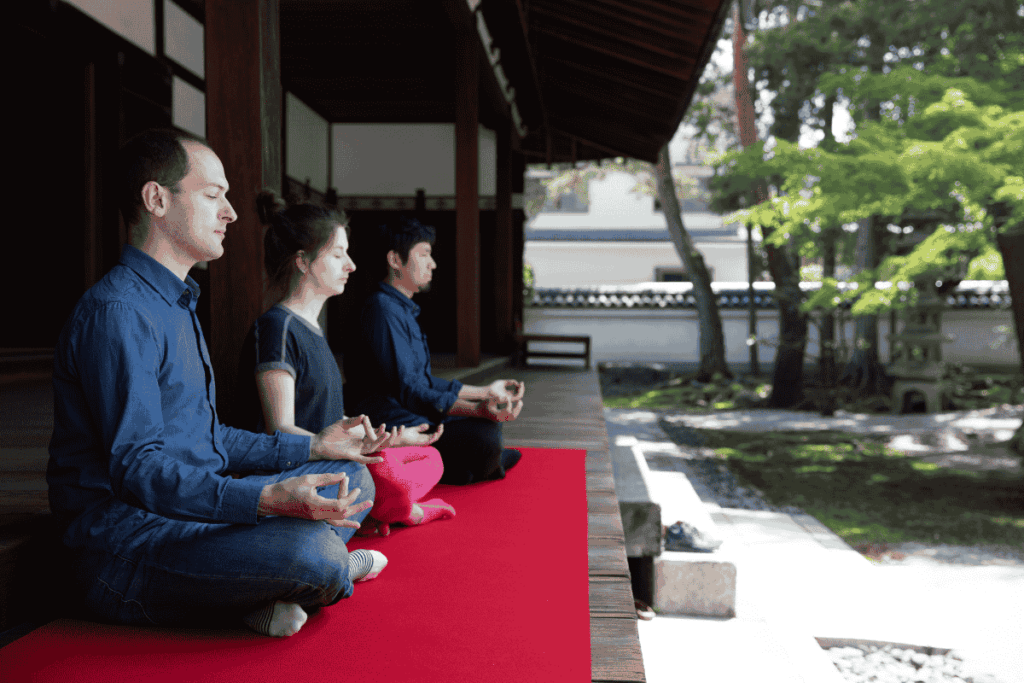
In recent years, Zen temples and temple lodgings (shukubo) have begun offering retreat programs for international visitors.
Participants often:
- sleep on tatami
- eat simple traditional meals
- wake early for meditation
- disconnect from smartphones
Many visitors are surprised by how quiet their minds become.
Without constant noise and choice, people often rediscover:
- awareness
- rest
- clarity
For many, this is their first real experience of Japanese minimalism —
not as design, but as daily life.
Why Fewer Things Can Feel More Comfortable
For many Japanese people, minimalist homes feel safe and restful.
There is less visual noise and fewer distractions.
Coming home becomes a way to slow down.
Minimalism here does not mean “less is better.”
It means:
“Life feels easier this way.”
Why This Can Feel Uncomfortable to Visitors
For people from other cultures, Japanese homes may feel:
- too quiet
- too plain
- lacking warmth
This reaction is natural.
Comfort and individuality are expressed differently across cultures.
Neither way is right or wrong.
Understanding these differences helps avoid misunderstanding.
A Gentle Message for Visitors
There is no need to adopt Japanese minimalism.
No one expects visitors to live this way.
Simply experiencing such a space can offer a new perspective on time, rest, and possessions.
Quiet spaces sometimes invite us to pause.
Minimalism in Japan is not about owning less.
It is about creating space—both physical and emotional—for calm everyday life.

[English] A local insider born in Nagasaki, educated in the U.S., and now based in the Kanto region. After a career in finance and publishing in Tokyo, I now explore the “Why” behind Japanese culture and hidden regional gems. My mission is to help you discover the authentic heart of Japan beyond the tourist crowds.
[한국어] 나카사키 출생, 미국 유학을 거쳐 도쿄 금융권 및 편집자로 활동한 현지인 에디터입니다. 현재 관동 지역에 거주하며 후쿠오카를 비롯한 일본 전역의 ‘진짜’ 매력과 독특한 문화 이야기를 전합니다. 여러분의 여행이 더욱 깊어지는 길잡이가 되겠습니다.