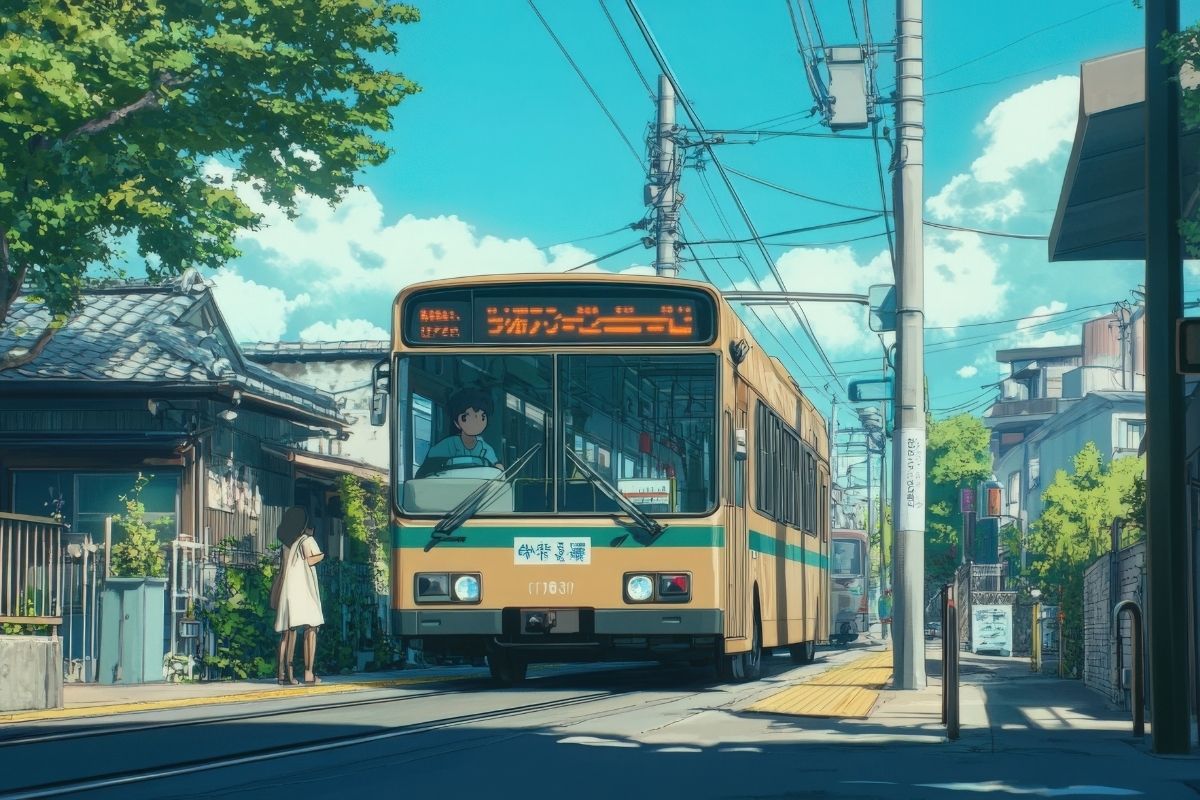
Japanese anime often feels emotional in ways that are difficult to explain.
This article explores why silence, ordinary moments, and subtle expressions play such a large role in anime—and how these elements reflect Japanese culture.
Anime Is Not Just Entertainment in Japan
Outside of Japan, anime is often seen as colorful animation or pop culture—something fun and entertaining.
In Japan, anime plays a very different role.
Anime is not created only to entertain.
It is also a medium for expressing emotions, memories, and thoughts that are difficult to put into words.
Many Japanese people grow up watching anime from childhood.
I am no exception.
I watched countless anime series as a child, and after becoming a parent, I now watch anime together with my own children.
Over time, I noticed something important:
Very few Japanese anime leave you with a simple feeling of
“That was fun.”
Most of them leave something behind—
a quiet lesson, a lingering emotion, or a gentle reminder of something easily forgotten.
Anime in Japan is not something distant or special.
It is part of everyday life.
That is why Japanese ways of feeling, thinking, and connecting with others naturally appear within anime stories.
Stories for Children That Move Adults
Series such as Anpanman or Doraemon may appear simple or child-oriented to people unfamiliar with them.
Yet their themes are deeply emotional.
The lyrics of Anpanman’s theme song often bring adults to tears.
They speak about kindness, sacrifice, and helping others—even at personal cost.
Doraemon, which often focuses on friendship and family, has produced countless films that continue to move audiences across generations.
These stories are not only for children.
They quietly speak to values that Japanese people carry throughout their lives.
Silence, Pauses, and Unspoken Feelings
One of the most distinctive features of Japanese anime is silence.
Characters may remain quiet for long moments.
Scenes unfold slowly.
Not everything is explained through dialogue.
This reflects a common cultural sensibility in Japan:
Emotions do not always need to be spoken to be understood.
Silence can express:
- understanding
- respect
- deep emotion
Anime uses silence the same way Japanese people often do in real life.
This comfort with quiet moments is also visible in daily public life.
👉 【🔗 Silent Trains and Quiet Public Spaces】
In anime, silence invites viewers to feel rather than be told.
Emotions Come Before Clear Messages
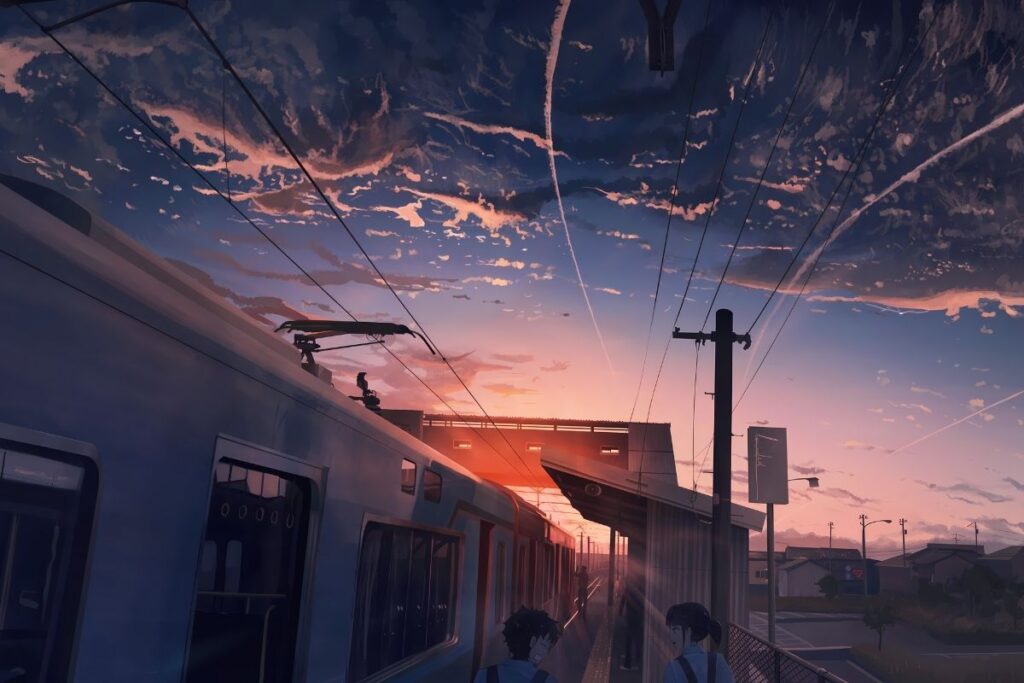
Japanese anime often prioritizes emotional experience over clear explanations.
Characters may not openly say what they feel.
Instead, viewers read emotions through:
- facial expressions
- atmosphere
- music
- timing
This mirrors how communication often works in Japan.
Meaning is frequently conveyed through context rather than direct words.
👉 【🔗 Indirect Communication and “Reading the Air”】
Anime encourages viewers to feel first.
Understanding often comes later.
Why Ordinary Moments Matter So Much
Many anime spend a surprising amount of time on everyday moments:
- sharing a meal
- walking home
- watching the sky
- sitting quietly together
To some viewers, these scenes may feel slow or unnecessary.
In Japan, however, ordinary moments carry emotional weight.
Feelings accumulate quietly through daily life.
Small moments often stay in the heart longer than dramatic scenes.
This sensitivity is closely tied to Japan’s awareness of seasons and time.
👉 【🔗 The Obsession with Seasons and Cherry Blossoms】
Anime does not rush.
It values being present.
Why Japanese Anime Can Feel Unusual Overseas
For viewers from other cultural backgrounds, Japanese anime can feel different.
Stories may progress slowly.
Endings may remain ambiguous.
Emotions can feel deep but hard to explain.
This does not mean one approach is better than another.
It simply reflects different cultural ways of expressing emotion.
Understanding this background often allows viewers to enjoy anime more deeply—without frustration.
A Gentle Message to First-Time Anime Viewers
If you are watching Japanese anime for the first time, you do not need to understand everything.
It is okay to feel confused.
It is okay to be moved without knowing why.
Do not rush to analyze.
Pay attention to:
- silence
- atmosphere
- ordinary moments
Avoiding anime because you are an adult would be a great loss.
I have laughed, cried, and been deeply moved watching anime alongside my children—sometimes more than with live-action films.
Anime quietly reflects Japanese culture, values, relationships, spirituality, and views on life itself.
Why Anime Became This Way: A Brief Historical Background
Japanese anime did not become emotionally deep by accident.
After World War II, Japan went through a long period of rebuilding.
People needed affordable entertainment—but also stories that offered hope and emotional connection.
Early television anime such as Astro Boy was created under severe budget and time limitations.
Because smooth, realistic animation was difficult, creators focused instead on:
- facial expressions
- music
- silence
- storytelling
These limitations shaped a style where emotions mattered more than action.
From the 1970s onward, anime expanded into many genres.
Works like Space Battleship Yamato and Lupin the Third attracted older audiences.
In the late 1980s and 1990s, films such as AKIRA and Ghost in the Shell showed the world that anime could explore philosophy, identity, and deep emotional themes.
Even today, with advanced technology and global streaming platforms, many creators continue to value subtlety and emotional depth.
Anime as a Quiet Reflection of Japan
Japanese anime often feels quiet, emotional, and deeply human.
This is because it reflects how emotions are experienced in Japan—not loudly, but carefully.
Not everything needs to be explained.
Some feelings are meant to be shared in silence.
Anime gently invites viewers into that space.
Anime in Japan is not just entertainment.
It is one of the ways emotions, values, and quiet understanding are passed between generations.

[English] A local insider born in Nagasaki, educated in the U.S., and now based in the Kanto region. After a career in finance and publishing in Tokyo, I now explore the “Why” behind Japanese culture and hidden regional gems. My mission is to help you discover the authentic heart of Japan beyond the tourist crowds.
[한국어] 나카사키 출생, 미국 유학을 거쳐 도쿄 금융권 및 편집자로 활동한 현지인 에디터입니다. 현재 관동 지역에 거주하며 후쿠오카를 비롯한 일본 전역의 ‘진짜’ 매력과 독특한 문화 이야기를 전합니다. 여러분의 여행이 더욱 깊어지는 길잡이가 되겠습니다.