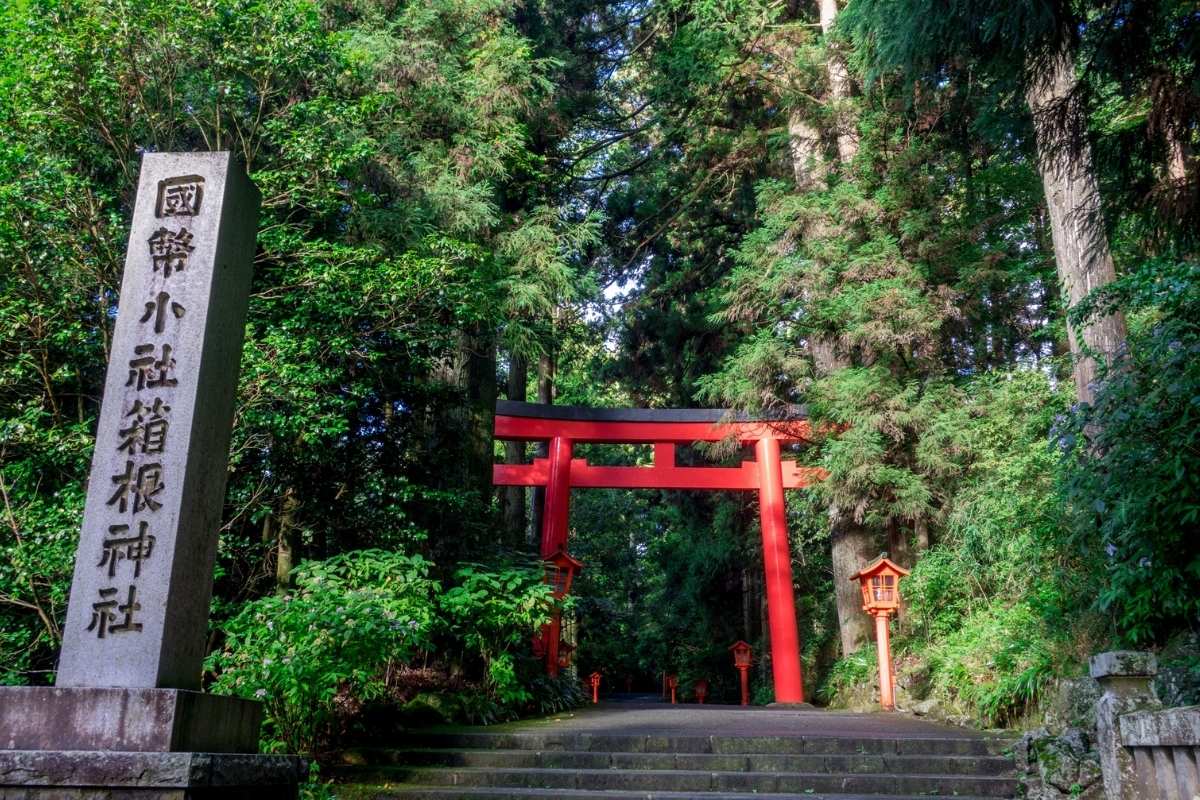
Shrines appear everywhere in Japan—from busy cities to quiet neighborhoods.
This article explains why shrines feel natural rather than religious for many Japanese people, and how they connect to daily life, gratitude, and emotional balance.
Why Do Shrines Appear Everywhere in Japan?
When you visit Japan, you may quickly notice how often people stop by shrines.
They take photos of torii gates, quietly wash their hands, bow gently, and make small wishes.
Shrines appear near stations, schools, residential areas, and even between tall buildings.
Many visitors naturally wonder:
- “Is this a religion?”
- “Do Japanese people really believe in gods?”
The answer is not simple.
In Japan, shrines are not only places of faith.
They are places that express emotion, respect, nature, and everyday life.
For many people, shrines are not separate from daily life — they are part of it.
Shrines as Quiet Companions in Daily Life
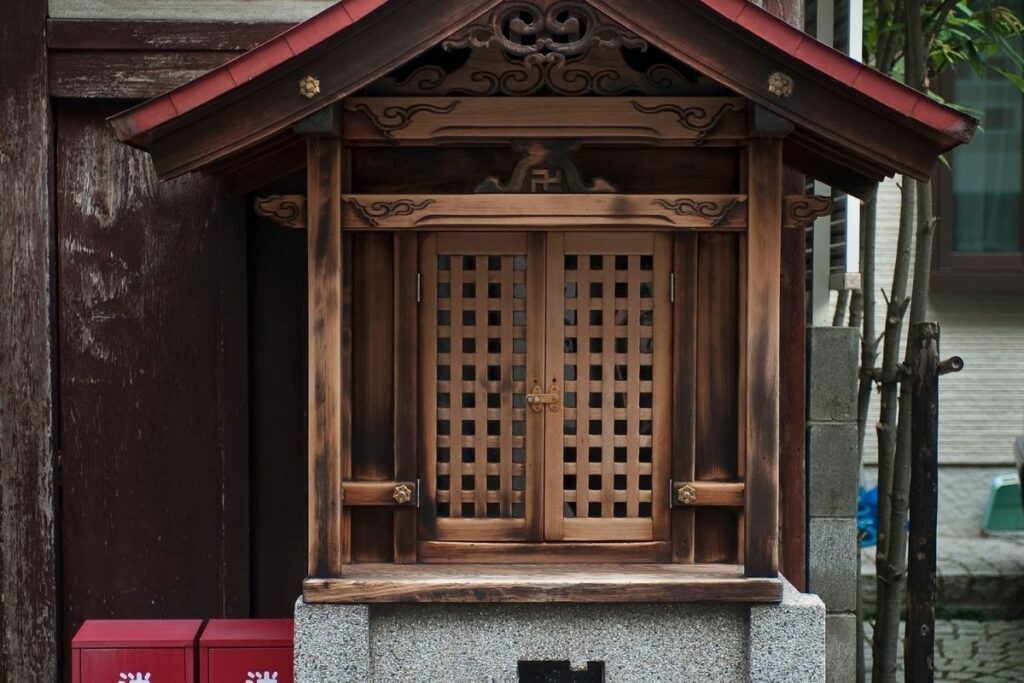
I have been visiting shrines since before I can remember.
At the beginning of the year, we visit for the New Year.
Children visit for Shichi-Go-San to pray for healthy growth.
When traveling, we often stop by local shrines along the way.
Shrines are not special destinations.
They are quiet companions — places people pass by, greet, and leave behind.
In many countries, religious spaces feel distant from everyday routines.
They are places for special occasions or people with strong beliefs.
In Japan, shrines feel much closer.
People stop by on the way to work, before exams, or during a casual walk.
For many Japanese people, visiting a shrine feels closer to saying “thank you” or “hello” than making a declaration of faith.
Many Presences, Not One God
Shinto does not center around a single god.
Instead, it is based on the idea that kami — spiritual presences — exist everywhere.
Mountains, trees, rivers, rocks, and even places themselves can be homes to kami.
These presences do not command or judge.
They quietly exist and deserve respect.
This worldview is very different from cultures centered around a single creator god.
In Japan, gods are not separate from nature — they are part of it.
Because of this, Shinto does not demand strong belief or strict rules.
It encourages awareness, gratitude, and careful behavior instead.
This mindset appears in everyday language.
When we say itadakimasu before eating and gochisousama after,
we are thanking nature, the people involved, and everything that made the meal possible.
This quiet gratitude forms the foundation of many Japanese values.
Cleanliness, Silence, and the Atmosphere of Shrines
At shrines, people wash their hands and mouth before praying.
This is not only about physical cleanliness.
It is also about calming the mind.
Without being told, people naturally lower their voices.
There are few instructions, yet behavior changes.
The atmosphere itself guides people.
This same sense of quiet awareness can be felt in other parts of Japan — especially in shared public spaces.
👉 【🔗 Silent Trains and Quiet Public Spaces】
Shrines reflect the same cultural patterns found elsewhere in Japan:
silence, consideration, and respect expressed without words.
Feeling Before Explaining
Japanese culture often values feeling before explaining.
At shrines, there are no sermons and no long explanations.
Meaning is not taught — it is sensed.
This way of understanding without words is closely connected to the Japanese habit of reading the air.
👉 【🔗 Indirect Communication and “Reading the Air”】
When people bow, clap, or stand quietly, they are not following strict rules.
They are responding to the space itself.
Gratitude Matters More Than Wishes
Many visitors believe shrines are places to make wishes.
In reality, they are often places to express gratitude.
People pray for very ordinary things:
health, family, safety, exams, work, and daily peace.
Big wishes are written on wooden plaques called ema.
When you look at these plaques, you notice something interesting.
Most wishes are very similar.
There is a quiet sense of shared humanity — hope, worry, and care for others.
Why Shrines Can Feel Mysterious to Visitors
For people from other cultures, shrines can feel confusing.
There are few explanations and no clear goals.
But this does not mean they lack meaning.
It means the meaning is not verbal.
In Japan, shared atmosphere often matters more than spoken words.
Shrines are one of the clearest expressions of this cultural mindset.
A Gentle Experience of Japan
You do not need to understand Shinto to visit a shrine.
You do not need strong beliefs.
Walk slowly.
Stay quiet.
Watch how others move.
Bring your hands together and feel grateful — for traveling, for being there, for the moment itself.
In that moment, you may realize you are not just visiting a tourist site.
You are touching a very old, gentle part of everyday Japanese life.
Simple Shrine Etiquette (For First-Time Visitors)
You do not need to follow every step perfectly.
What matters most is a calm and respectful attitude.
A simple and commonly followed flow:
- Pause briefly at the torii gate and bow lightly
- Walk slightly to the side of the path
- Cleanse your hands and mouth at the water pavilion
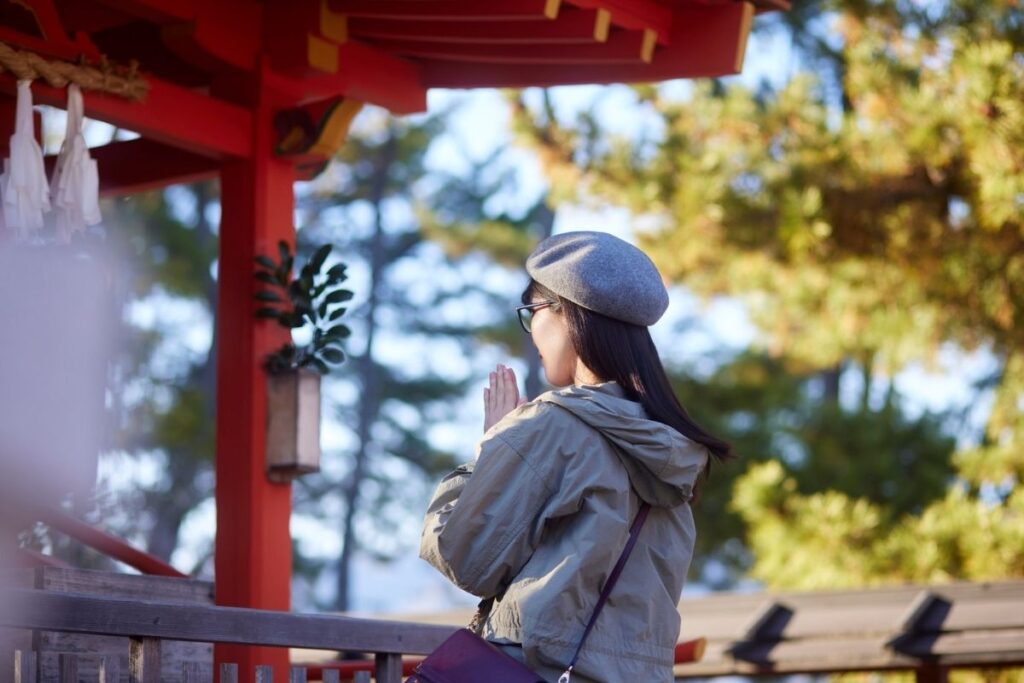
- At the main shrine, bow twice, clap twice, and bow once
During this moment, many people quietly express gratitude rather than making big wishes.
Even if you forget the steps, it is completely fine.
Many Japanese customs are learned through observation rather than explanation.
👉 【🔗 Why Japan Is Like This 】
You do not need belief to visit a shrine.
Simply slowing down and observing is enough to experience a gentle, deeply rooted part of Japanese culture.

[English] A local insider born in Nagasaki, educated in the U.S., and now based in the Kanto region. After a career in finance and publishing in Tokyo, I now explore the “Why” behind Japanese culture and hidden regional gems. My mission is to help you discover the authentic heart of Japan beyond the tourist crowds.
[한국어] 나카사키 출생, 미국 유학을 거쳐 도쿄 금융권 및 편집자로 활동한 현지인 에디터입니다. 현재 관동 지역에 거주하며 후쿠오카를 비롯한 일본 전역의 ‘진짜’ 매력과 독특한 문화 이야기를 전합니다. 여러분의 여행이 더욱 깊어지는 길잡이가 되겠습니다.