Visiting Shrines, Gratitude, and Closing One Chapter of Life
At the beginning of the year, shrines across Japan become crowded.
People line up to pray for health, safety, and calm days ahead.
But there is another reason many Japanese people visit shrines during this season:
to return omamori and ofuda they received the previous year.
In this article, you will learn:
- What omamori and ofuda are, and how they are used
- Why they are usually returned after one year
- What returning them means in Japanese culture
- How this custom reflects Japanese values such as gratitude and closure
Understanding this practice offers insight into how Japanese people quietly organize time, belief, and everyday life.
Visiting Shrines at the Beginning of the Year
In Japan, shrine visits often take place on New Year’s Day or in the weeks that follow.
Some people go immediately, while others wait until the crowds calm down.
Along with prayers for the new year, many bring omamori or ofuda received the year before.
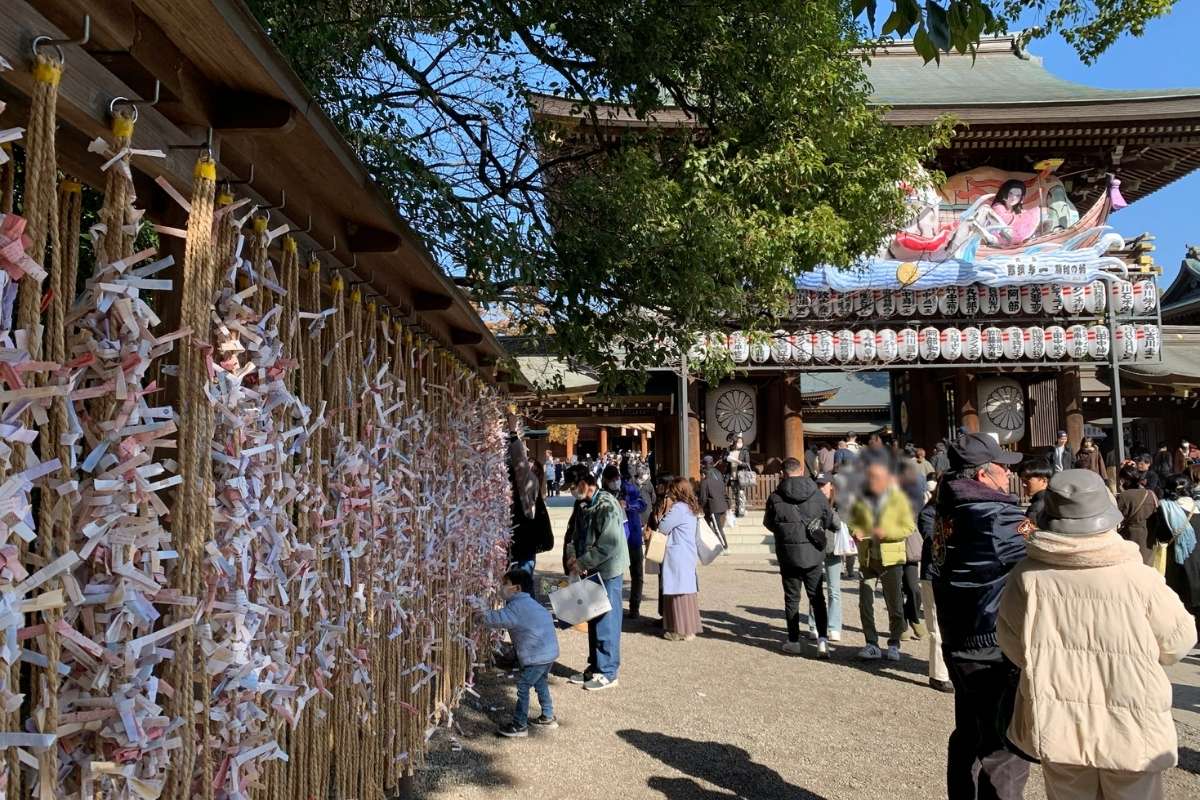
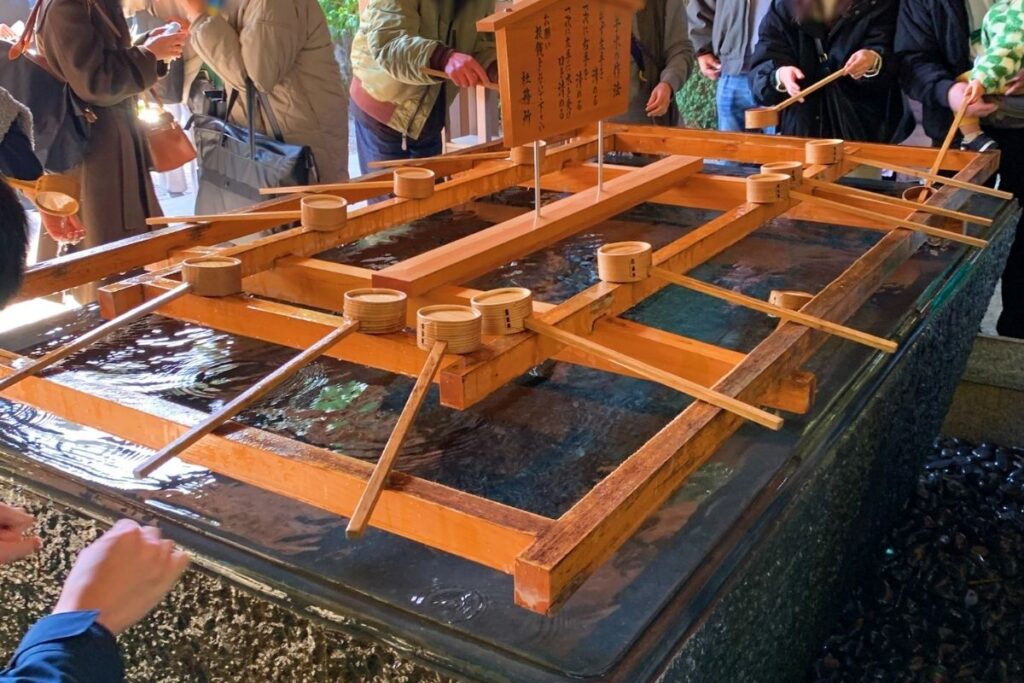
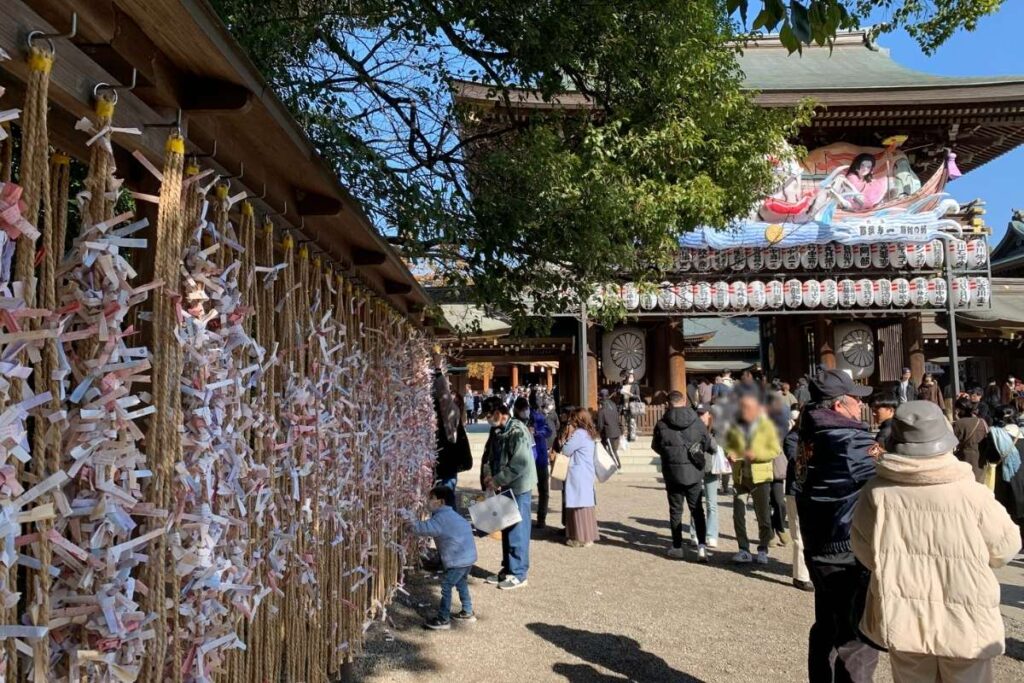
Recently, I visited Samukawa Shrine in Kanagawa Prefecture to return an ofuda my family had kept for one year.
Last year was considered an unlucky year for my husband and our son.
Because of that, we asked the shrine to perform a Happōyoke purification ritual, and we received an ofuda to protect our home.
We placed it respectfully inside our house and lived with it for an entire year.
Returning it this year was a way to say thank you—and to close that chapter properly.
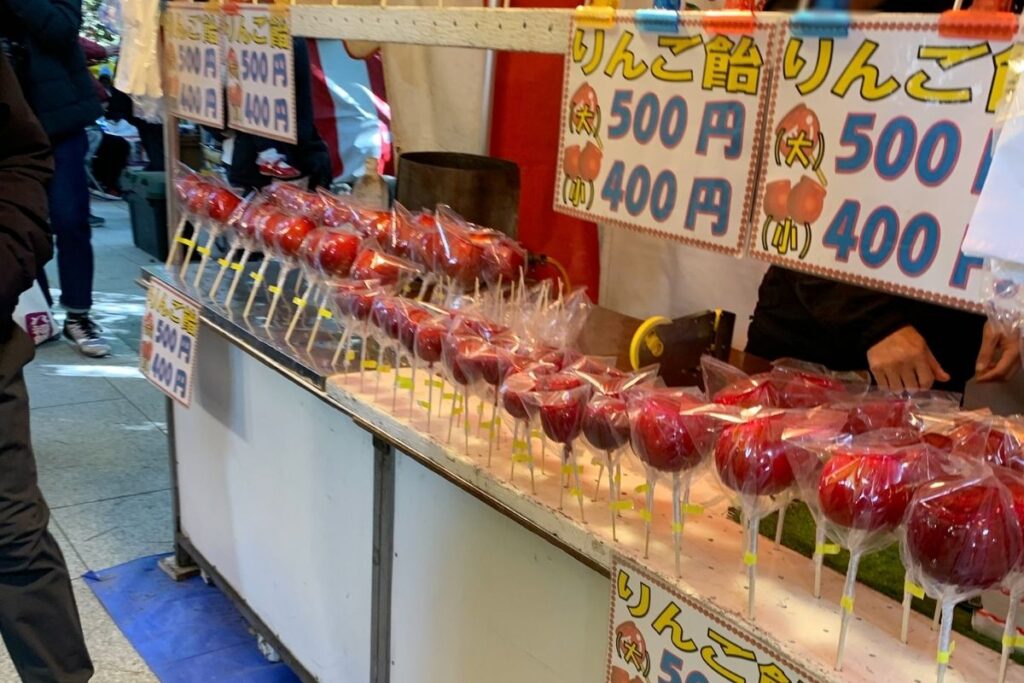
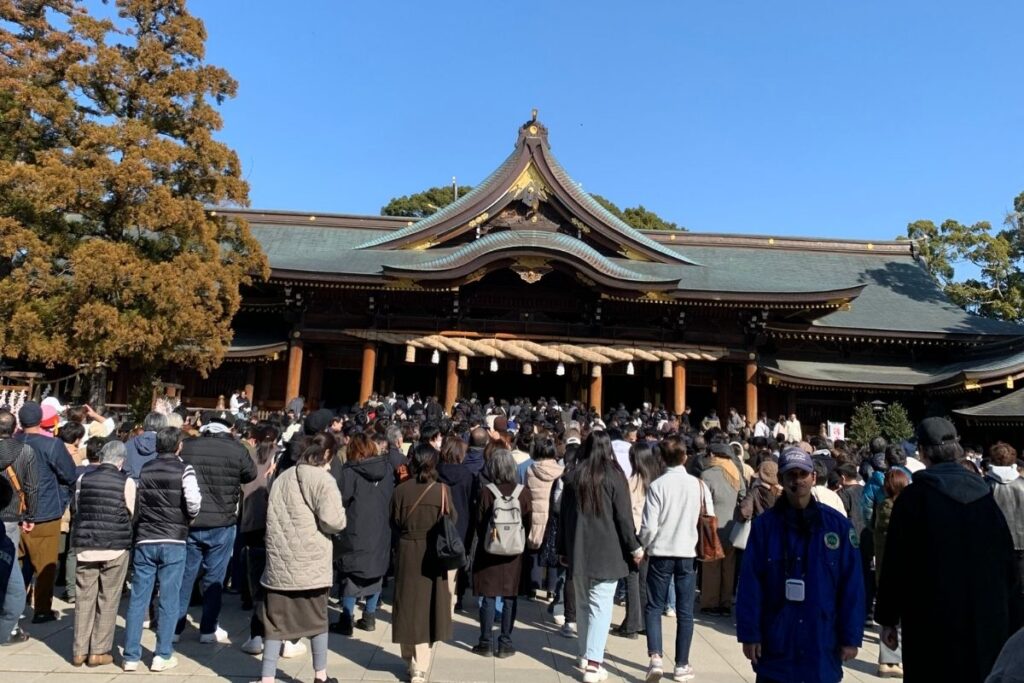
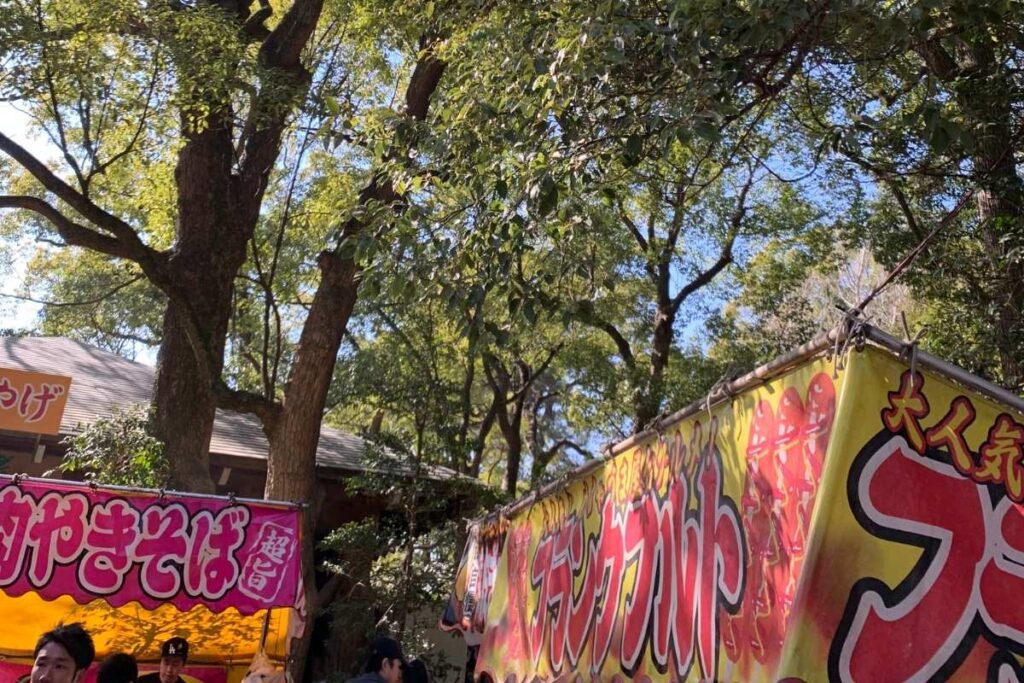
The shrine grounds were crowded.
Long lines formed not only for prayers, but also for purification rituals.
It reminded me how deeply these practices remain part of everyday life in Japan.
Samukawa Shrine and Happōke Protection
Samukawa Shrine is well known for Happōyoke, or protection from misfortune coming from all directions.
Quick Guide: What Is Happōyoke?
- Protection from misfortune coming from all directions
- Includes age, environment, direction, and life changes
- Often prayed for during major turning points
- Especially associated with Samukawa Shrine
Happōyoke reflects the idea that trouble rarely comes from only one cause.
Instead, it may come from timing, surroundings, or sudden changes.
Rather than eliminating all problems, Happoyoke is often described as reducing harm—turning major trouble into something manageable.
What Does “Happō” Mean in Happōyoke?
In Happōyoke, the word happō literally means “eight directions.”
These directions—north, south, east, west, and the four diagonals—represent all possible directions surrounding a person or place.
In traditional Japanese thinking, misfortune is not believed to come from only one clear source.
It may arise from changes in environment, timing, movement, or life circumstances.
Happōyoke therefore means protection from misfortune coming from every side, offering a sense of comprehensive and balanced spiritual protection.
About Samukawa Shrine
- Located in Kanagawa Prefecture
- History of approximately 1,600 years
- The Ichinomiya (highest-ranking shrine) of the former Sagami Province
- Enshrines Samukawa Hikonomikoto and Samukawa Himenomikoto
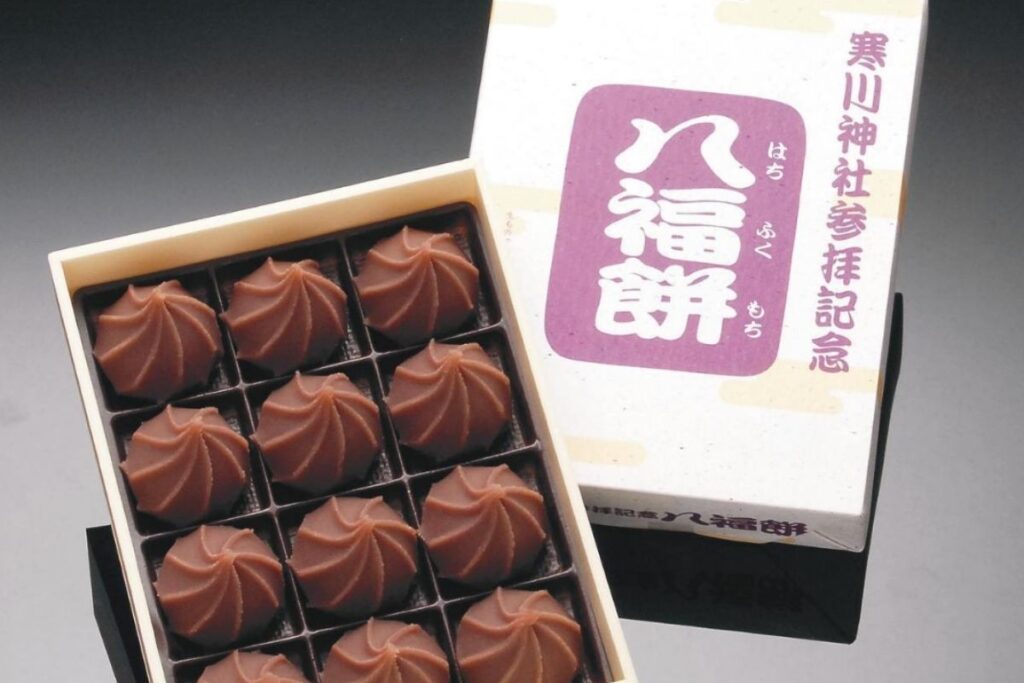
- Known as the only shrine in Japan dedicated specifically to Hachiyoke
Many visitors travel long distances, showing how trusted this shrine is.
What Are Omamori and Ofuda?
At Japanese shrines, visitors may receive omamori or ofuda.
Omamori vs. Ofuda
- Omamori: Small charms carried in a bag or kept nearby
- Ofuda: Paper or wooden talismans placed inside the home
- Both symbolize protection and connection, not souvenirs
At Samukawa Shrine, Hachiyoke ofuda are given as eight separate pieces.
Each piece is placed facing a different direction in the home, symbolizing protection from all sides.
This careful placement reflects how these items are woven into daily living.
Why Omamori and Ofuda Are Returned After One Year
In Japan, omamori and ofuda are typically returned after about one year.
This does not mean they lose power.
Instead, they are thought to have completed their role.
Ideally, they should be returned to the same shrine where they were received.
Returning them to a different shrine—or to a temple of another tradition—would mean returning them to a different deity.
Most shrines have a designated place for returning old items.
At the beginning of the year, they are often burned together in a ritual ceremony.
This act is not disposal.
It is an expression of gratitude.
Why These Objects Are Treated with Care
Omamori and ofuda are treated carefully because:
- They represent a connection with a deity
- They provide emotional reassurance
- They are placed respectfully in the home
- Gratitude is considered essential
For many Japanese people, this is not strict religion.
It is a gentle system of support—something that helps people feel steady in uncertain times.
This quiet relationship with belief helps explain Why Shrines Feel Natural in Everyday Japanese Life.
A Practice Rooted in Closure, Not Faith
Many Japanese people say they are not religious.
Yet customs like this continue naturally.
Returning omamori and ofuda is about:
- Closing one chapter
- Resetting the mind
- Beginning again with awareness
This way of thinking—valuing transitions and endings—also appears in seasonal customs and daily behavior, as explored in Why Japan Is Like This: Seasonal Thinking and Everyday Life.
Conclusion: What Returning Omamori Teaches Us About Japan
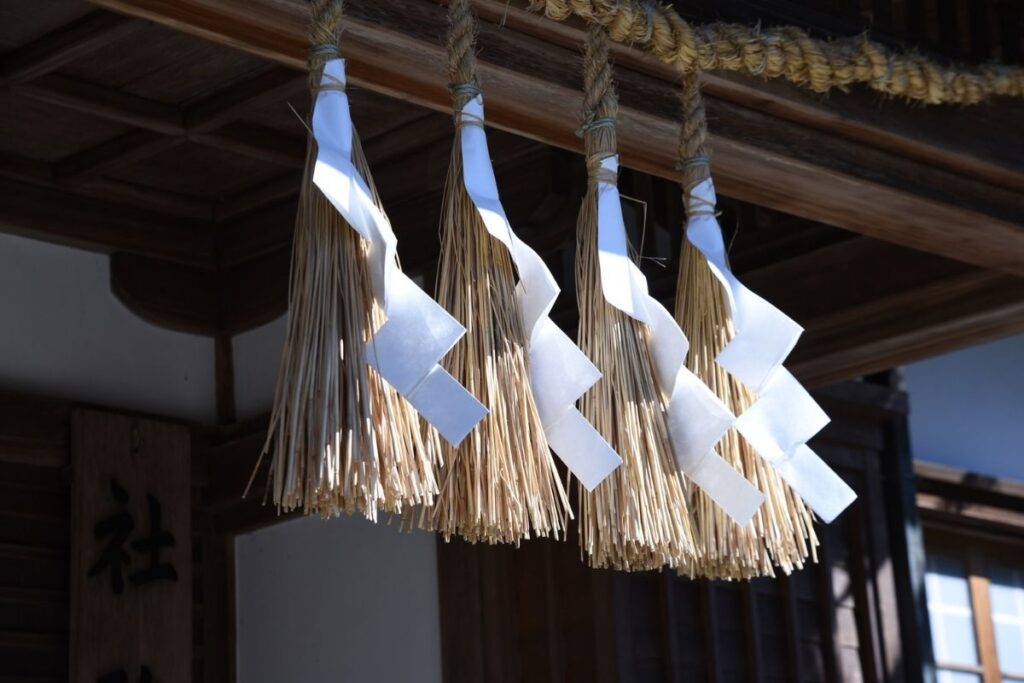
Returning omamori and ofuda is not a dramatic ritual.
It is quiet.
Routine.
Almost ordinary.
But within that simplicity lies something important.
Japanese culture often emphasizes:
- Gratitude over possession
- Closure over accumulation
- Continuity over permanence
By returning what once protected them, people acknowledge the past year and step calmly into the next.
It is not about belief.
It is about balance.
And in that balance, Japanese life continues—one year at a time.

[English] A local insider born in Nagasaki, educated in the U.S., and now based in the Kanto region. After a career in finance and publishing in Tokyo, I now explore the “Why” behind Japanese culture and hidden regional gems. My mission is to help you discover the authentic heart of Japan beyond the tourist crowds.
[한국어] 나카사키 출생, 미국 유학을 거쳐 도쿄 금융권 및 편집자로 활동한 현지인 에디터입니다. 현재 관동 지역에 거주하며 후쿠오카를 비롯한 일본 전역의 ‘진짜’ 매력과 독특한 문화 이야기를 전합니다. 여러분의 여행이 더욱 깊어지는 길잡이가 되겠습니다.