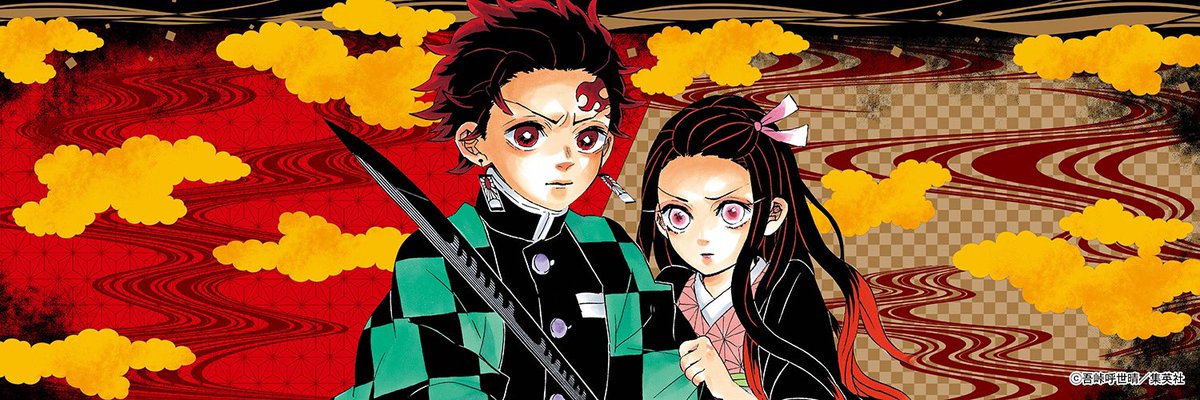
A Japanese Cultural Perspective on Compassion, Family, and Quiet Strength
Introduction: Why This Article Matters
Demon Slayer: Kimetsu no Yaiba became one of the most successful anime and manga series in the world.
It broke box office records, attracted viewers across generations, and resonated far beyond Japan.
But many overseas fans sense something deeper beneath the action and animation—and struggle to put it into words.
This article explains why Demon Slayer feels emotionally powerful, not only as entertainment, but as a reflection of Japanese cultural values.
By exploring its historical setting, characters, and underlying ideas, you will understand:
- why Japanese viewers connect to this story so instinctively
- why compassion matters more than victory in this series
- and why a deeply Japanese story could move audiences worldwide
Why Demon Slayer Feels Different to Japanese Viewers
For many overseas audiences, Demon Slayer is:
- visually stunning
- emotionally intense
- a tragic battle between humans and demons
For many Japanese viewers, it feels closer to everyday life.
It reflects:
- how families are valued
- how loss is endured quietly
- how strength is shown through responsibility, not dominance
- and how peace is protected without drawing attention
This difference in perception is the key to understanding its global success.
Why Demon Slayer Is Set in the Taisho Era
A Time of Transition and Emotional Instability
Demon Slayer is set in the Taisho era (1912–1926), a brief but complex period in Japanese history.
This era was defined by contradiction:
- tradition and modernization existed side by side
- Western influence increased rapidly
- social ideals changed faster than people could adapt
People still wore kimono, yet trains and modern laws were spreading.
This unstable balance mirrors the world of Demon Slayer itself—
a peaceful surface with danger hidden underneath.
Japanese viewers instinctively recognize this tension.
Tanjiro’s Life Was Not Unusual for the Era
Tanjiro’s life may appear harsh to modern viewers:
- living in the mountains
- supporting his family through physical labor
- abandoning childhood early
However, during the Taisho era, this was normal.
Especially for the eldest son, responsibility came before personal dreams.
Japanese viewers rarely question this setup—it requires no explanation.
It reflects a cultural expectation:
endurance is part of love.
The Dark Prototype That Shaped Demon Slayer
Before serialization, creator Koyoharu Gotouge developed darker prototypes such as Kagarigari and Kisatsu no Ryu.
The original protagonist was:
- blind
- missing an arm
- using prosthetic legs
He was powerful—but emotionally distant.
Editors realized something important:
A story filled with suffering needed a gentle center.
That change created Kamado Tanjiro.
Why Tanjiro’s Kindness Makes the Story Bearable
Tanjiro is physically ordinary.
What makes him strong is his empathy.
Because Tanjiro is kind:
- readers can endure the darkness
- grief does not overwhelm the story
- compassion becomes the emotional core
Many Japanese readers say:
“Without Tanjiro, I couldn’t continue reading.”
This balance—
gentleness within cruelty—is deeply Japanese.
Characters Who Carry Memory, Not Glory
Kanao Tsuyuri and the Meaning of Her Name

Kanao Tsuyuri is quiet and reserved.
Her surname, Tsuyuri (栗花落), refers to chestnut blossoms falling at the start of the rainy season.
She chose this name because:
- it was spoken softly by Kanae Kocho
- it marked the moment her life changed
In Japan, names often carry memory rather than symbolism.
This meaning is never explained—but Japanese viewers feel it.
Giyu Tomioka’s Haori as Silent Mourning

Giyu’s haori is split into two patterns.
Each side belonged to someone who died protecting him.
He wears their memory every day.
In Japanese culture, objects often serve as memorials.
Grief is not spoken—it is carried.
Why Japanese Viewers Focus Less on Winning
Japanese audiences do not see Demon Slayer as a story about defeating enemies.
They see:
- people fighting because they must
- strength expressed through restraint
- responsibility without praise
Tanjiro fights to protect an ordinary, peaceful life.
This idea also appears in everyday Japanese customs, such as valuing quiet public spaces.
→🔗 Why Japan Is Like This: Silent Trains and Quiet Public Spaces
Why Overseas Audiences Were Moved
Many overseas fans commented:
- “Even the villains made me cry.”
- “Victory feels heavy, not exciting.”
For many, this was their first encounter with a story where:
- enemies are mourned
- kindness exists even toward monsters
This emotional structure felt new—and deeply human.
Compassion Over Victory: A Cultural Difference
When Tanjiro prays for demons after defeating them, overseas viewers often ask why.
In Japanese culture:
- death is not celebrated
- defeating someone does not erase their suffering
- acknowledging pain is a form of respect
This mindset also appears in Japanese shrine customs and gratitude practices.
→🔗 Why Japanese People Return Omamori Every Year
A Different Idea of Strength
Many Western heroes aim to rise above others.
Tanjiro aims to carry others with him.
His strength is collective.
This reflects a core Japanese value:
continuity over individuality.
Why Demon Slayer Is Watched as a Family in Japan
In many Japanese households:
- parents know the manga
- children watch the anime
- families watch the movie together
Each generation connects differently.
The story becomes shared memory—not just entertainment.
Why Demon Slayer Crossed Political Boundaries
Despite political tensions, Demon Slayer succeeded even in regions critical of Japan.
Because it does not glorify a nation.
It shows:
- ordinary people
- quiet sacrifice
- compassion without pride
These values are universal.
Conclusion: Why Demon Slayer Explains Why Japan Is Like This
Demon Slayer resonates globally because it expresses how many Japanese people see life:
- strength means endurance
- kindness exists within tragedy
- family is worth protecting at any cost
- peace must be guarded quietly
These values are not unique to anime.
They appear in daily behavior, traditions, and relationships.
Understanding Demon Slayer is one way to understand why Japan is like this.

[English] A local insider born in Nagasaki, educated in the U.S., and now based in the Kanto region. After a career in finance and publishing in Tokyo, I now explore the “Why” behind Japanese culture and hidden regional gems. My mission is to help you discover the authentic heart of Japan beyond the tourist crowds.
[한국어] 나카사키 출생, 미국 유학을 거쳐 도쿄 금융권 및 편집자로 활동한 현지인 에디터입니다. 현재 관동 지역에 거주하며 후쿠오카를 비롯한 일본 전역의 ‘진짜’ 매력과 독특한 문화 이야기를 전합니다. 여러분의 여행이 더욱 깊어지는 길잡이가 되겠습니다.