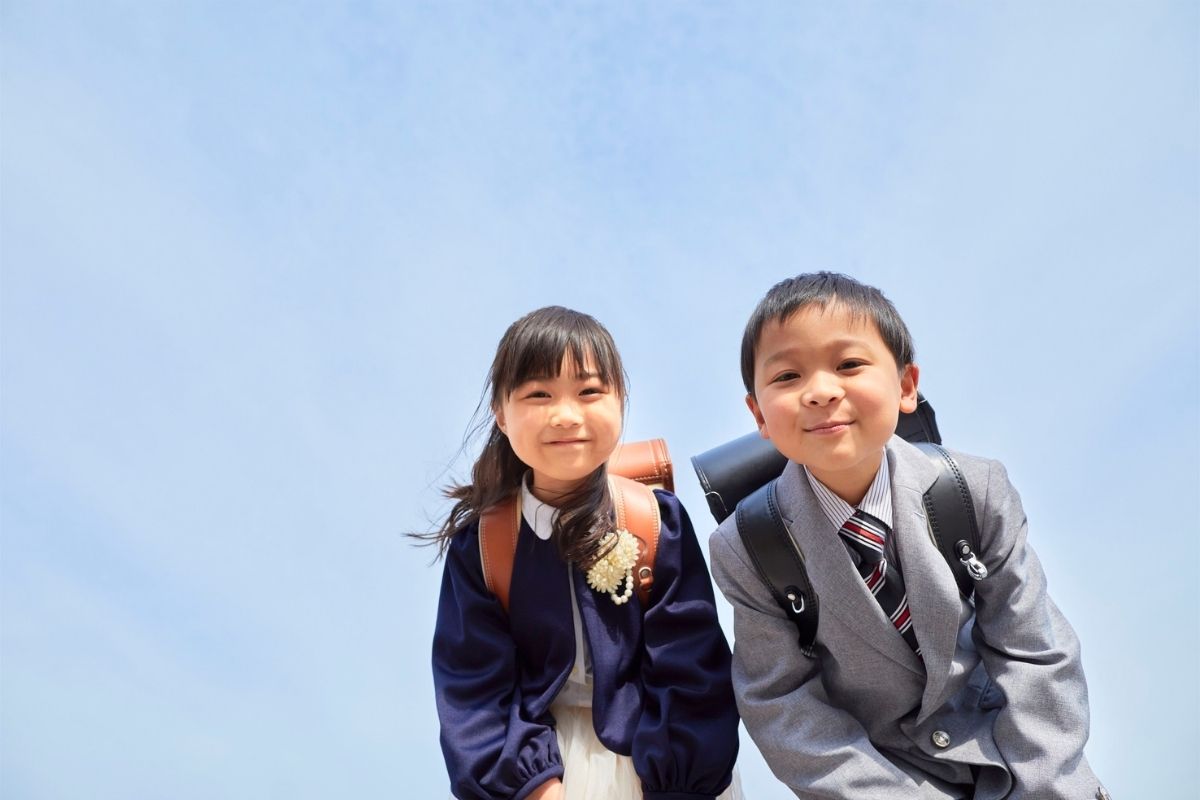
Understanding Safety, Independence, and Community in Everyday Japan
Introduction: What This Article Explains and Why It Matters
In many parts of Japan, it is common to see young elementary school children walking to school alone.
Sometimes they walk by themselves.
Sometimes in small groups.
And in cities, some even take buses or trains without their parents.
For people outside Japan, this often raises strong questions:
- “Isn’t that dangerous?”
- “Why don’t parents accompany them?”
- “Is this really safe—or just cultural negligence?”
This article clearly explains why Japanese children go to school alone, from the perspective of lived experience and cultural context.
In this article, you will learn:
- How Japanese parents gradually prepare children for independence
- Why many families feel this is safe enough, not perfectly safe
- How communities quietly support children’s daily commutes
- What children actually learn from walking to school
By the end, you will understand that this practice is not about ignoring danger—but about balancing trust, preparation, and shared responsibility.
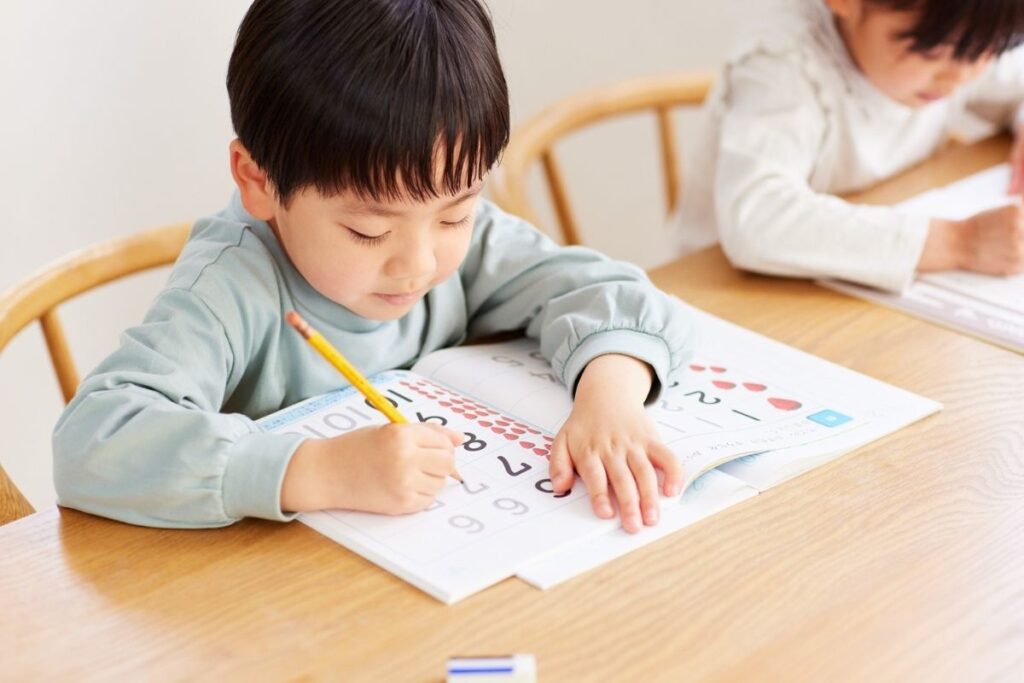
A Personal Experience: Walking to School as a Child and as a Parent
I grew up in Japan walking to school on my own.
From elementary school, I carried my randoseru backpack and walked more than 30 minutes each way.
At the time, this felt completely normal.
Years later, when I became a parent myself, my feelings changed.
When my own children entered elementary school, they also began going to school without me.
Japan felt safer back then than it does today—but even so, we did not rush.
At first, I walked with them until the school was visible.
Then only halfway.
Later, just to the corner near our home.
Each step was small, but intentional.
Every morning, my heart raced as I watched them walk away.
Children feel excitement.
Parents feel fear.
That gap is very real.
But gradually, both children and parents learn:
“You can do this.”
“And I can trust you to try.”
This gradual process—not sudden independence—is key.
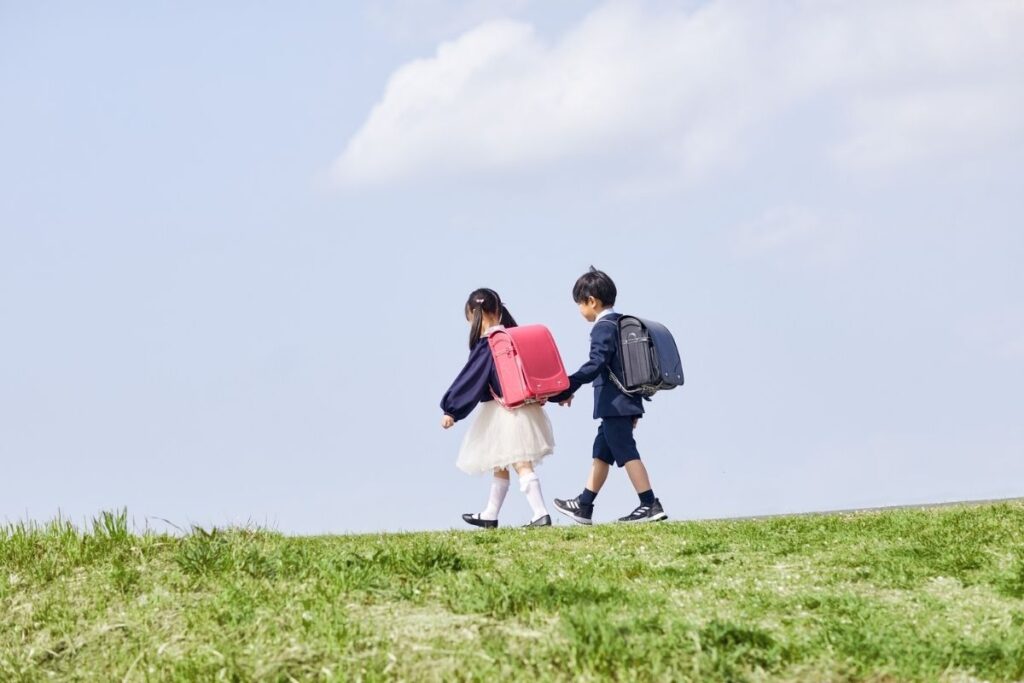
Why Japanese Parents Allow Children to Go Alone
Independence Is Learned Through Daily Experience
One major reason Japanese children walk to school alone is a shared belief:
Independence grows through experience, not instruction alone.
Parents see the daily commute as a chance for children to develop:
- awareness of surroundings
- responsibility for time and safety
- confidence in handling small problems
- emotional resilience
There is a well-known Japanese saying:
“Send your beloved child on a journey.”
This does not mean forcing hardship.
It means trusting children with manageable challenges, while adults quietly support them.
Nothing is forced.
If a child is anxious, older students often walk together with them until they feel ready.
Each child moves at their own pace.
Why Parents Feel It Is Safe Enough (Not Perfectly Safe)
Japan’s relatively low violent crime rate plays a role.
But safety does not come from statistics alone.
It comes from people.
Across Japan, adults actively watch over children:
- parents taking turns at crosswalks
- school staff standing near gates
- elderly volunteers greeting children every morning
I also took my turn standing at crosswalks.
And my father did the same—even in his seventies.
Not for his grandchildren, but for neighborhood children.
Bright vests. Yellow flags. Simple greetings like “Good morning.”
This quiet care has existed since my childhood.
And it still continues today.
This sense of “children belong to the community” is deeply rooted.
Designated Routes and Shared Awareness
Most schools assign official commuting routes called tsūgakuro.
These routes are carefully chosen to avoid heavy traffic and unsafe areas.
Before a child even starts school, parents submit a map of the child’s route.
If volunteers or residents notice danger, they report it to the school.
In some areas, children carry simple safety devices to confirm arrival.
This system creates a shared understanding:
A child’s safety is not only the family’s responsibility.
Cities Built for Walking and Watching
Japan’s urban design also supports this practice.
- Schools are usually within walking distance
- Neighborhoods are compact
- Public transportation is reliable and predictable
In large cities, children attending private schools may commute by train.
Seeing a small child in uniform riding alone may surprise visitors.
But Japanese adults notice.
And many quietly watch over them—without interfering or making the child uncomfortable.
This behavior reflects broader Japanese values around public behavior and consideration.
→ Internal Link: Why Japanese People Avoid Standing Out in Public
What Children Learn Outside the Classroom
The walk to school teaches lessons textbooks cannot.
Children learn:
- how to judge traffic and timing
- how to interact with strangers politely
- how to help younger children
- how to solve small problems calmly
Because of this, Japanese children often go to nearby parks with friends as well.
Parents may say, “Finish your homework first,” but children are still children.
They rush through homework together and run out to play.
There were small mishaps.
Once, an unfamiliar elderly woman called me to explain why my child would be home late.
At first, I panicked.
Then I felt deep gratitude.
This kind of quiet support cannot be measured—but it matters.
How This Practice Is Viewed Outside Japan

Overseas reactions vary widely:
- admiration
- disbelief
- concern
- criticism
All of these responses are understandable.
In countries where parents drive children everywhere or school buses are standard, this scene can feel alarming.
Japanese parents understand this difference.
And they do not believe their way is the only correct way.
A Culture That Is Gradually Changing
Japan is changing.
There are fewer children, more dual-income households, and rising safety concerns.
More parents now accompany their children, especially in urban areas.
Still, many families and schools continue to value independence—while adjusting carefully to modern realities.
Conclusion: Trust, Preparation, and Community Balance
So why do Japanese children go to school alone?
It is not because parents do not care.
And it is not because schools force them to.
It is the result of:
- gradual preparation
- trust built through daily routines
- and quiet community involvement
For many families, the walk to school is not just transportation.
It is a small, meaningful lesson in growing up—supported by many unseen hands.
FAQ: Common Questions from Parents Outside Japan
Q1. Is it really safe for Japanese children to go to school alone?
No place in the world is perfectly safe, including Japan.
Japanese parents do not believe their children are “completely protected.”
Instead, they believe that with preparation, community support, and gradual independence, the level of risk is acceptable.
Children are taught traffic rules, emergency responses, and what to do if something feels wrong.
Schools design safe commuting routes, and adults in the neighborhood actively watch over children.
Safety is treated as a shared effort, not a guarantee.
Q2. At what age do Japanese children start going to school alone?
Most children begin in first grade of elementary school, around six or seven years old.
However, this is not a strict rule.
Some children walk with parents for weeks or months.
Others walk with older students until they feel confident.
The timing depends on:
- the child’s personality
- distance to school
- traffic conditions
- family comfort level
Gradual adjustment is far more important than age.
Q3. What if a child feels scared or anxious?
Feeling anxious is normal—and taken seriously.
If a child is scared:
- parents walk with them temporarily
- older students accompany them
- teachers and staff provide reassurance
Children are never forced to go alone before they are ready.
Independence in Japan is taught gently, not through pressure.
Q4. Are parents legally required to let children go alone?
No.
There is no law requiring children to commute alone.
Parents are free to walk with their children if they choose.
Many families do, especially in busy urban areas or when children are very young.
The practice continues because many parents feel it is beneficial—not because it is mandatory.
Q5. What about stranger danger?
Japanese children are taught clear rules:
- do not follow strangers
- do not accept gifts
- go to designated safe places if lost
- seek help from uniformed staff or nearby shops
Communities also participate in “safe house” programs, where shops and homes display signs indicating children can ask for help.
Stranger danger is not ignored—it is addressed through education and awareness.
Q6. Why don’t schools provide buses like in other countries?
Japanese cities are generally compact, and schools are built close to residential areas.
Because of this, walking is often more practical than buses.
In rural areas or for special needs, buses do exist.
The absence of buses is not neglect—it reflects urban design and proximity.
Q7. Would this system work in other countries?
Not automatically.
This system depends on:
- walkable neighborhoods
- community involvement
- social norms around public behavior
Without these conditions, simply copying the practice would not be safe.
Japanese parents understand that what works in Japan may not work everywhere.
Q8. Is this practice changing in modern Japan?
Yes.
More parents now accompany their children due to:
- changing work patterns
- increased safety concerns
- fewer children in neighborhoods
Japan is adapting while still valuing gradual independence.
Both approaches now coexist.
Why This FAQ Matters for Understanding Japan
These questions reflect genuine concerns—not ignorance.
By answering them directly, we can better understand that Japanese children going to school alone is not about being careless.
It is about:
- trust built through preparation
- quiet cooperation within communities
- and teaching responsibility step by step
Understanding this context helps avoid oversimplified judgments—and allows cultural differences to be seen with clarity and respect.

[English] A local insider born in Nagasaki, educated in the U.S., and now based in the Kanto region. After a career in finance and publishing in Tokyo, I now explore the “Why” behind Japanese culture and hidden regional gems. My mission is to help you discover the authentic heart of Japan beyond the tourist crowds.
[한국어] 나카사키 출생, 미국 유학을 거쳐 도쿄 금융권 및 편집자로 활동한 현지인 에디터입니다. 현재 관동 지역에 거주하며 후쿠오카를 비롯한 일본 전역의 ‘진짜’ 매력과 독특한 문화 이야기를 전합니다. 여러분의 여행이 더욱 깊어지는 길잡이가 되겠습니다.