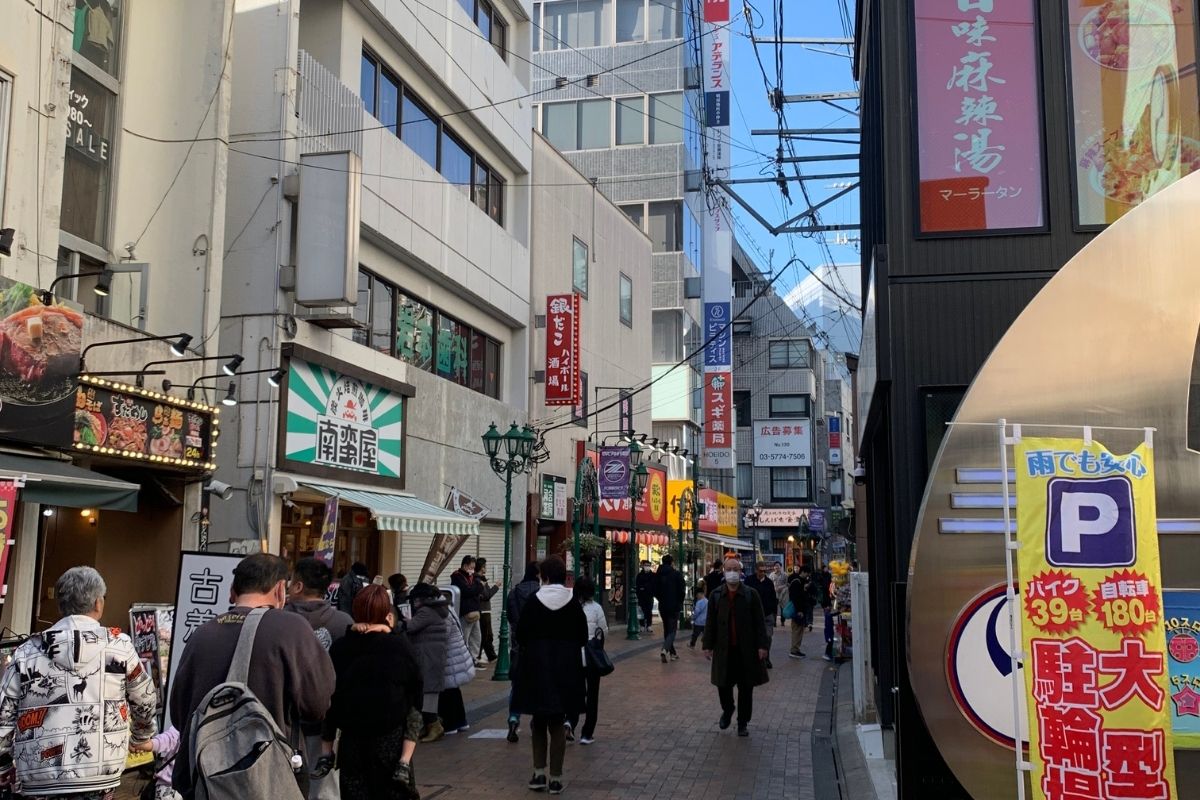
Understanding Responsibility, Habit, and Shared Space in Japan
Introduction: What This Article Will Explain
Visitors to Japan often say the same thing:
“There are no trash cans—so why isn’t there any trash?”
Photos of clean streets, Japanese fans cleaning stadiums after sports events,
and tidy convenience store areas late at night frequently appear in overseas media.
In many countries, fewer trash cans usually mean more litter.
But in Japan, the opposite seems to happen.
This article explains why Japanese streets remain clean even without many trash cans, focusing on everyday habits, cultural values, and personal experience—not strict rules or punishment.
In this article, you will learn:
- Why Japanese people take trash home instead of looking for a bin
- How school education shapes lifelong cleaning habits
- How public space is viewed differently in Japan
- Why cleanliness continues without constant enforcement
By the end, you will understand that cleanliness in Japan is not accidental—it is a shared mindset practiced quietly every day.
“Trash Is My Responsibility”: A Common Way of Thinking
In Japan, many people grow up with a simple idea:
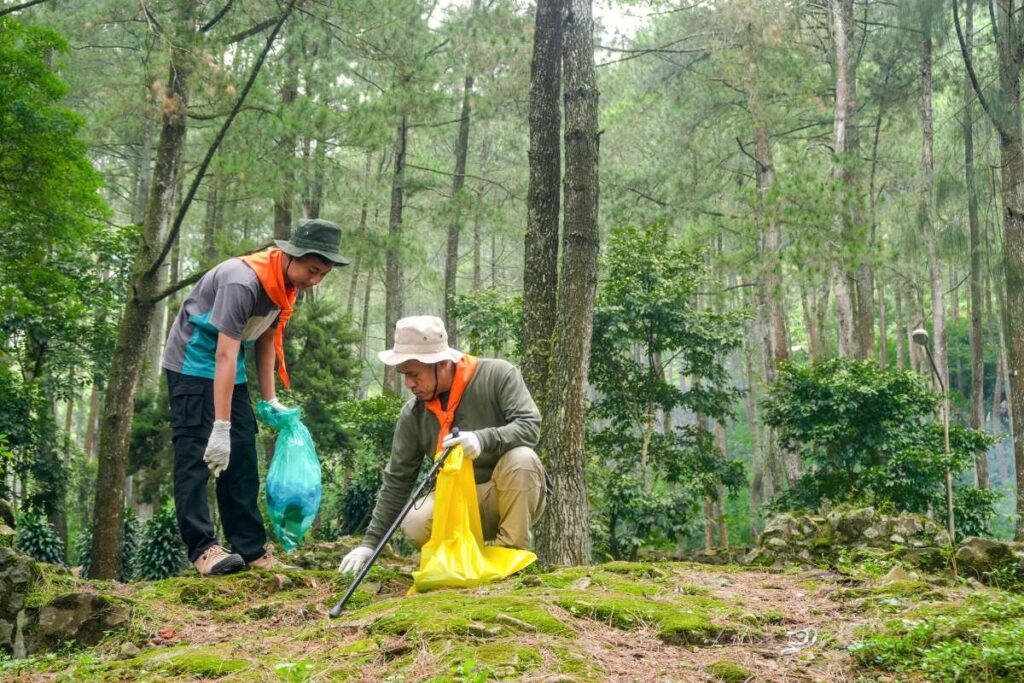
Trash is your responsibility until the very end.
If you buy a drink, the empty bottle is yours.
If you eat a snack outside, the wrapper stays with you.
It does not disappear the moment it leaves your hand.
That is why, even when there is no trash can nearby, many people simply put their trash in their bag and take it home.
I do this myself.
I always carry a small plastic bag in my purse just for trash.
It does not feel inconvenient.
It feels normal.
When I travel abroad, I sometimes see trash cans overflowing.
And I notice how easily responsibility shifts to:
- “Someone will clean it.”
- “It’s already dirty.”
Personally, I do not want to be the reason a public place becomes dirty.
That feeling alone changes behavior.
Learning Cleanliness at School: Habit, Not Rules
One major reason this mindset is so strong is school education.
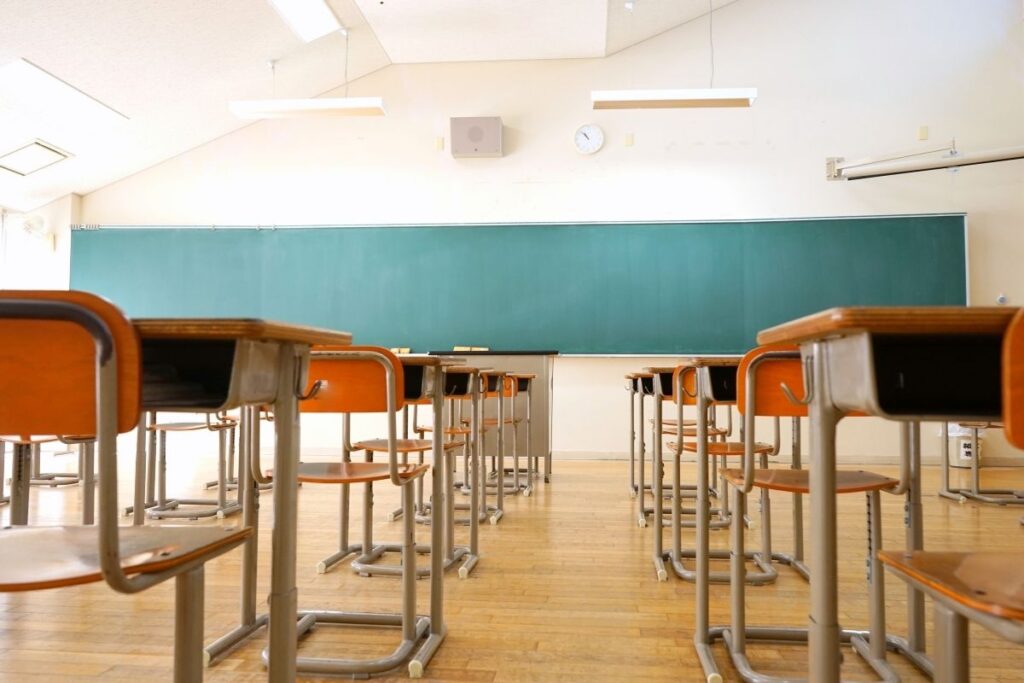
In Japan, children clean their own classrooms every day.
They sweep floors.
They wipe desks.
They clean toilets and shared spaces together.
There is no cleaning staff doing this daily work for them.
Because of this, children learn early:
- spaces get dirty because people use them
- cleaning is part of using a place responsibly
- dirt does not “belong” to someone else
This daily repetition builds habits that last into adulthood.
Cleanliness becomes automatic—not something enforced.
Public Space as “Everyone’s Place,” Not “No One’s Place”
In Japan, public spaces are often felt as places shared by everyone.
If I dirty the street, someone else must walk through it.
If I leave trash at a station, the next person feels uncomfortable.
This creates quiet self-restraint:
“I should not make this place unpleasant for others.”
It is similar to how people behave in someone else’s home.
This way of thinking also connects to broader Japanese behavior in public spaces.
→ Internal Link: Why Japanese People Avoid Standing Out in Public
Cleaning as Courtesy, Not Just a Job
Japan certainly has professional cleaners.
But at the same time, many people believe:
Cleaning is a form of courtesy.
This is why:
- students clean their schools
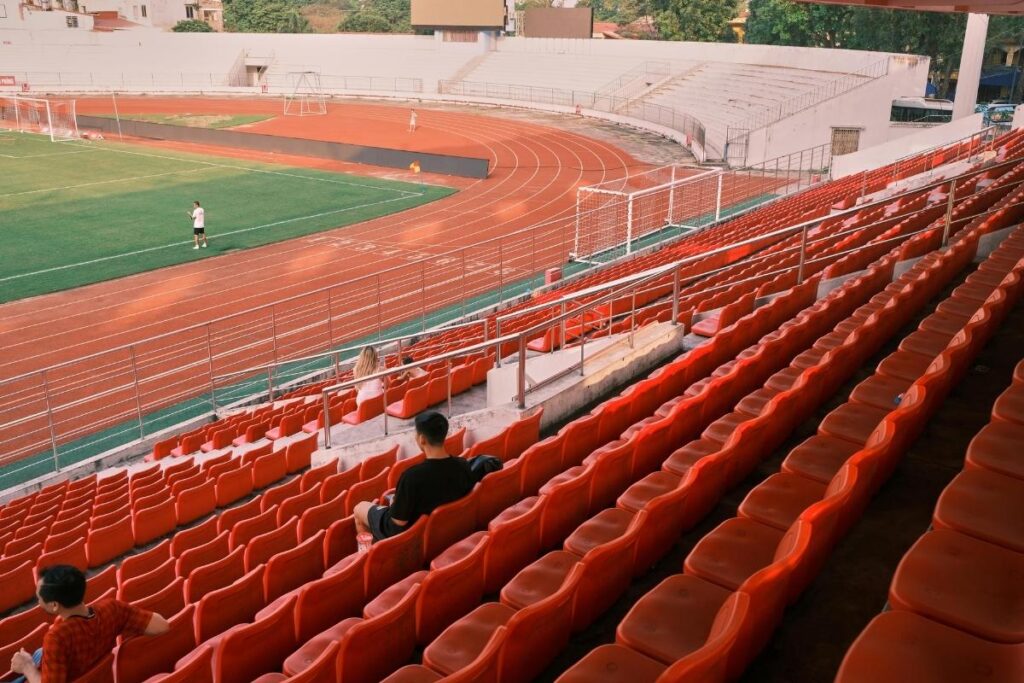
- fans clean stadiums after games
- public areas remain surprisingly tidy
The thought is not:
“Someone will clean this later.”
It is:
“I should not leave this behind.”
This attitude often surprises people overseas.
When Japanese supporters clean stadiums, some say it looks “disciplined” or “too obedient.”
For many Japanese people, it feels ordinary.
You used the space.
You clean it.
You leave it ready for the next person.
That is all.
Why There Are So Few Trash Cans
Japan used to have more public trash cans.
After the 1990s, many were removed—especially in stations and busy areas—mainly for security reasons.
Yet the streets did not become dirtier.
By that time, the habit of taking trash home was already deeply rooted.
Of course, many people—including myself—sometimes wish there were more trash cans.
But personally, I would rather carry my trash home than see bins overflowing everywhere.
Japan Is Not Perfect — But Habits Matter
Japan is not perfect.
Trash exists.
Rules are broken.
Not everyone behaves the same way.
Still, overall cleanliness is supported not by punishment or surveillance, but by habit and social awareness.
There is also a cultural sense of shame—not fear, but self-reflection.
There is an old Japanese idea that says:
“You can tell how someone was raised by how they treat shared spaces.”
Behaving badly in public does not only feel embarrassing.
It feels like disappointing yourself.
Some Japanese people even say:
“Cleaning the toilet cleans the heart.”
It may sound simple, but the idea is deep:
Taking care of what others avoid also polishes your own character.
And honestly—being in a clean place simply feels good.
Why This Feels Strange Outside Japan
In many countries, cleanliness depends heavily on infrastructure:
- trash cans
- cleaning staff
- enforcement
Japan relies more on internalized habits and self-restraint.
Neither approach is right or wrong.
They are simply different answers to the same question:
Who is responsible for shared space?
Conclusion: Clean Streets Without Being Told
Japanese streets are not clean because people are perfect.
They are clean because many people quietly believe:
“What I bring here, I take responsibility for.”
That small, unspoken mindset—
more than signs, rules, or trash cans—
is likely the real reason Japanese streets stay clean.
FAQ: Common Questions from Readers Outside Japan
Q1. Isn’t it inconvenient to carry your trash around all day?
Yes, sometimes it is.
Many Japanese people—including myself—occasionally wish there were more trash cans, especially when buying drinks or snacks while walking.
However, most people adapt by:
- carrying a small bag for trash
- choosing what to buy based on when they can dispose of it
- simply taking trash home
Because this habit is learned early, it rarely feels stressful.
The inconvenience is usually considered less unpleasant than seeing public spaces become dirty.
Q2. Wouldn’t more trash cans solve the problem more easily?
More trash cans can help—but they also require constant maintenance.
In some countries, trash cans overflow or attract illegal dumping.
In Japan, many trash cans were removed in the past for security reasons, yet streets remained clean because habits were already established.
Cleanliness here depends less on infrastructure and more on personal responsibility.
Q3. What about tourists who don’t know this custom?
Tourists often struggle at first—and that is understandable.
Many Japanese people recognize this and do not expect visitors to know everything.
Recently, more multilingual signs and temporary trash bins have been introduced in tourist areas.
That said, Japan’s system works best when people observe their surroundings and adjust behavior gradually—rather than relying only on instructions.
Q4. Isn’t this just social pressure or fear of shame?
Social awareness does play a role, but it is not only fear-based.
For many people, the feeling is internal:
“I don’t want to be the person who makes this place unpleasant.”
It is closer to courtesy than fear.
People clean not because someone is watching, but because they care about the atmosphere they leave behind.
Q5. Do Japanese people ever litter?
Yes.
Japan is not perfect.
There are people who litter, ignore rules, or act selfishly.
The difference is that such behavior is socially discouraged and less normalized.
Cleanliness is maintained not because everyone behaves well—but because most people do, most of the time.
Q6. Is this connected to Japanese ideas about politeness?
Very much so.
Keeping shared spaces clean is often seen as part of being polite and considerate.
This mindset is closely linked to other Japanese public behaviors.
→ Internal Link: Why Japanese People Say “Sorry” So Often
Q7. Would this system work in other countries?
Not automatically.
Japan’s cleanliness depends on:
- habits learned from childhood
- school cleaning culture
- shared expectations in public spaces
Without these conditions, removing trash cans alone would likely increase litter.
Japanese people generally understand that what works in Japan may not work elsewhere.
Q8. Why do Japanese fans clean stadiums even overseas?
Many Japanese people feel they represent their country when abroad.
Leaving a mess can feel embarrassing—not because of punishment, but because of responsibility.
Cleaning up after an event is a way of showing respect to:
- the host country
- the next users of the space
- and themselves
This behavior reflects everyday habits rather than special discipline.
Why This FAQ Helps Explain Japanese Cleanliness
These questions reflect genuine confusion—not ignorance.
By addressing them directly, it becomes clear that Japan’s clean streets are not the result of strict control or perfection.
They are the result of:
- small daily habits
- shared expectations
- and quiet personal choices
Understanding this context helps visitors and readers see Japanese cleanliness not as something mysterious—but as something human.

[English] A local insider born in Nagasaki, educated in the U.S., and now based in the Kanto region. After a career in finance and publishing in Tokyo, I now explore the “Why” behind Japanese culture and hidden regional gems. My mission is to help you discover the authentic heart of Japan beyond the tourist crowds.
[한국어] 나카사키 출생, 미국 유학을 거쳐 도쿄 금융권 및 편집자로 활동한 현지인 에디터입니다. 현재 관동 지역에 거주하며 후쿠오카를 비롯한 일본 전역의 ‘진짜’ 매력과 독특한 문화 이야기를 전합니다. 여러분의 여행이 더욱 깊어지는 길잡이가 되겠습니다.
I was able to find good info from your content.