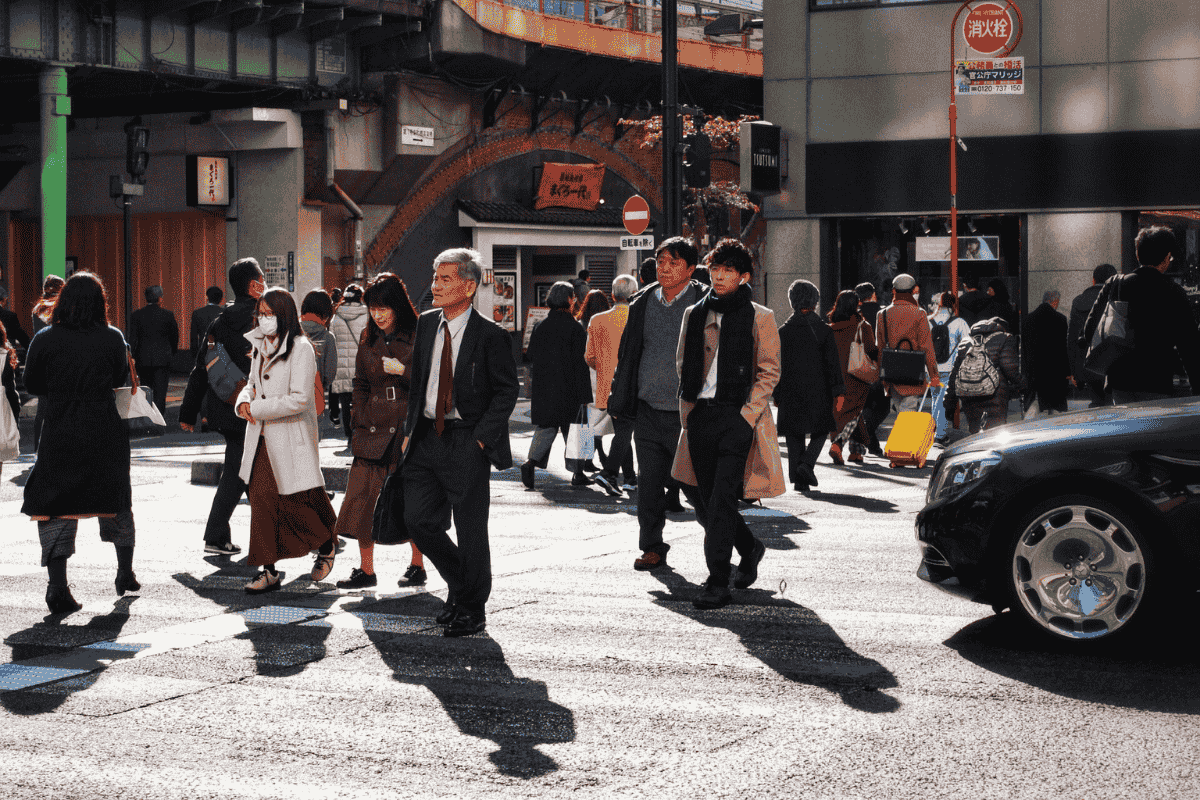
Many visitors to Japan are surprised by how often people say sumimasen.
It may sound like constant apologizing, but this article explains why sumimasen is not always an apology—and what it really communicates in Japanese daily life.
Understanding this word can help visitors avoid misunderstandings and feel more comfortable interacting with people in Japan.
A Small Curiosity You May Notice in Japan
If you spend some time in Japan, you may notice something curious very quickly.
People say “sorry” — sumimasen — all the time.
You hear it in shops, on trains, at work, and even in situations where no one seems to have done anything wrong.
Many visitors eventually ask the same question:
“Why do Japanese people apologize so much?”
At first, this habit can feel confusing.
Sometimes, it may even sound unnecessary or excessive.
How I Came to See This Differently
As someone who was born and raised in Japan, this way of speaking always felt natural to me.
However, after living abroad, I began to see it from a different angle.
In English, the word “sorry” usually means a clear apology — admitting fault or responsibility.
In Japanese, however, sumimasen does not always mean that.
In everyday life in Japan, people often use sumimasen before any real problem happens.
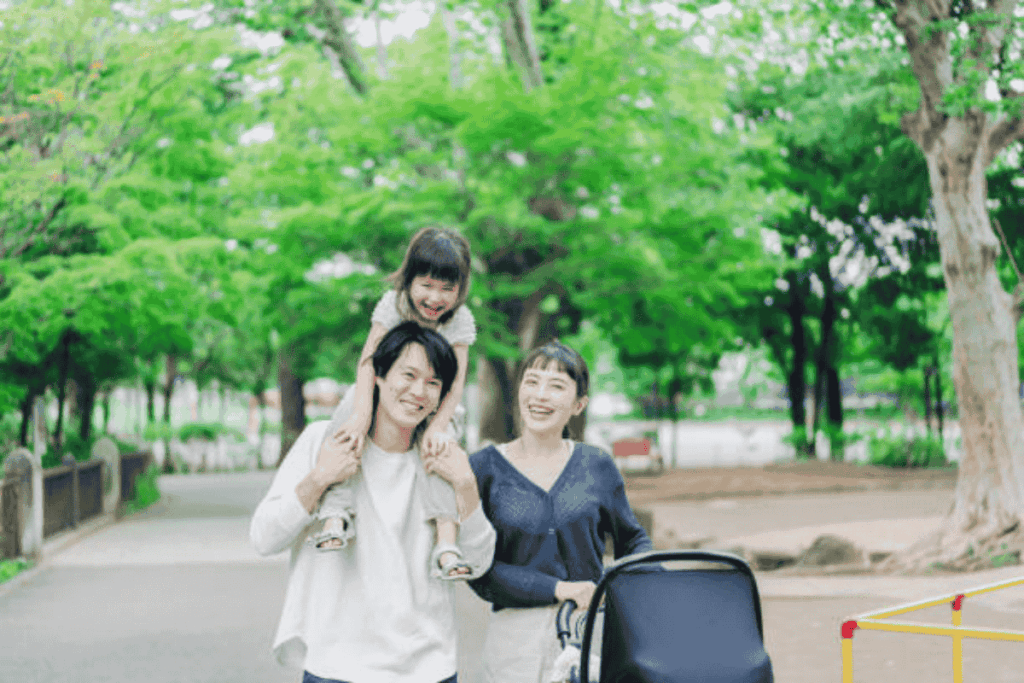
There is a phrase many Japanese parents say to their children:
“Try not to cause trouble for others.”
This simple idea sits at the heart of Japanese communication.
Rather than fixing problems afterward, people try to prevent discomfort from happening at all.

What Sumimasen Really Means in Daily Life
In Japan, sumimasen can quietly mean:
- “I don’t want to trouble you”
- “Thank you for your effort”
- “I respect your space”
- “Excuse me for existing in this moment”
It is less about guilt and more about consideration.
This mindset becomes especially important in crowded places like trains or busy streets.
👉 You may notice the same idea behind behaviors explained in
Why Japanese People Help Strangers Even When It Takes Time.
Harmony and Human Relationships in Japan
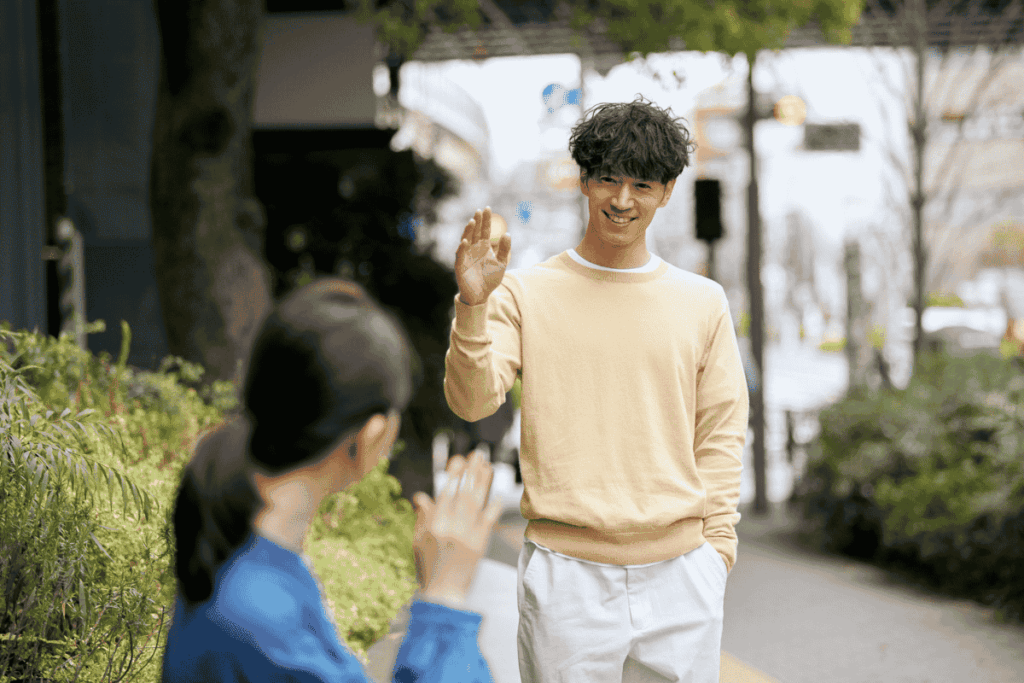
Japanese society places great importance on harmony, known as wa.
There is a famous phrase:
Wa o motte tōtoshi to nasu
Harmony should be valued above all.
From a young age, people learn to read the atmosphere and act in ways that keep shared spaces calm.
Saying sumimasen is one tool for maintaining that balance.
It does not mean Japanese people have no opinions or feelings.
Rather, they often choose words that soften interactions and protect relationships.
A Difference Between Japanese and Western Communication
In many Western cultures, clarity and directness are valued.
“Sorry” is typically used only when someone believes they are clearly at fault.
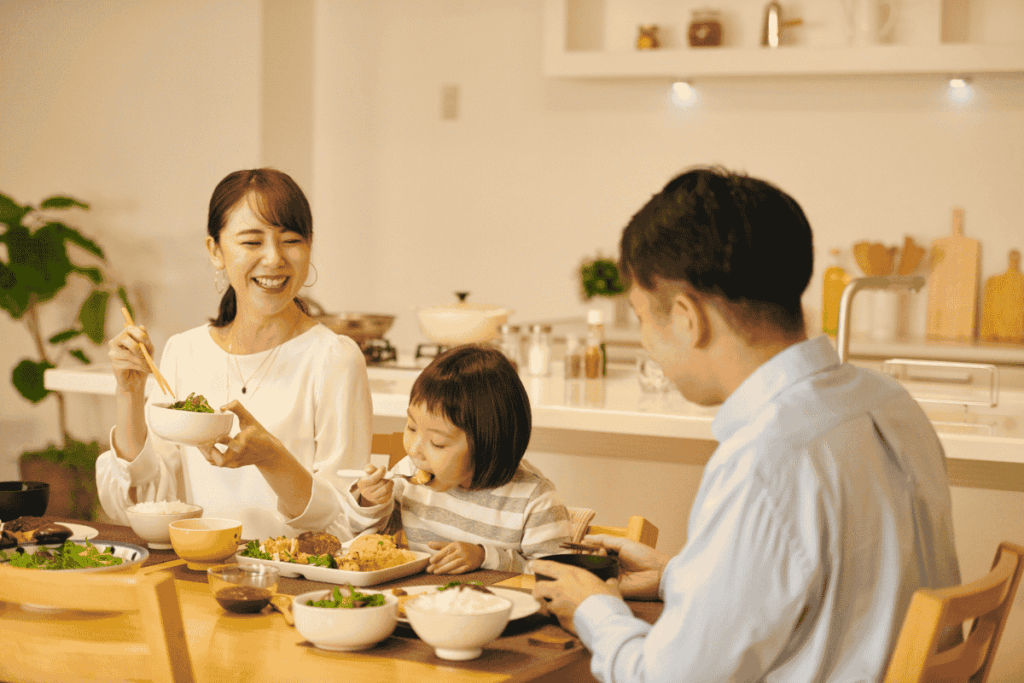
Because of this difference, Japanese communication can sometimes feel vague or overly apologetic to visitors.
But neither style is right or wrong.
They reflect different cultural priorities:
- Western cultures: clarity, individual expression
- Japanese culture: atmosphere, shared comfort
Understanding this difference can make daily interactions in Japan feel much more relaxed.
A Gentle Message for Visitors to Japan
If you hear sumimasen many times during your stay in Japan, there is no need to feel uncomfortable.
In most cases, it is not an apology in the way you might expect.
It is simply a small signal of care —
a quiet way of saying:
“I see you.”
“Let’s make this moment go smoothly.”
If this article helps you feel calmer or more curious about Japanese daily life,
then it has done exactly what it was meant to do.
👉 To explore similar everyday questions, you may enjoy starting here:
Why Japan Is Like This: A Japanese Woman’s View of Everyday Life
Sumimasen is not about guilt—it is about awareness.
Once you understand this, the word stops feeling heavy.
Instead, it becomes a small bridge of kindness between people sharing the same space.


[English] A local insider born in Nagasaki, educated in the U.S., and now based in the Kanto region. After a career in finance and publishing in Tokyo, I now explore the “Why” behind Japanese culture and hidden regional gems. My mission is to help you discover the authentic heart of Japan beyond the tourist crowds.
[한국어] 나카사키 출생, 미국 유학을 거쳐 도쿄 금융권 및 편집자로 활동한 현지인 에디터입니다. 현재 관동 지역에 거주하며 후쿠오카를 비롯한 일본 전역의 ‘진짜’ 매력과 독특한 문화 이야기를 전합니다. 여러분의 여행이 더욱 깊어지는 길잡이가 되겠습니다.