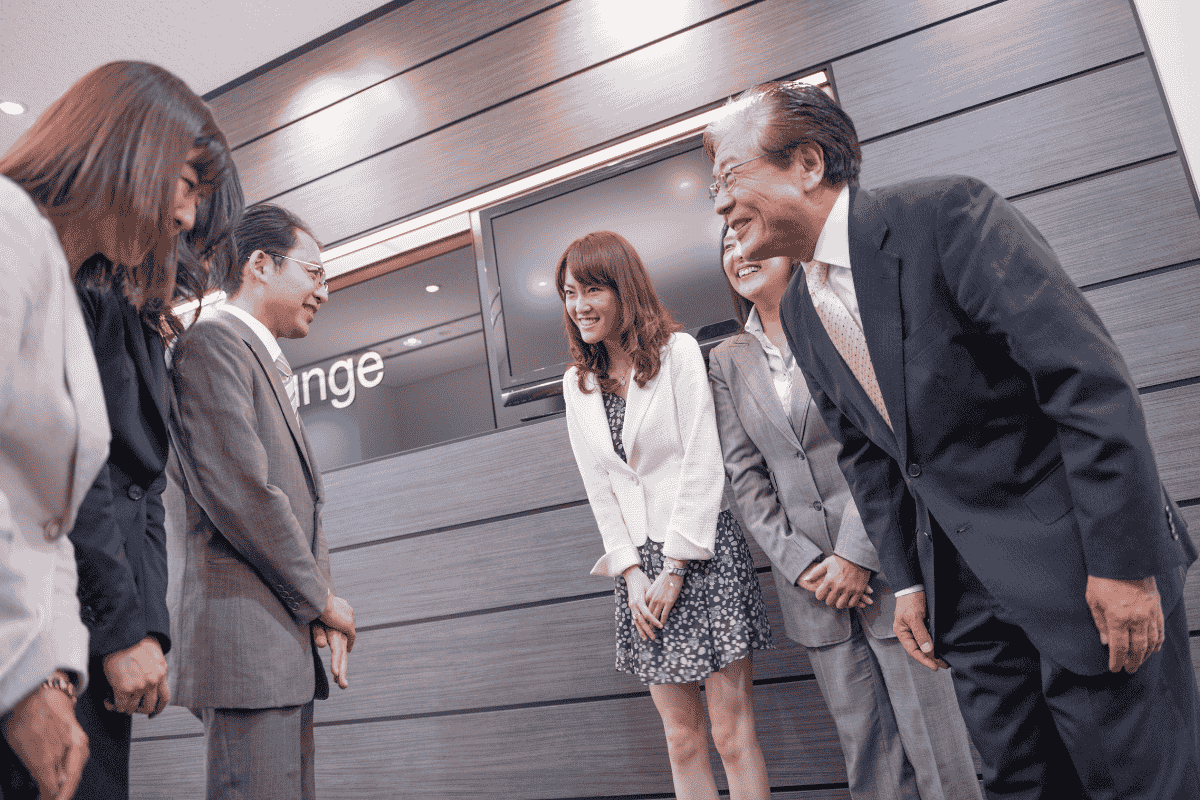
In many countries, a handshake is a natural way to greet someone.
In Japan, however, people bow—even in situations where no words are exchanged.
This article explains why bowing is more than a greeting, and how it reflects Japanese ideas about respect, distance, and emotional balance.
Why You Notice Bowing Everywhere in Japan
When you spend some time in Japan, you may quickly notice something interesting.
Instead of shaking hands, people bow.
You see bowing in shops, offices, schools, and even on the street.
For visitors used to handshakes or hugs, this custom can feel unfamiliar at first.
In Japan, bowing is not just a greeting.
It is a quiet language that expresses respect, gratitude, apology, and awareness of others.
The meaning changes depending on the situation:
- A small nod feels casual and friendly
- A deeper bow shows sincerity or respect
- A longer bow often appears in formal or serious moments
The Cultural Background Behind Bowing
To understand bowing, it helps to look at Japanese values.
Japanese society places strong importance on harmony, known as wa.
This idea emphasizes peaceful relationships and avoiding unnecessary friction.
Bowing is a simple way to acknowledge another person’s presence and role without interrupting the flow of interaction.
👉 This same value can be seen in everyday language, such as frequent apologies explained in
Why Japanese People Say “Sorry” So Often: The Meaning of Sumimasen.
Rather than standing out, people often try to adjust themselves gently to the situation.
Bowing in Everyday Life
Bowing appears naturally in many daily situations:
- Customers bow to staff, and staff return the gesture
- Office workers bow when entering a meeting room
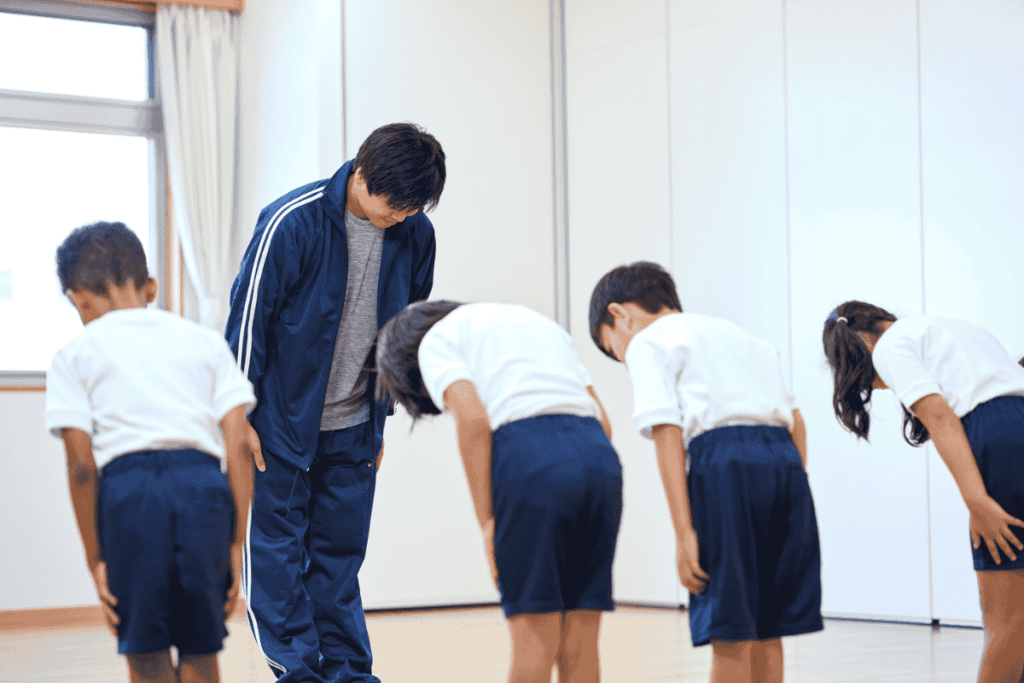
- Students bow to teachers and sometimes to classmates
- People lightly bow when thanking someone at a restaurant
Bowing does not mean weakness or submission.
Instead, it shows thoughtfulness —
a way of saying, “I respect this shared space.”
This quiet mutual understanding helps interactions stay calm and smooth, especially in crowded environments.
A Historical Note: Where Bowing Comes From
Historically, bowing in Japan began as a way to show non-aggression.
Lowering one’s head meant showing that you were unarmed and posed no threat.
During the samurai era, bowing became more formalized as a sign of rank, discipline, and respect.
Over time, it moved beyond status and became part of everyday manners.
Today, most people bow without thinking — it is simply part of daily life.
You may even notice Japanese people lightly bowing while talking on the phone,
even though the other person cannot see them.
This often becomes a lighthearted joke, but it shows how deeply ingrained the habit is.
Tips for Visitors to Japan
If you are visiting Japan, there is no need to feel nervous about bowing.
Here are a few simple tips:
- You do not need to bow deeply — a small nod is enough
- Combining a handshake with a light bow is perfectly acceptable
- In business settings, deeper bows may appear, especially toward senior people
- Japanese people usually adjust their behavior to match yours
What matters is not perfection, but intention.
More Than a Gesture
Understanding bowing can make your time in Japan more comfortable and meaningful.
It is one example of the quiet kindness found in everyday life here.
👉 You may notice a similar mindset in how people help strangers, even at personal inconvenience:
Why Japanese People Help Others Even When It Takes Time
Bowing is not about rules.
It is about awareness.
A Gentle Message From Me
From the outside, Japanese greetings may seem formal or unnecessary.
Some people in Japan today even question whether such customs are still needed.
As a Japanese woman, I personally feel that bowing is a beautiful part of our culture.
It allows people to show care without words.
You do not need to change your own habits when visiting Japan.
But by observing and understanding different customs,
you may find deeper connections — and a quieter kind of harmony — in everyday moments.
Bowing does not require physical closeness, yet it communicates care.
By understanding why bows matter, visitors can better read social situations in Japan—and feel less pressure to “do it perfectly.”

[English] A local insider born in Nagasaki, educated in the U.S., and now based in the Kanto region. After a career in finance and publishing in Tokyo, I now explore the “Why” behind Japanese culture and hidden regional gems. My mission is to help you discover the authentic heart of Japan beyond the tourist crowds.
[한국어] 나카사키 출생, 미국 유학을 거쳐 도쿄 금융권 및 편집자로 활동한 현지인 에디터입니다. 현재 관동 지역에 거주하며 후쿠오카를 비롯한 일본 전역의 ‘진짜’ 매력과 독특한 문화 이야기를 전합니다. 여러분의 여행이 더욱 깊어지는 길잡이가 되겠습니다.