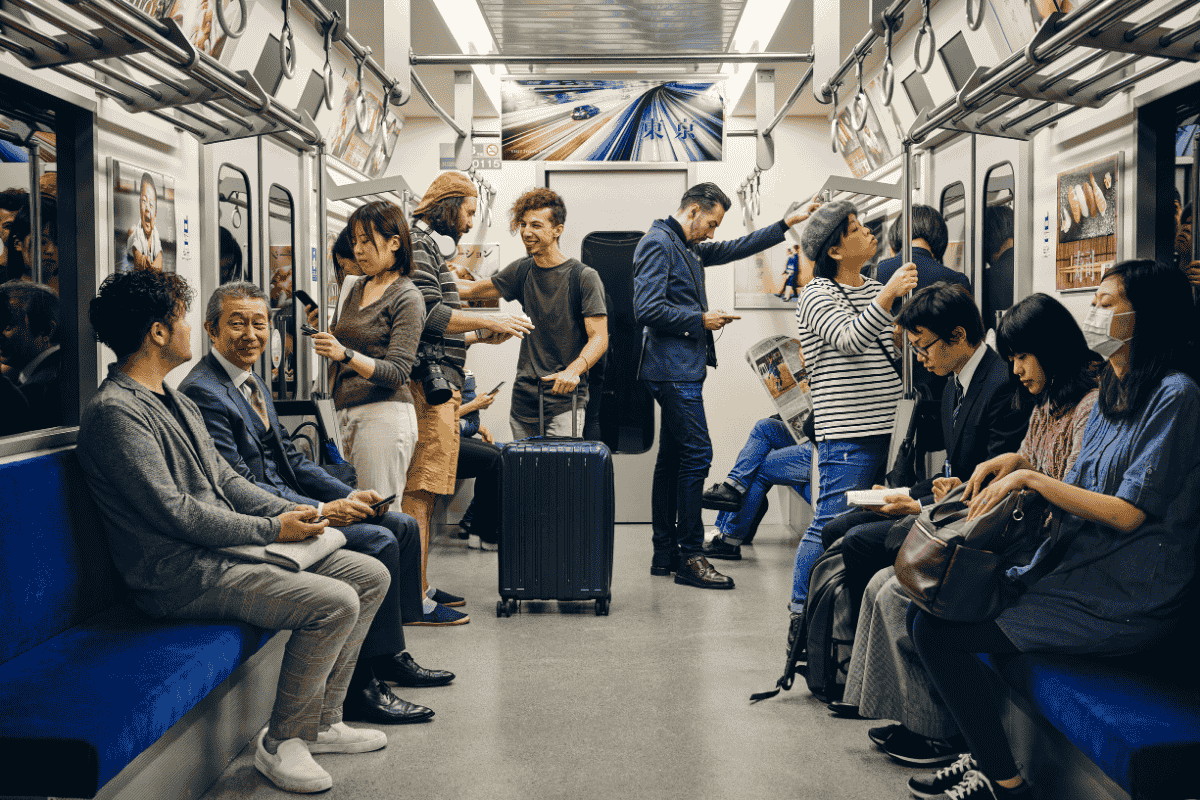
Many first-time visitors notice how quiet public spaces in Japan feel.
Trains, buses, and waiting rooms are calm in ways that can feel surprising—or even uncomfortable.
This article explores why silence is valued in shared spaces and how it helps people coexist comfortably in crowded cities.
Why Are Trains So Quiet in Japan?
Many visitors notice it almost immediately.
Japanese trains are surprisingly quiet.
Even during rush hour, conversations are soft.
Phone calls are avoided.
People sit close together, yet the atmosphere feels calm.
For travelers used to lively public transportation, this silence can feel unusual —
sometimes even uncomfortable.
Some visitors worry they might be doing something wrong just by speaking.
However, this quietness is not created by fear or strict enforcement.
It comes from a shared sense of consideration for others.
Silence as a Form of Consideration
In Japan, silence is often a form of kindness.
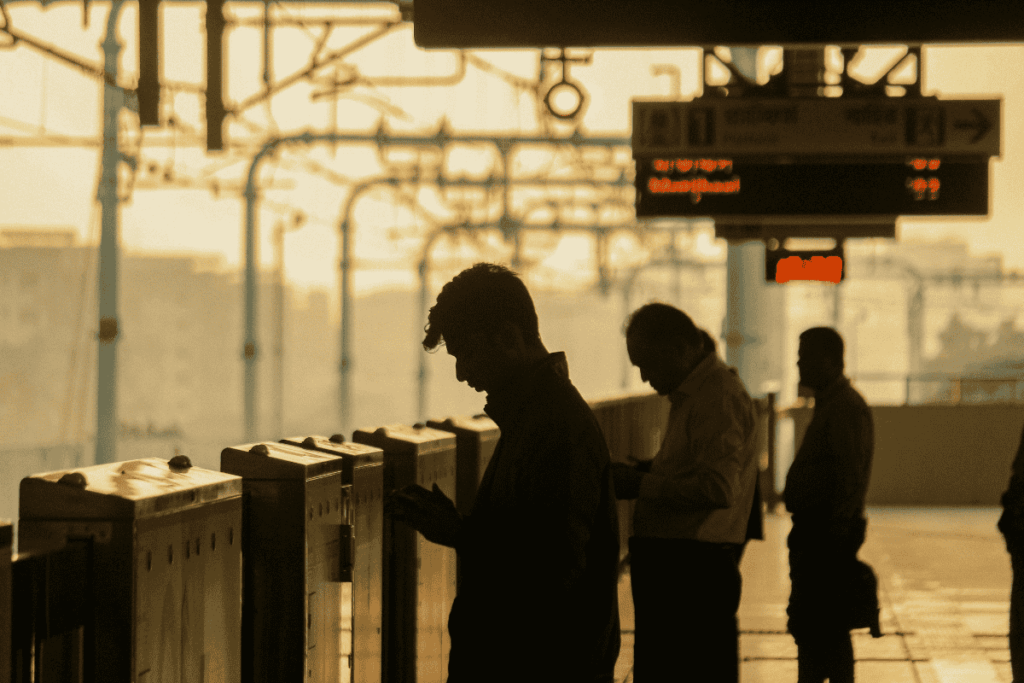
Public spaces such as trains, buses, and elevators are shared by many people with different needs and emotions.
By choosing to stay quiet, people are quietly saying:
- “I am aware of the people around me.”
- “I don’t want to disturb your time or thoughts.”
This mindset is deeply connected to the Japanese value of wa — harmony.
👉 You may notice the same idea behind frequent apologies, explained in
Why Japanese People Say “Sorry” So Often: The Meaning of Sumimasen.
Rather than expressing themselves loudly, people often prioritize maintaining a comfortable atmosphere for everyone.
When Quiet Culture Feels Challenged
In recent years, as international travel to Japan has increased,
there have been moments when this quiet culture feels challenged.
Occasionally, behavior that may feel playful or normal elsewhere —
such as loud performances, filming stunts, or shouting for social media —
can feel unsafe or stressful in crowded trains.
For many Japanese people, trains are not places for entertainment.
They are spaces to:
- Rest after long workdays
- Think quietly
- Commute safely
- Mentally prepare for the next part of the day
When these shared expectations are disrupted, people often feel confusion or sadness rather than anger.
It is not about blaming individuals,
but about protecting a space that millions rely on every day.
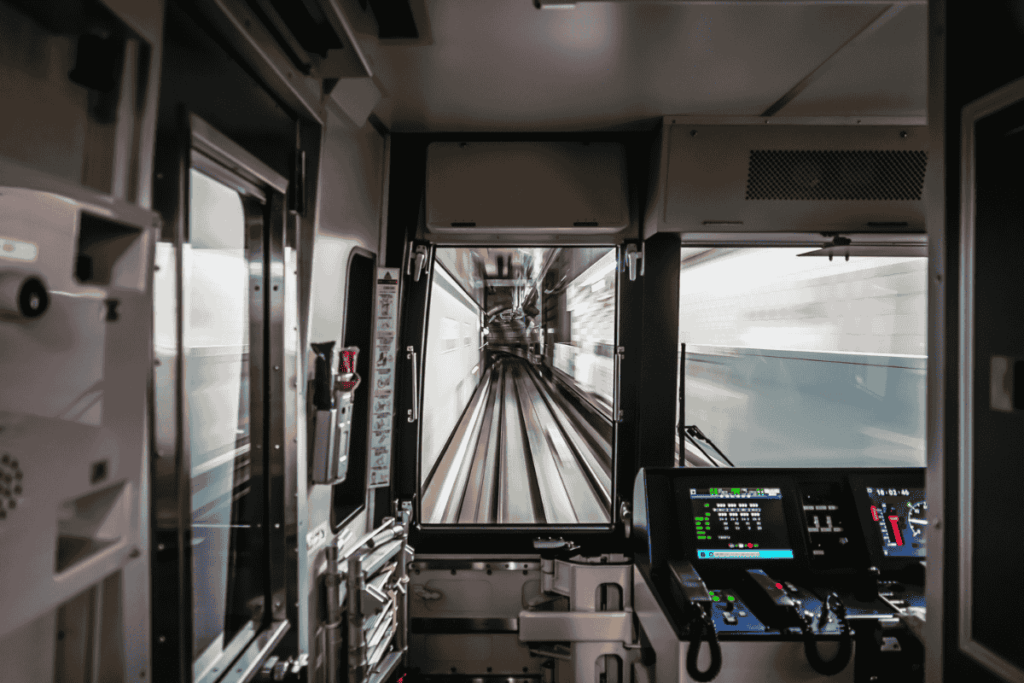
Quiet Manners in Daily Life
This awareness extends beyond trains into everyday public life:
- Phones are usually set to silent mode
- Loud conversations are avoided in cafés and restaurants
- People line up calmly and patiently
These habits are not enforced by constant rules.
They are learned gradually — at home, at school, and through observation.
Children grow up watching how adults behave and naturally absorb these manners.
👉 This same learning process appears in how children navigate society independently, as explained in
Why Japanese Children Go to School Alone.
Are Japanese People Quiet by Nature?
Japanese people are not silent by nature.
They enjoy talking, laughing, and spending time with friends just like anyone else.
The difference is where that expression happens.
Homes, restaurants, parks, and private spaces are often lively and warm.
Public transportation, however, is treated as a shared resting space.
Because of this difference, Japanese people are sometimes described as shy or distant.
But in reality, many are kind, curious, and quick to help —
especially when someone looks lost or confused.
Why This Feels Strange to Visitors
In many cultures, public spaces are places for open social interaction.
Silence can feel cold or unfriendly.
Once visitors understand the intention behind Japanese quietness,
many begin to see it differently.
It is not a lack of interest.
It is a quiet way of saying:
“Please feel comfortable.”
“I respect your personal space.”
A Gentle Message From Me
When you ride a quiet train in Japan, there is no need to feel nervous.
You do not need to perfectly imitate local behavior.
Simply lowering your voice is more than enough.
This quiet culture is one way Japanese society shows care for others.
It allows people to rest, read, think, or simply exist peacefully together.
At first, it may feel unfamiliar.
But for many visitors, it becomes a memorable part of their journey —
a calm moment that stays with them long after leaving Japan.
Silence in Japan is not emptiness—it is consideration.
Recognizing this can turn an unfamiliar quiet into a moment of calm, rather than confusion.

[English] A local insider born in Nagasaki, educated in the U.S., and now based in the Kanto region. After a career in finance and publishing in Tokyo, I now explore the “Why” behind Japanese culture and hidden regional gems. My mission is to help you discover the authentic heart of Japan beyond the tourist crowds.
[한국어] 나카사키 출생, 미국 유학을 거쳐 도쿄 금융권 및 편집자로 활동한 현지인 에디터입니다. 현재 관동 지역에 거주하며 후쿠오카를 비롯한 일본 전역의 ‘진짜’ 매력과 독특한 문화 이야기를 전합니다. 여러분의 여행이 더욱 깊어지는 길잡이가 되겠습니다.