Why Is Japanese Customer Service So Polite? The Cultural Roots of Omotenashi
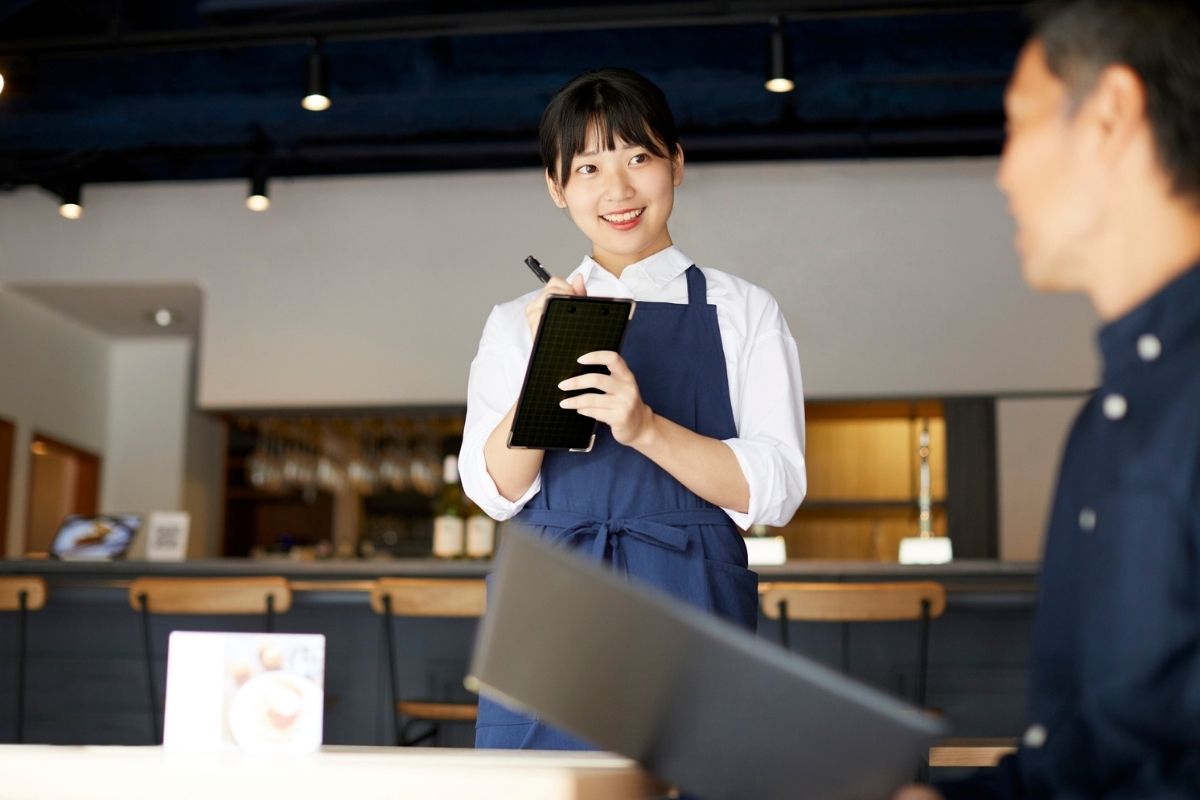
Japanese customer service staff bowing politely to a customer

Introduction: Why This Question Keeps Coming Up If you have ever visited Japan—or even watched travel videos online—you may have noticed something immediately: Japanese customer service feels exceptionally polite. You might have seen: Visitors from Europe, North America, and the Middle East often say: This raises a common question: Why is Japanese customer service so … Read more
If you found this interesting, feel free to share.

Why Do Japanese People Take Time to Help Others?

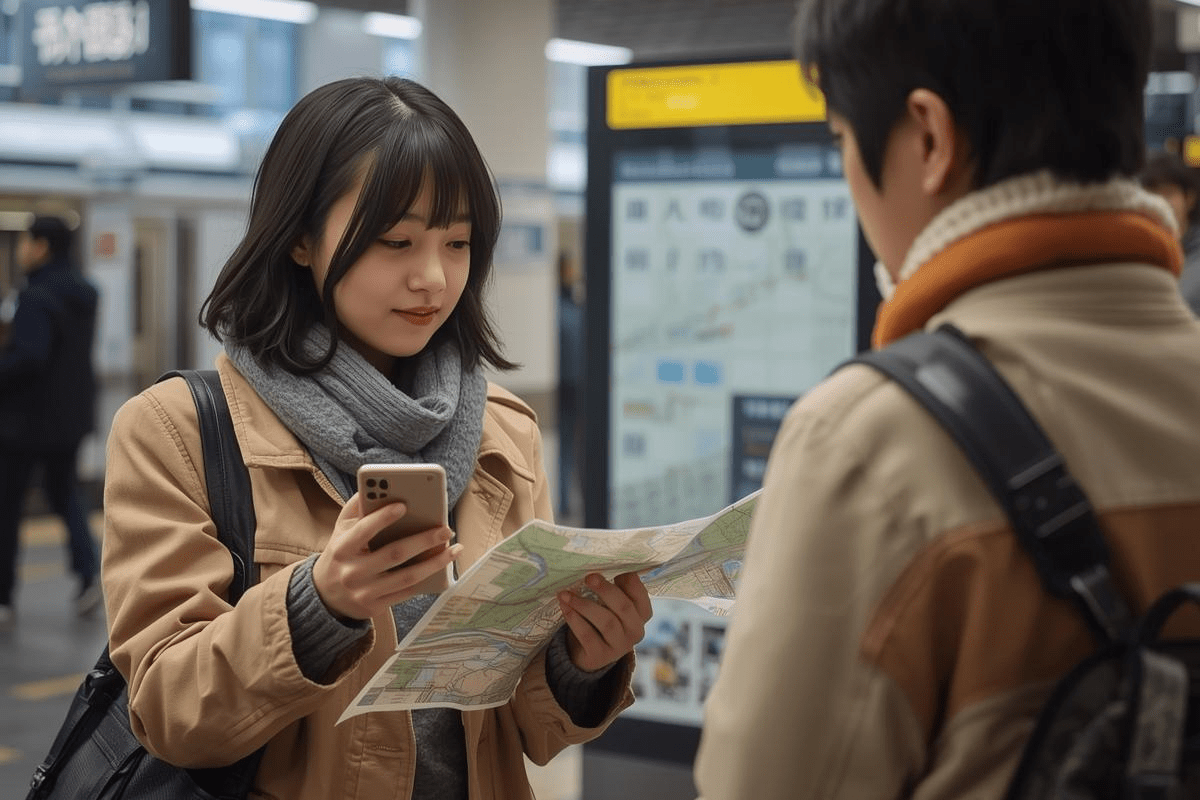
A Japanese woman helping a foreign traveler with directions at a train station in Japan

The Cultural Roots of Kindness, Community, and Everyday Care in Japan Introduction: What This Article Will Explain Visitors to Japan—and people who watch videos about daily life here—often notice something that feels unusual. Strangers help each other without hesitation. For example: These actions are not required by law.They are not rewarded.And they are rarely recorded. … Read more

If you found this interesting, feel free to share.

Why Are Japanese Streets So Clean Even Without Trash Cans?

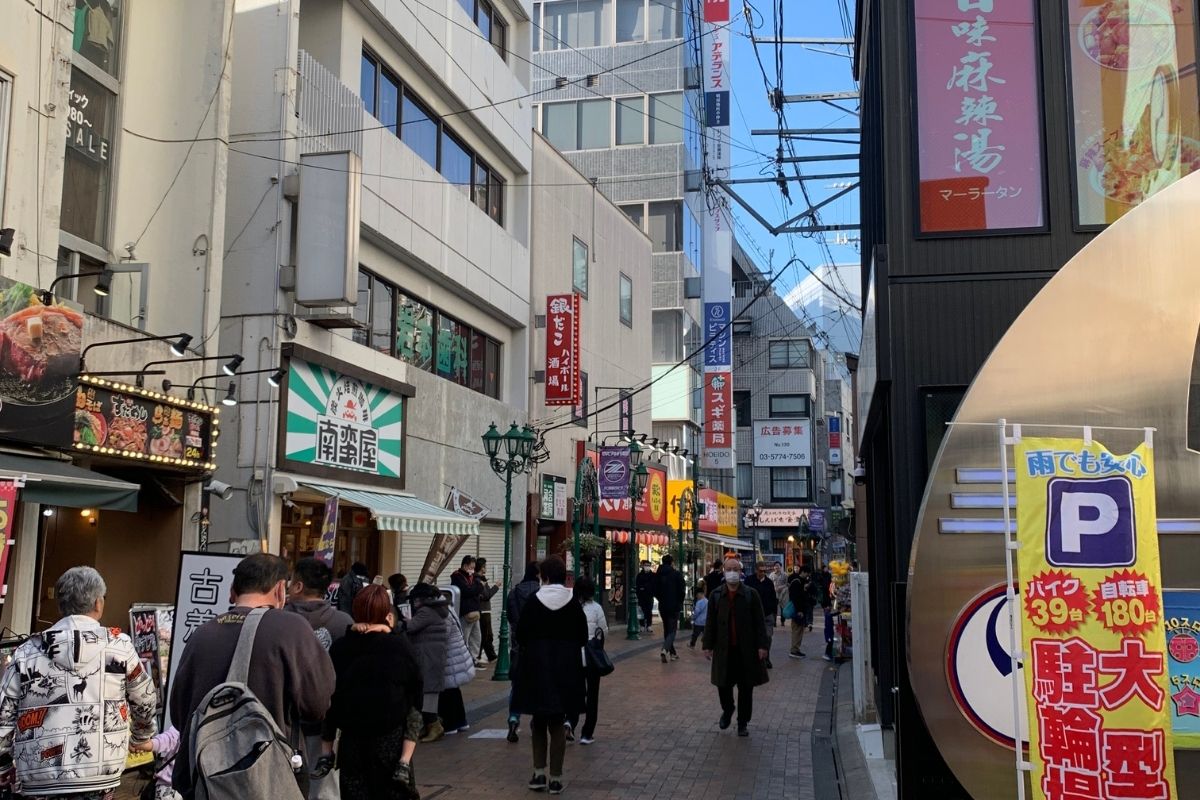
Clean Japanese street with no trash cans, showing how public spaces in Japan stay clean through cultural habits and personal responsibility

Understanding Responsibility, Habit, and Shared Space in Japan Introduction: What This Article Will Explain Visitors to Japan often say the same thing: “There are no trash cans—so why isn’t there any trash?” Photos of clean streets, Japanese fans cleaning stadiums after sports events,and tidy convenience store areas late at night frequently appear in overseas media. … Read more

If you found this interesting, feel free to share.

Why Japanese Children Go to School Alone

Why Japanese Children Go to School Alone

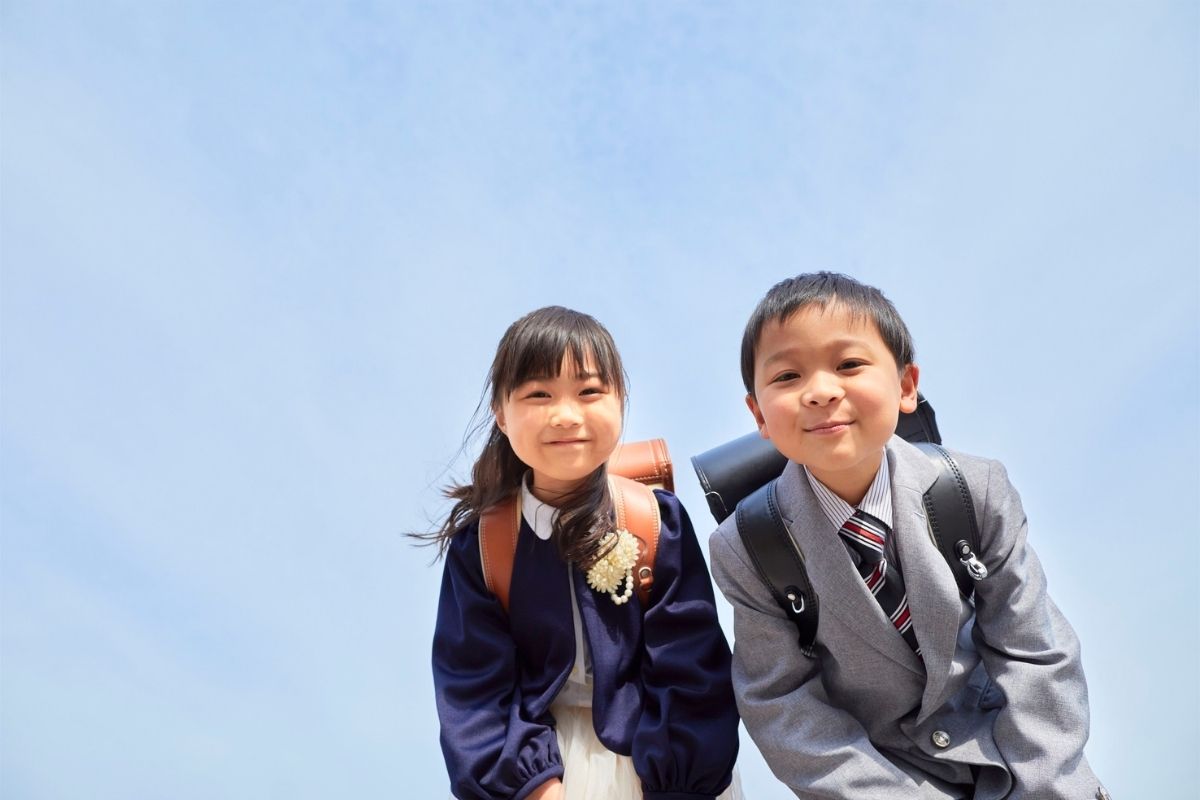
Understanding Safety, Independence, and Community in Everyday Japan Introduction: What This Article Explains and Why It Matters In many parts of Japan, it is common to see young elementary school children walking to school alone. Sometimes they walk by themselves.Sometimes in small groups.And in cities, some even take buses or trains without their parents. For … Read more

If you found this interesting, feel free to share.

Why Japanese People Return Omamori and Ofuda Every Year

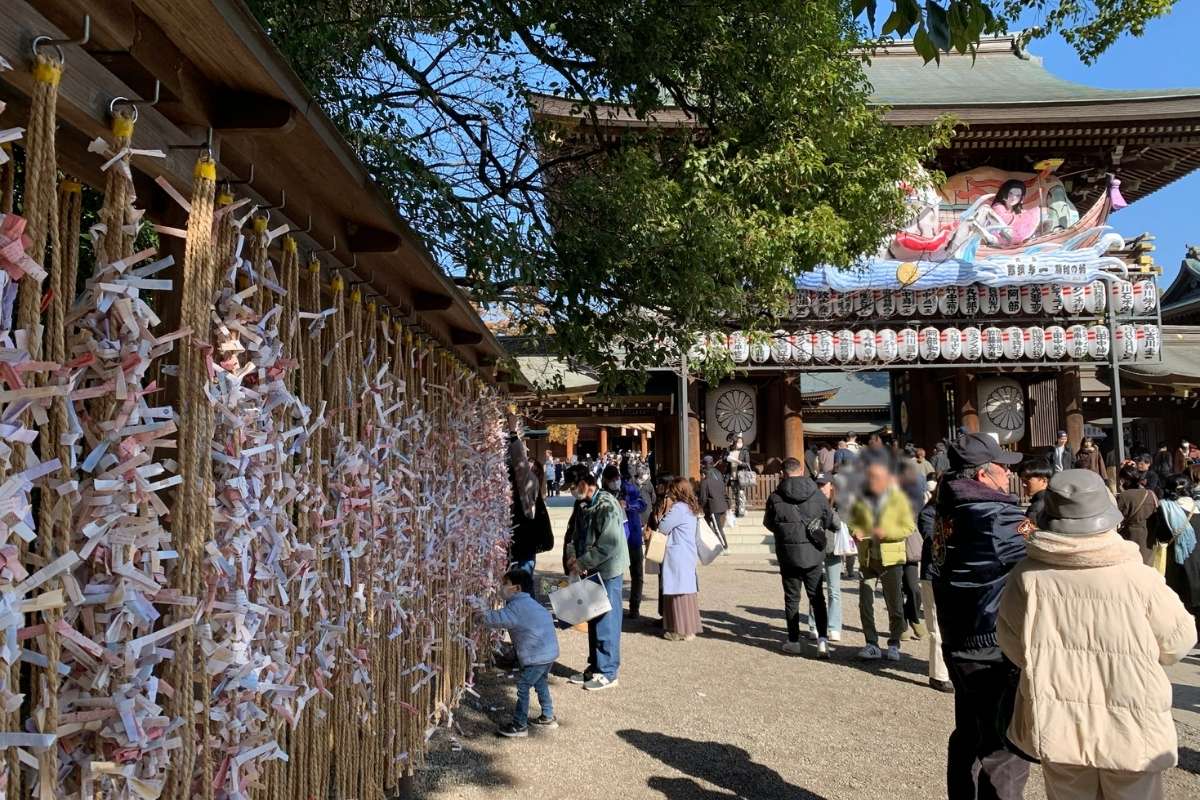
Samukawa Shrine in Kanagawa Prefecture, known for Hachiyoke protection

Visiting Shrines, Gratitude, and Closing One Chapter of Life At the beginning of the year, shrines across Japan become crowded. People line up to pray for health, safety, and calm days ahead. But there is another reason many Japanese people visit shrines during this season: to return omamori and ofuda they received the previous year. … Read more

If you found this interesting, feel free to share.

Why Japanese Festivals Are More Than Events

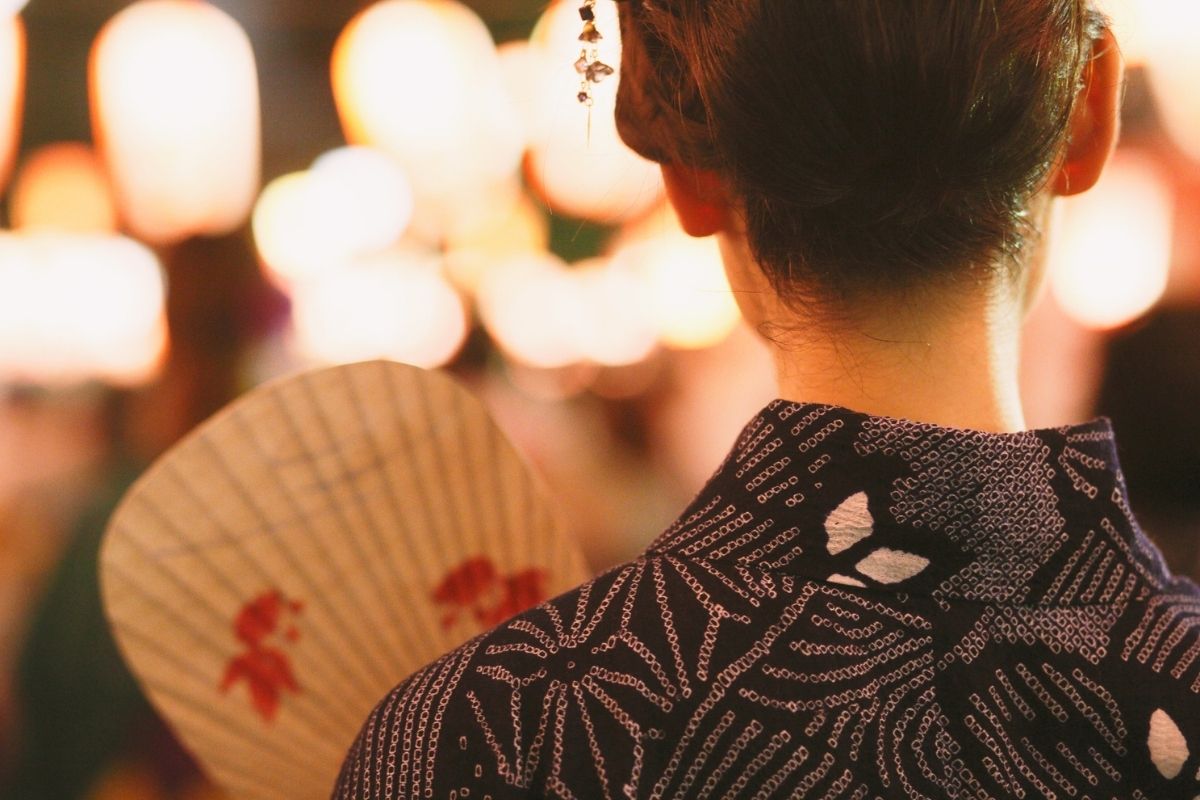
People wearing yukata walking under lantern lights at a local Japanese summer festival

Matsuri, Seasons, and the Heart of Japanese Culture To many visitors, Japanese festivals—matsuri—look lively and joyful. Lanterns glowing at night, rhythmic drums, traditional clothing, food stalls, and smiling faces fill the streets. They feel like celebrations. And they are. But in Japan, festivals are not held simply for fun or entertainment. They are deeply connected … Read more

If you found this interesting, feel free to share.