Matsuri, Seasons, and the Heart of Japanese Culture
To many visitors, Japanese festivals—matsuri—look lively and joyful.
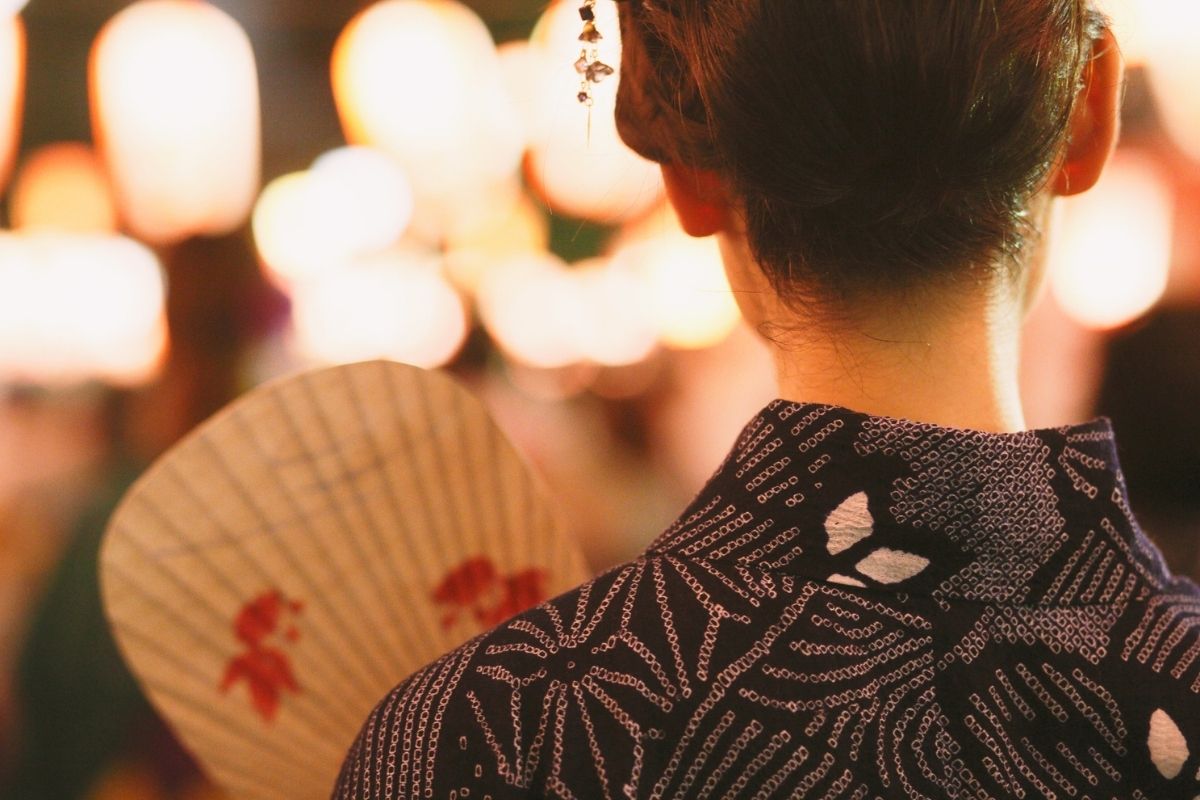
Lanterns glowing at night, rhythmic drums, traditional clothing, food stalls, and smiling faces fill the streets.
They feel like celebrations.
And they are.
But in Japan, festivals are not held simply for fun or entertainment.
They are deeply connected to seasons, nature, community, gratitude, and memory.
In this article, you will learn:
- Why Japanese festivals continue even in modern life
- How matsuri are tied to seasons rather than calendars
- Why participation matters more than spectacle
- How festivals reflect core Japanese values
Understanding festivals helps explain how Japanese people relate to time, nature, and one another.
Matsuri Are Rooted in Gratitude and Prayer
The word matsuri comes from matsuru, meaning “to honor” or “to enshrine.”
Its roots lie in Shinto beliefs, where mountains, rivers, trees, wind, and even silence are thought to be inhabited by countless spirits—yaoyorozu no kami, the eight million gods.
Early festivals were acts of:
- gratitude for harvest
- prayers for protection
- hopes for health and peace
Even today, when religious awareness feels less explicit, this foundation remains.
Japanese festivals are not just performances.
They are moments of acknowledgment—of forces larger than human control.
This way of thinking is closely connected to why sacred spaces blend so naturally into daily life, as explored in Why Shrines Feel So Natural in Everyday Life in Japan.
Hare and Ke: Why Festivals Exist at All
Japanese culture traditionally distinguishes between:
- Ke: ordinary, everyday life
- Hare: special, non-everyday moments
Festivals create hare.
They interrupt routine, not to escape reality, but to refresh it.
After celebration, people return to daily life with renewed balance.
Festivals are not breaks from life.
They are essential pauses within it.
Festivals Follow the Seasons, Not Just Dates
Many Japanese festivals exist in rhythm with nature rather than fixed calendars.
- Spring: beginnings, planting, cherry blossoms
- Summer: purification, protection from illness, enduring heat together
- Autumn: harvest and gratitude
- Winter: endings, reflection, quiet rebirth
Festivals mark transitions.
This seasonal sensitivity also appears in daily habits and shared spaces, including silence—something explored further in Why Japan Is Like This: Silent Trains and Quiet Public Spaces.
The Mythical Origins of Matsuri
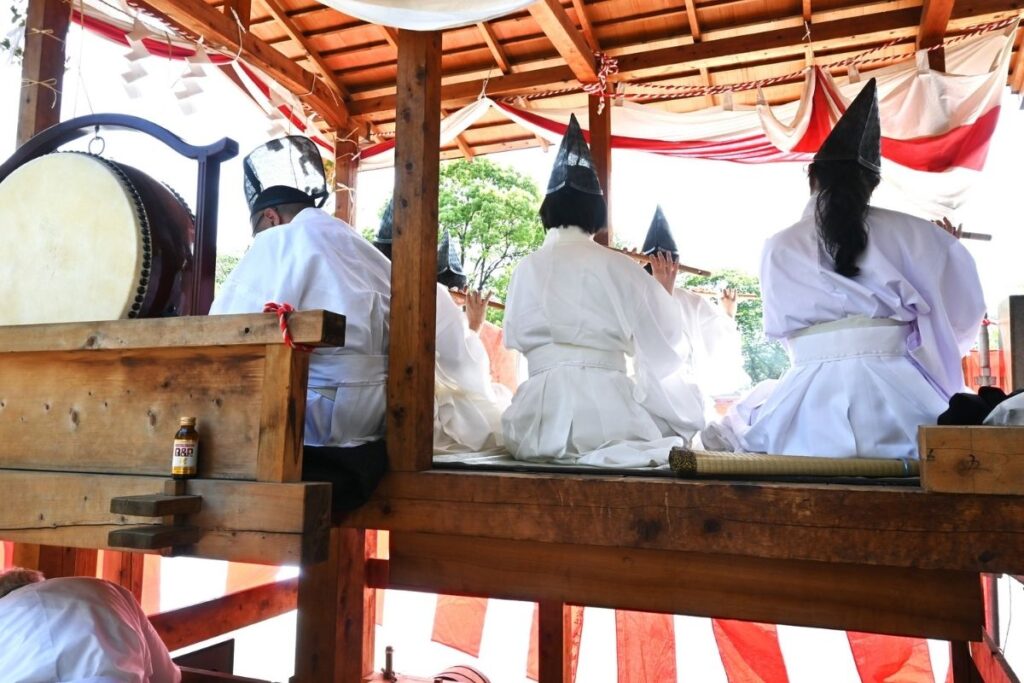
One of the oldest festival stories appears in Kojiki (712), the myth of Amano-Iwato.
When the sun goddess Amaterasu hid in a cave, the world fell into darkness.
To draw her out, the gods gathered outside, dancing, laughing, and celebrating loudly.
Curious, Amaterasu emerged—and light returned.
This story suggests a core idea behind festivals:
Collective joy can restore balance—even in darkness.
Festivals Are Meant to Be Joined, Not Watched
Across Japan, festivals take countless forms.
- carrying portable shrines
- dancing in the streets
- fire, water, lanterns, snow
What they share is participation.
Preparation often begins months in advance.
Children, adults, and elders all take part.
Through festivals, communities reaffirm a simple truth:
I belong here.
Visitors, too, are often welcomed not as spectators, but as temporary participants.
Where Noise and Silence Coexist
Festivals are lively—until suddenly they are not.
Step away from the crowds, and you may hear only distant drums and wind through shrine trees.
Joy and quiet exist side by side.
This balance reflects a broader cultural pattern, similar to Why Japan Is Like This: Indirect Communication and “Reading the Air”.
Expression and restraint are not opposites in Japan—they coexist.
Clothing That Changes Awareness
Traditional clothing such as kimono and yukata naturally alters movement and posture.
Shorter steps.
More awareness.
Choosing patterns and tying an obi becomes part of the experience.
It is not nostalgia.
It is a temporary shift into a different rhythm of time.
Festivals as Memory
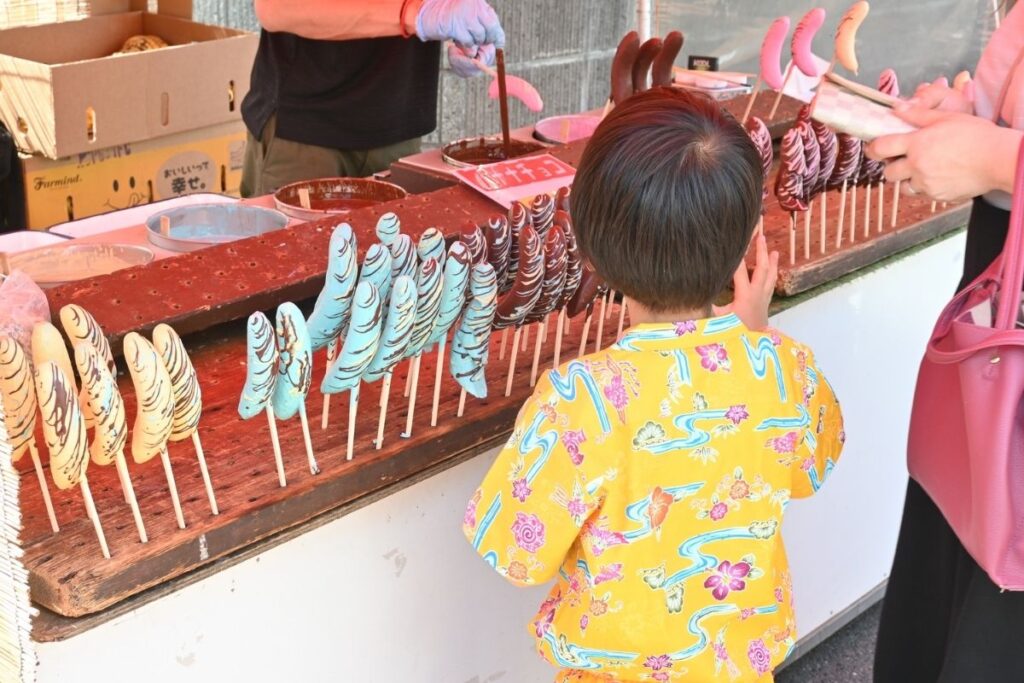
For many Japanese people, festivals are tied to childhood memories.
The smell of food stalls.
Drums echoing at night.
Goldfish scooping, fireworks, candy apples.
Festivals mark life emotionally rather than chronologically.
They become shared memories passed quietly through generations.
Why Japanese Festivals Still Matter
Japanese festivals continue because they still serve a purpose.
They connect:
- people to seasons
- communities to memory
- individuals to something larger than themselves
They are not relics.
They are living culture.
Conclusion: What Matsuri Teach Us About Japan
Japanese festivals are not just events on a calendar.
They reflect how Japanese people understand life:
- Time moves with nature
- Community matters
- Gratitude is expressed through action
- Joy and reflection belong together
You don’t need to understand every symbol.
You don’t need to participate perfectly.
Just being present—watching, listening, feeling—is already enough.
In that moment, a festival becomes more than something you see.
It becomes something you share.

[English] A local insider born in Nagasaki, educated in the U.S., and now based in the Kanto region. After a career in finance and publishing in Tokyo, I now explore the “Why” behind Japanese culture and hidden regional gems. My mission is to help you discover the authentic heart of Japan beyond the tourist crowds.
[한국어] 나카사키 출생, 미국 유학을 거쳐 도쿄 금융권 및 편집자로 활동한 현지인 에디터입니다. 현재 관동 지역에 거주하며 후쿠오카를 비롯한 일본 전역의 ‘진짜’ 매력과 독특한 문화 이야기를 전합니다. 여러분의 여행이 더욱 깊어지는 길잡이가 되겠습니다.