Why Demon Slayer Became a Global Phenomenon

Why Demon Slayer touched the world from a Japanese cultural perspective

A Japanese Cultural Perspective on Compassion, Family, and Quiet Strength Introduction: Why This Article Matters Demon Slayer: Kimetsu no Yaiba became one of the most successful anime and manga series in the world. It broke box office records, attracted viewers across generations, and resonated far beyond Japan. But many overseas fans sense something deeper beneath … Read more
If you found this interesting, feel free to share.

Why Japanese People Return Omamori and Ofuda Every Year

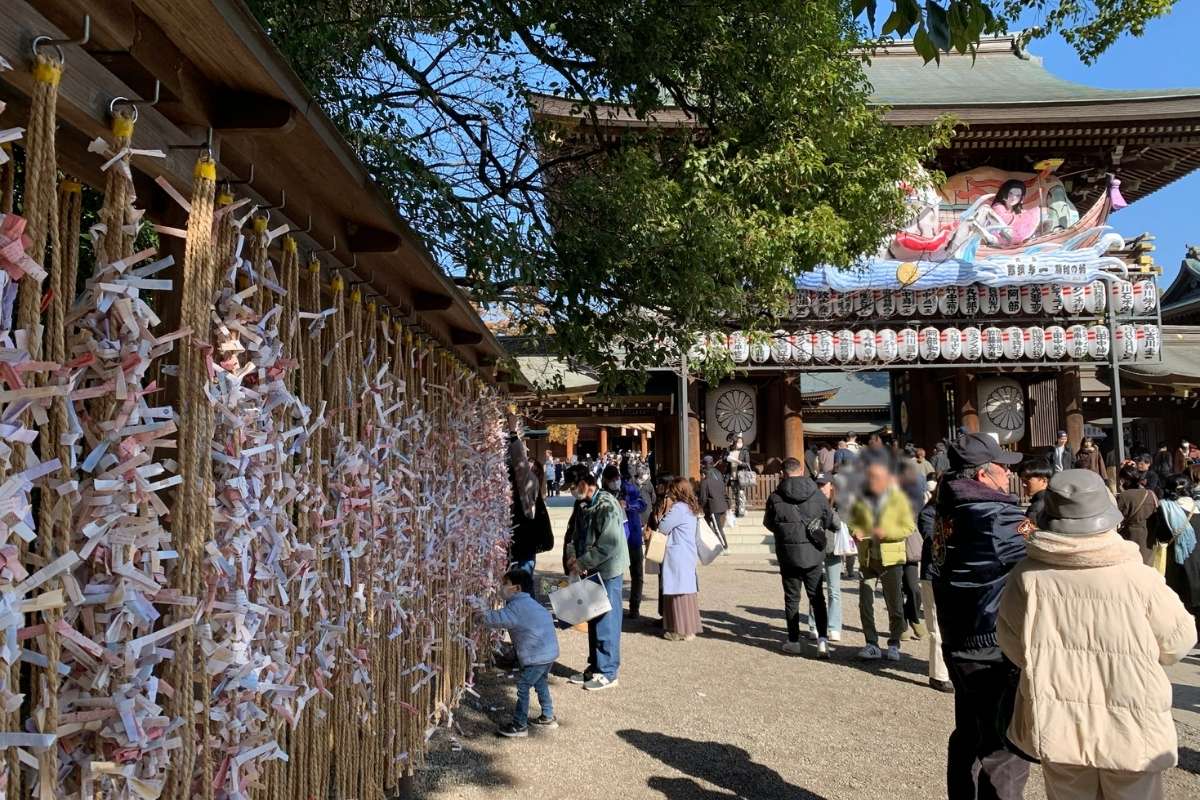
Samukawa Shrine in Kanagawa Prefecture, known for Hachiyoke protection

Visiting Shrines, Gratitude, and Closing One Chapter of Life At the beginning of the year, shrines across Japan become crowded. People line up to pray for health, safety, and calm days ahead. But there is another reason many Japanese people visit shrines during this season: to return omamori and ofuda they received the previous year. … Read more

If you found this interesting, feel free to share.

Why Japanese Festivals Are More Than Events

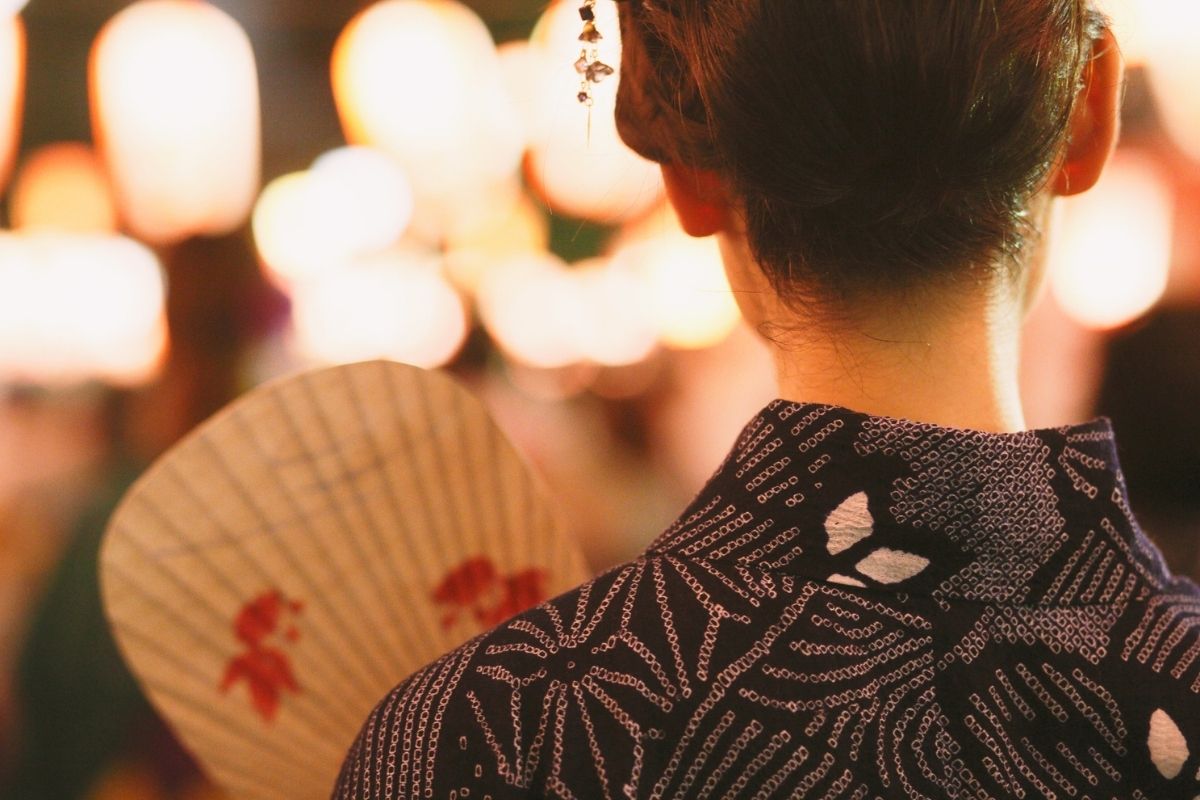
People wearing yukata walking under lantern lights at a local Japanese summer festival

Matsuri, Seasons, and the Heart of Japanese Culture To many visitors, Japanese festivals—matsuri—look lively and joyful. Lanterns glowing at night, rhythmic drums, traditional clothing, food stalls, and smiling faces fill the streets. They feel like celebrations. And they are. But in Japan, festivals are not held simply for fun or entertainment. They are deeply connected … Read more

If you found this interesting, feel free to share.

What Onsen Really Mean to Japanese People

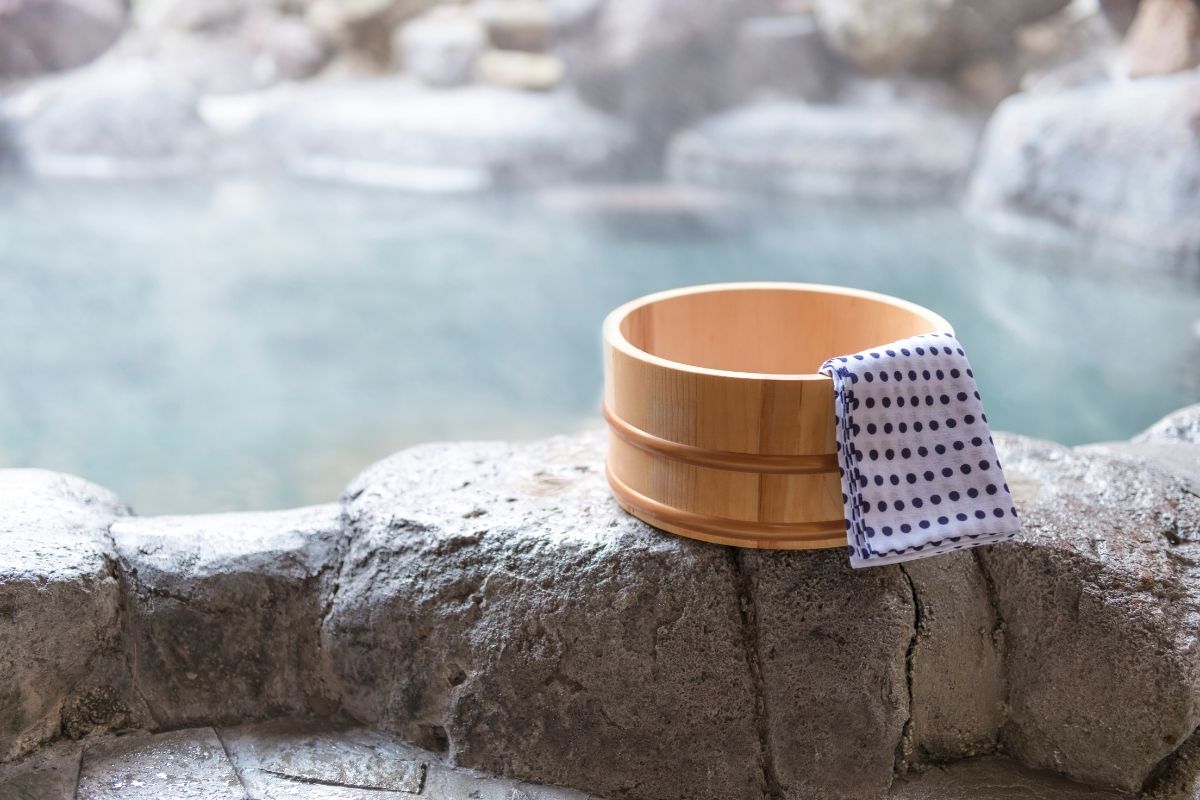
A quiet outdoor onsen surrounded by nature, steam rising softly

Why Hot Springs Are More Than Just Baths in Japan For many visitors, Japanese hot springs—onsen—are simply a relaxing part of travel. Warm water, scenic views, and a place to ease tired muscles. That understanding is not wrong. But in Japan, onsen are not just places to bathe. They are places where daily life, nature, … Read more

If you found this interesting, feel free to share.

What Wearing Kimono Reveals About Inner Beauty, Memory, and Respect in Japan

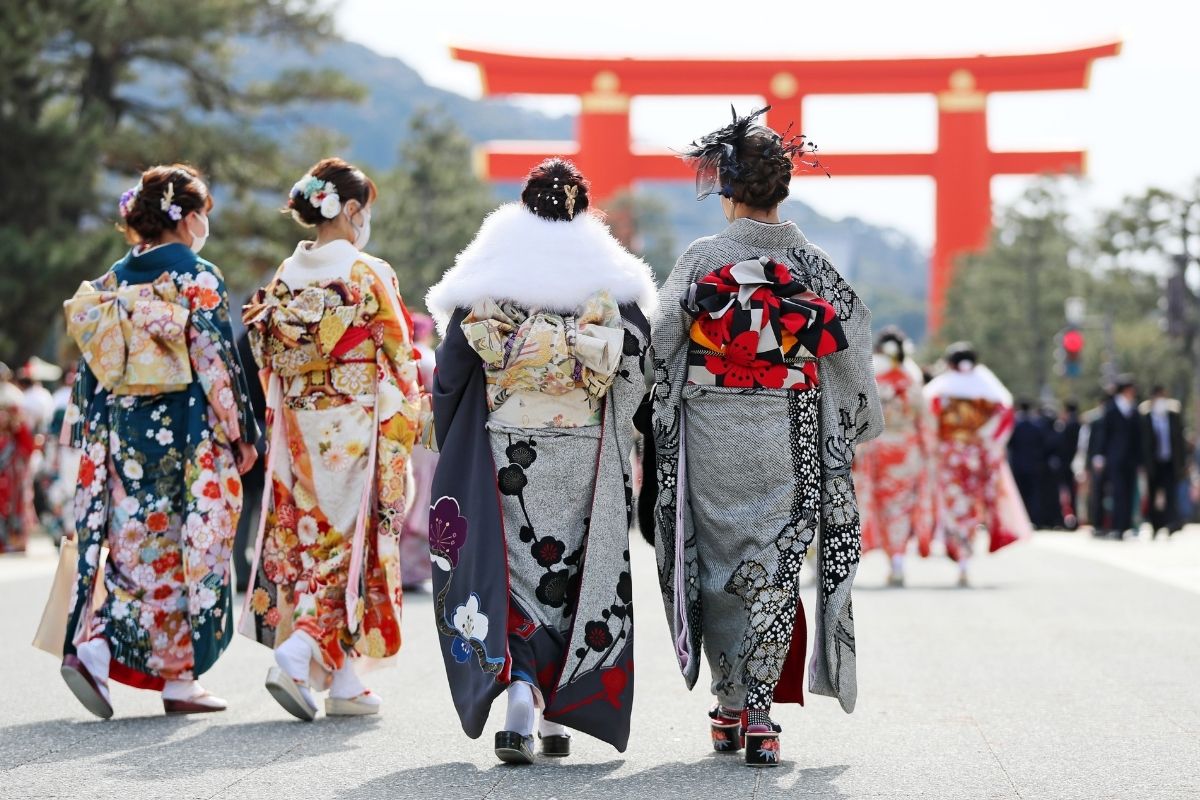
Woman wearing kimono with calm posture in a quiet Japanese setting

For many people outside Japan, kimono is admired mainly for its beauty—elegant colors, seasonal patterns, and graceful silhouettes. But in Japan, wearing kimono is not only about appearance. It quietly changes how a person moves, behaves, and relates to others. This article explores what wearing kimono reveals about Japanese values—from inner beauty and memory to … Read more

If you found this interesting, feel free to share.

Why Japan Is Like This: Tea Ceremony (Sadō) and Japanese Aesthetics

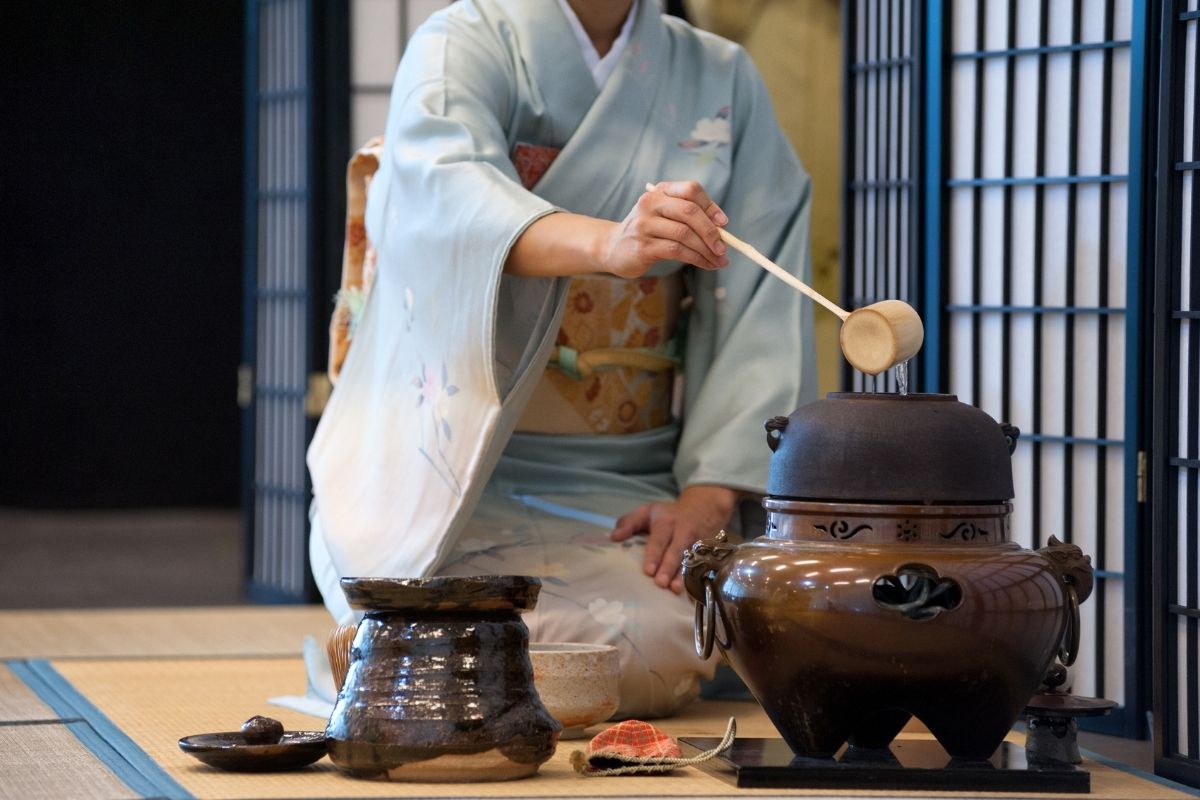
A quiet tea ceremony moment showing a tea bowl and soft light in a traditional Japanese tea room

When people watch a Japanese tea ceremony for the first time, many feel the same quiet confusion. Why is it so slow?Why is there so much silence?And why does such a simple act feel strangely meaningful? This article explores why the tea ceremony feels so uniquely Japanese, not by focusing on rules or procedures, but … Read more

If you found this interesting, feel free to share.