This article is written for visitors to Japan and readers
who are curious about Japanese culture.
It explains what “omiyage” really means,
why Japanese people bring souvenirs so often,
and how this custom helps maintain relationships in everyday life.
In this article, you will learn:
- Why omiyage is not just a souvenir
- How it functions as social communication in Japan
- What visitors should understand when giving or receiving omiyage
Why Do Japanese People Always Bring Back Souvenirs?
When you travel around Japan, one thing quickly stands out.
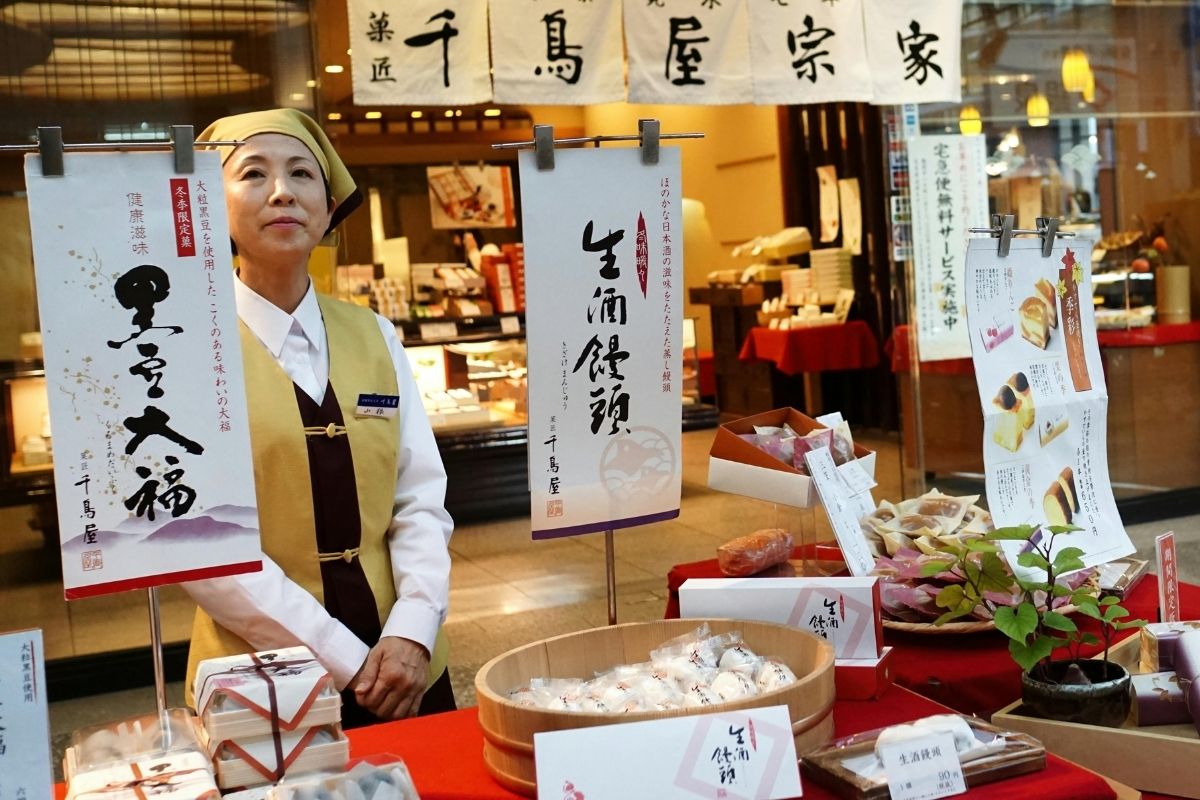
No matter where you go, colorful boxes of sweets and regional specialties are beautifully packaged and clearly labeled as omiyage—souvenirs meant to be taken home and shared.
You may also notice something else.
Japanese travelers almost never return empty-handed.
Whether it is a short business trip, a weekend getaway, or a long vacation, most people bring something back.
This often surprises visitors from overseas.
- “Why do people buy so many souvenirs?”
- “Is it politeness, or an obligation?”
- “Who are these gifts really for?”
The answer goes far beyond simple souvenirs.
The Historical Roots of Omiyage
Japan’s omiyage culture did not appear overnight.
Its roots can be traced back to the Edo period, when pilgrimages to Ise Grand Shrine became popular among ordinary people.
Travelers brought back small charms, paper talismans, or lightweight goods as proof of their journey. These items were shared with family and neighbors as a way of saying, “I went there, and I came back safely.”
Later, as railways spread during the Meiji era and travel became more accessible, food—especially sweets—became the dominant form of omiyage.
Some researchers point even further back, connecting omiyage to the much older osusowake tradition: sharing food from hunts or harvests within a community.
In other words, sharing what you gained elsewhere has long been a natural part of Japanese life.
Omiyage Is Not About the Object
In many countries, souvenirs are personal keepsakes.
People choose something they like—something to remember their trip by.
In Japan, omiyage works differently.
The value of omiyage is not its price, rarity, or beauty.
It lies in the act itself.
By giving omiyage, a traveler quietly communicates several feelings at once:
- “I thought of you while I was away.”
- “I returned safely.”
- “Our relationship matters to me.”
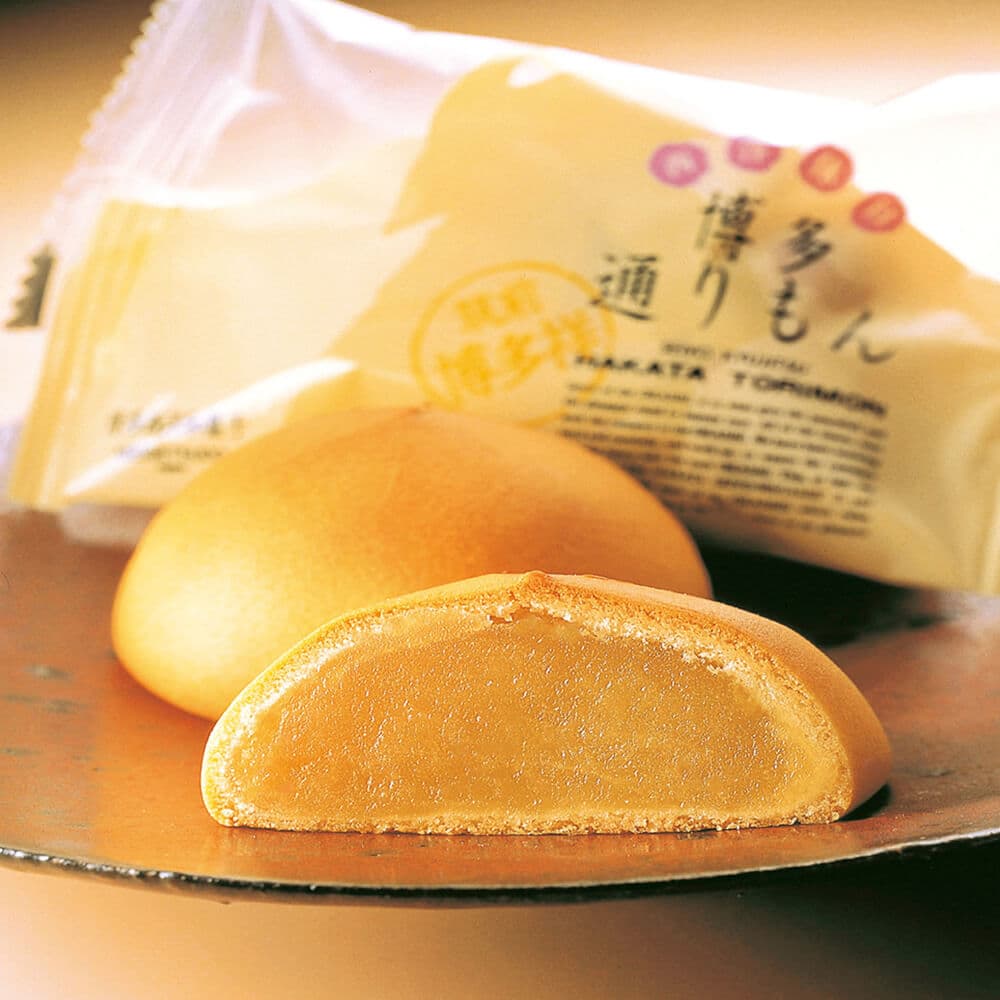
That is why omiyage is often small, affordable, and individually wrapped.
It is meant to be shared, not displayed.
A Gentle Way to Maintain Relationships
Japanese society places strong importance on balance and consideration within relationships.
Omiyage helps maintain that balance in a subtle way.
After taking time off work or being absent from a shared space, many people feel an unspoken awareness:
“Others may have supported things while I was gone.”
Omiyage is not exactly an apology—but it is not casual either.
It is a quiet expression of gratitude and awareness.
“Thank you for everything while I was away. Please enjoy this.”
Naturally, this often leads to conversations about the trip—food, places, small discoveries.
In this way, omiyage becomes a bridge for connection.
This mindset closely relates to Japan’s style of indirect communication and reading the air, where intentions are shared without being stated directly.
Why Regional Omiyage Matters So Much
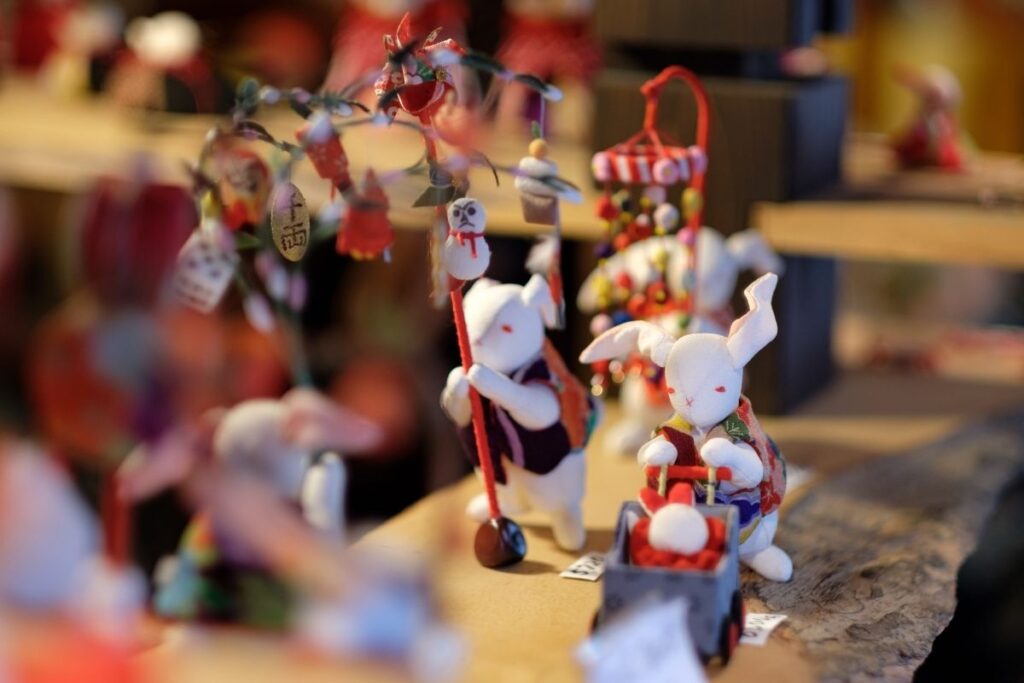
Many Japanese souvenirs are available only in specific regions.
This is not about exclusivity.
It is about place.
Omiyage does not just say, “I traveled.”
It says, “I went there.”
Each region in Japan has its own flavors, ingredients, and food traditions.
Some are known for sweets, others for savory snacks or local specialties.
People want to extend that experience beyond the trip—and share it with others.
For Japanese travelers, choosing omiyage is part of traveling itself.
It reflects Japan’s strong sense of seasonality and regional identity.
Not a Rule, but a Shared Understanding
Omiyage is not enforced by law or strict rules.
No one will openly scold you for forgetting it.
Yet many people still feel uncomfortable returning empty-handed.
This feeling comes from a shared cultural awareness:
How do my actions affect others?
How can I include those who stayed behind?
It is less about obligation and more about emotional consideration.
Why Omiyage Can Feel Strange to Visitors
In cultures that prioritize individualism or efficiency, bringing gifts for coworkers may feel unnecessary or burdensome.
But in Japan, these small gestures serve an important purpose.
They smooth relationships, reduce friction, and express care without demanding attention.
Once understood this way, omiyage no longer feels strange.
It becomes a form of social language.
A Small Gift with a Lasting Meaning
Omiyage is often eaten quickly and soon forgotten.
But the act itself leaves something behind—reassurance, warmth, and continuity.
If you ever receive omiyage in Japan, it is not because someone felt obligated.
It is because, in a quiet and very Japanese way, they chose to include you in their journey.
If you visit Japan, you do not need to feel pressure
to buy expensive gifts for everyone.
What matters most is the intention.
A small, regional souvenir shared with a simple “thank you”
is more than enough to be appreciated.

[English] A local insider born in Nagasaki, educated in the U.S., and now based in the Kanto region. After a career in finance and publishing in Tokyo, I now explore the “Why” behind Japanese culture and hidden regional gems. My mission is to help you discover the authentic heart of Japan beyond the tourist crowds.
[한국어] 나카사키 출생, 미국 유학을 거쳐 도쿄 금융권 및 편집자로 활동한 현지인 에디터입니다. 현재 관동 지역에 거주하며 후쿠오카를 비롯한 일본 전역의 ‘진짜’ 매력과 독특한 문화 이야기를 전합니다. 여러분의 여행이 더욱 깊어지는 길잡이가 되겠습니다.