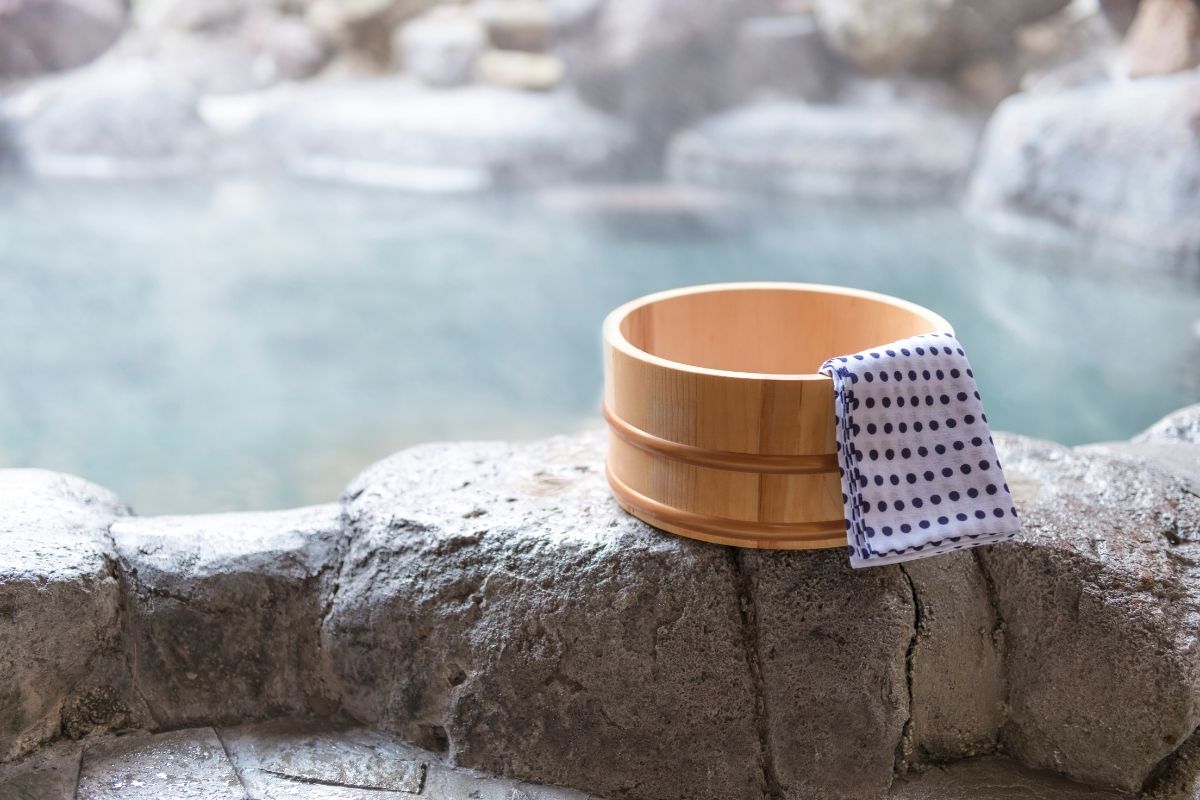
Why Hot Springs Are More Than Just Baths in Japan
For many visitors, Japanese hot springs—onsen—are simply a relaxing part of travel.
Warm water, scenic views, and a place to ease tired muscles.
That understanding is not wrong.
But in Japan, onsen are not just places to bathe.
They are places where daily life, nature, memory, silence, and human relationships quietly overlap.
In this article, you will learn:
- Why bathing is such an essential habit in Japan
- Why nudity and silence feel natural in onsen
- How hot springs reflect deeper Japanese values
- Why onsen remain meaningful even in modern life
Understanding onsen helps explain many other aspects of Japanese culture—especially how people relate to rest, space, and one another.
Bathing Is a Daily Habit in Japan
In Japan, bathing is part of everyday life.
Most people bathe every day, and for many of us, a quick shower alone does not feel sufficient.
Soaking in hot water:
- warms the body to the core
- releases tension
- helps reset the mind
This is considered necessary, not luxurious.
If even an ordinary home bath is important, natural hot springs—rich in minerals and flowing directly from the earth—carry even greater meaning.
Japanese people often say casually:
“Maybe it’s time to go to an onsen again.”
My own family says this often.
My husband grew up in a hot spring town. As a child, he rarely used a bathtub at home—because there were several public onsen nearby, and he went almost daily.
Even for Japanese people, living close to hot springs feels like a quiet privilege.
A Country Shaped by Hot Springs
Japan is one of the most volcanically active countries in the world.
About 10% of the world’s active volcanoes are located here.
As a result, Japan has over 27,000 hot spring sources, and every prefecture has onsen.
Regions like Oita, Kagoshima, and Shizuoka are especially famous.
For Japanese people, this abundance feels normal.
But seen from the outside, it is extraordinary.
Hot springs are not rare destinations—they are part of the landscape.
A History Older Than Written Records
Japanese people have been using hot springs for thousands of years.
Archaeological evidence suggests hot spring use during the Jōmon period, around 6,000 years ago.
Ancient texts such as:
- Kojiki
- Nihon Shoki
- Fudoki
- Manyōshū
all mention hot springs.
In the Izumo Fudoki (733), a hot spring is described as curing “all illnesses.”
Onsen were once considered sacred—natural places of healing and purification.
This belief connects closely to Shinto ideas of cleansing and renewal, similar to Why Shrines Feel So Natural in Everyday Life in Japan.
Onsen Are Not Spas
In many cultures, bathing is private.
A closed door. Personal space.
Onsen are the opposite.
People bathe naked, together, regardless of age, job, or social status.
This is not meant to embarrass.
It is meant to make everyone equal.
When clothes come off, titles disappear.
This shared nudity removes barriers in a way that words never could.
Why Nudity and Rules Exist
Visitors often ask:
- Why no swimsuits?
- Why can’t towels enter the bath?
- Why does no one seem to care about being seen?
The reason is simple.
An onsen is not a place to display the body.
It is a place to wash clean.
Before entering the bath, everyone washes thoroughly.
The bath itself is only for soaking.
This mindset comes from misogi—ritual purification through water.
Not only physical dirt, but emotional heaviness is released.
Once this is understood, nudity begins to feel practical, not awkward.
Silence Is Part of the Experience
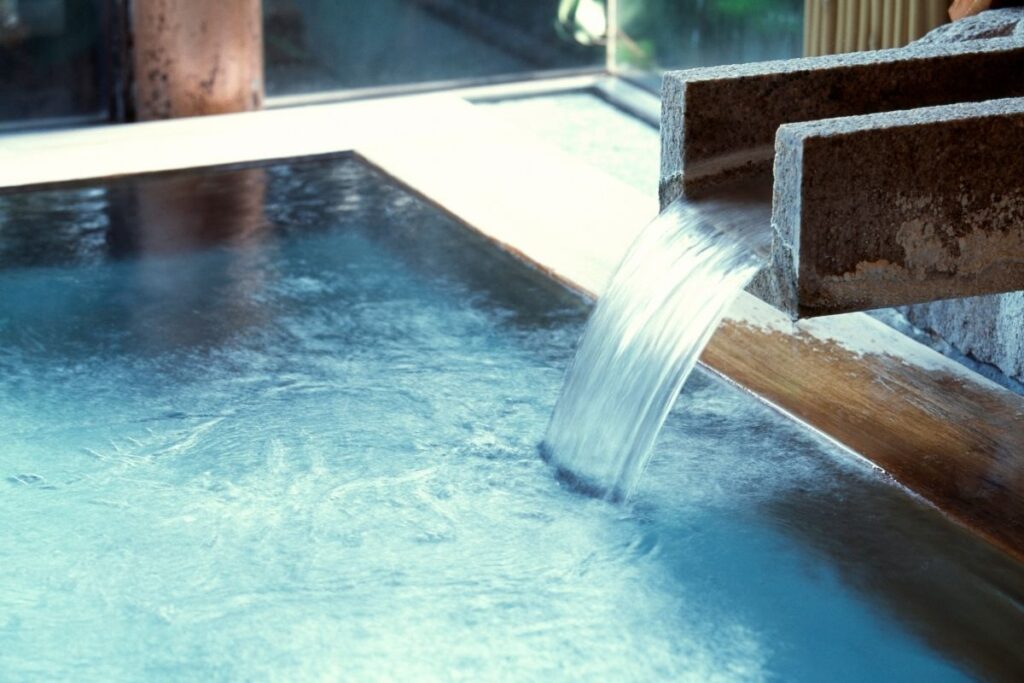
Onsen are quiet.
Voices soften naturally.
Long conversations are rare.
This silence is not uncomfortable—it is meaningful.
It reflects the same cultural sensitivity found in:
In Japan, silence is not empty.
It allows awareness.
Bathing with Nature
Many hot springs are located near mountains, forests, rivers, or the sea.
Open-air baths (rotenburo) are especially loved.
Snow falling into hot water.
Autumn leaves drifting past.
Cicadas singing in summer.
Onsen remind people that humans are part of nature, not separate from it.
This appreciation mirrors Japan’s deep seasonal awareness, also seen in The Obsession with Seasons and Cherry Blossoms.
A Place to Reset the Heart
Japanese people often say:
“Let’s wash everything away.”
They mean more than dirt.
Stress. Fatigue. Emotional weight.
In a society where people constantly adjust to others, onsen are one of the few places where nothing is required.
No explanation.
No performance.
Just presence.
Onsen and Memory
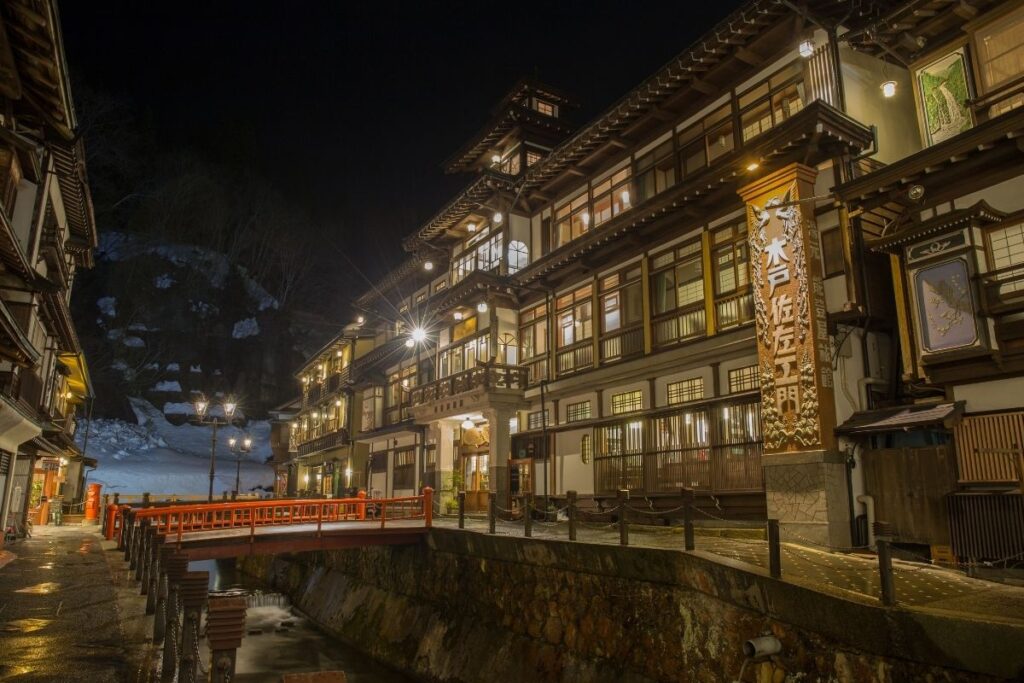
For many Japanese people, hot springs are tied to memory.
Family trips.
School excursions.
Seasonal travel.
The smell of sulfur.
Wooden changing rooms.
Cold milk after bathing.
I grew up going on countless hot spring trips with my family.
After marriage and children, onsen trips became a new tradition.
Recently, I traveled with my elderly parents for a short onsen stay.
Watching them relax in the warm water made the experience unforgettable.
Onsen quietly hold generations together.
Why Onsen Matter in Modern Japan
Onsen are not luxuries.
They are places of rest, memory, and connection.
In hot spring towns, they are part of everyday life.
This is why shared bathing does not feel strange in Japan.
It simply feels normal.
Conclusion: What Onsen Teach About Japan
Onsen are not about bathing alone.
They reflect something essential about Japan:
- Rest is allowed, not earned
- Silence can be shared
- Nature is respected, not controlled
- Connection does not require conversation
You don’t need to understand every rule.
You don’t need to love it immediately.
Just soak.
Feel the warmth.
Notice the quiet.
In that moment, you may understand Japan a little more deeply—
not through explanation, but through experience.

[English] A local insider born in Nagasaki, educated in the U.S., and now based in the Kanto region. After a career in finance and publishing in Tokyo, I now explore the “Why” behind Japanese culture and hidden regional gems. My mission is to help you discover the authentic heart of Japan beyond the tourist crowds.
[한국어] 나카사키 출생, 미국 유학을 거쳐 도쿄 금융권 및 편집자로 활동한 현지인 에디터입니다. 현재 관동 지역에 거주하며 후쿠오카를 비롯한 일본 전역의 ‘진짜’ 매력과 독특한 문화 이야기를 전합니다. 여러분의 여행이 더욱 깊어지는 길잡이가 되겠습니다.