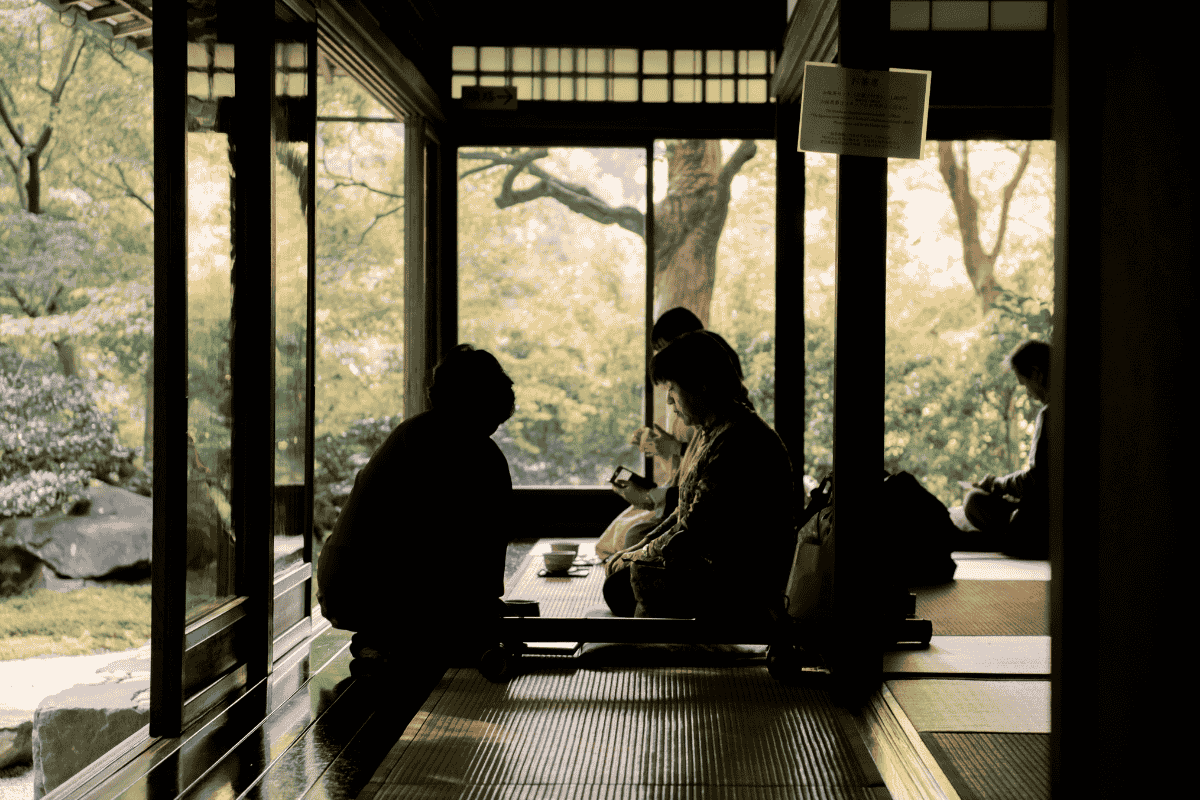
Japanese communication often feels indirect to visitors.
Clear answers may not come immediately, and silence can feel confusing.
This article explains the cultural idea of “reading the air” and why indirect communication is often considered kind rather than unclear in Japan.
Why Don’t Japanese People Say Exactly What They Mean?
Many visitors to Japan notice something early on.
People do not always say exactly what they are thinking.
Clear “yes” or “no” answers may not come right away.
Sometimes, no one openly disagrees — yet nothing moves forward.
At other times, silence seems to say more than words.
For people raised in cultures that value direct communication,
this can feel confusing, stressful, or even frustrating.
“Why don’t they just say what they mean?”
This is a very common question.
However, this communication style is not meant to avoid honesty.
It comes from a different way of protecting relationships and shared spaces.
What Does “Reading the Air” Really Mean?
In Japanese, there is a phrase: kuuki o yomu — “to read the air.”
Here, “air” does not mean the physical air.
It refers to:
- the atmosphere of the situation
- the feelings of others
- what feels appropriate in that moment
In Japan, communication is not limited to words alone.
Tone of voice, pauses, silence, timing, and context all matter.
Sometimes, not saying something directly is considered kindness —
a way to avoid embarrassing or pressuring someone.
👉 This sensitivity to atmosphere also explains behaviors such as quiet public spaces, explored in
Why Japan Is Like This: Silent Trains and Quiet Public Spaces.
Harmony Comes Before Directness
Japanese communication is deeply connected to the idea of wa — harmony.
From a young age, people are taught:
- to avoid open conflict
- to maintain balance within the group
- to be aware of how words affect others
Making someone uncomfortable or disturbing the atmosphere
often feels worse than choosing softer, indirect words.
Because of this, opinions may be:
- gently suggested
- delayed
- or sometimes left unsaid
This is not about lying.
It is about choosing when and how to speak.
In many situations, protecting harmony feels more important
than clearly stating one’s personal opinion.
How Indirect Expressions Appear in Daily Life
This style of communication appears everywhere.
In business settings:
- disagreement may not be expressed during meetings
- concerns are sometimes shared later, privately
When declining an invitation, people might say:
“That day may be a little difficult.”
In shops or restaurants, you may hear:
“That might be difficult today.”
To visitors, these phrases can sound uncertain or vague.
But for Japanese speakers, they often clearly mean “no” —
said in a way that avoids hurting the other person.
👉 This same mindset of avoiding discomfort also appears in everyday apologies, explained in
Why Japanese People Say “Sorry” So Often: The Meaning of Sumimasen.
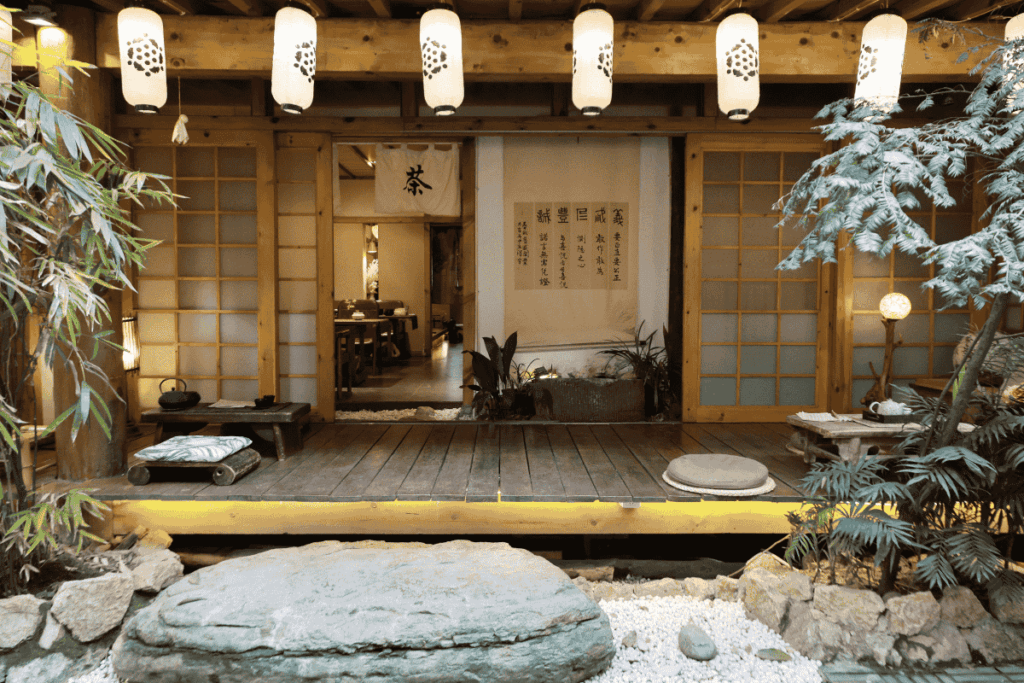
Silence Is Also a Form of Communication
In Japan, silence does not mean “nothing.”
It can mean:
- “I am thinking.”
- “I am listening.”
- “I respect this moment.”
Pauses in conversation are natural.
Speaking too much or filling every silence
can sometimes feel intrusive rather than friendly.
This is also why places like trains, elevators, and waiting rooms feel quiet.
For many Japanese people, this silence feels calm and safe — not awkward.
Why This Feels Difficult for Many Foreigners
In many English-speaking cultures:
- clarity is valued
- direct answers are seen as honest and kind
Because of this, indirect communication may feel confusing or inefficient.
It is natural to wonder:
“Why don’t they just say yes or no?”
This is not a matter of right or wrong.
It is simply a difference in values.
While some cultures prioritize clarity,
Japanese communication often prioritizes emotional safety and comfort.
A Gentle Tip for Visitors to Japan
You do not need to perfectly “read the air” to enjoy Japan.
Observing quietly, listening carefully,
and responding gently is more than enough.
Silence is okay.
Soft expressions are usually welcomed.
Japanese people do not expect visitors
to fully understand these unspoken rules.
If you are unsure, it is perfectly fine to ask.
Curiosity is always appreciated.
The Quiet Kindness Behind Indirect Words
Indirect communication in Japan often carries quiet kindness.
“I don’t want to pressure you.”
“I want this space to feel comfortable for everyone.”
These feelings often live between the words —
or sometimes, within silence itself.
Understanding this background can make everyday interactions in Japan
feel gentler, warmer, and more human.
Once you understand this mindset, conversations in Japan feel less stressful.
You do not need to master it—simply noticing it can make interactions feel gentler and more human.

[English] A local insider born in Nagasaki, educated in the U.S., and now based in the Kanto region. After a career in finance and publishing in Tokyo, I now explore the “Why” behind Japanese culture and hidden regional gems. My mission is to help you discover the authentic heart of Japan beyond the tourist crowds.
[한국어] 나카사키 출생, 미국 유학을 거쳐 도쿄 금융권 및 편집자로 활동한 현지인 에디터입니다. 현재 관동 지역에 거주하며 후쿠오카를 비롯한 일본 전역의 ‘진짜’ 매력과 독특한 문화 이야기를 전합니다. 여러분의 여행이 더욱 깊어지는 길잡이가 되겠습니다.