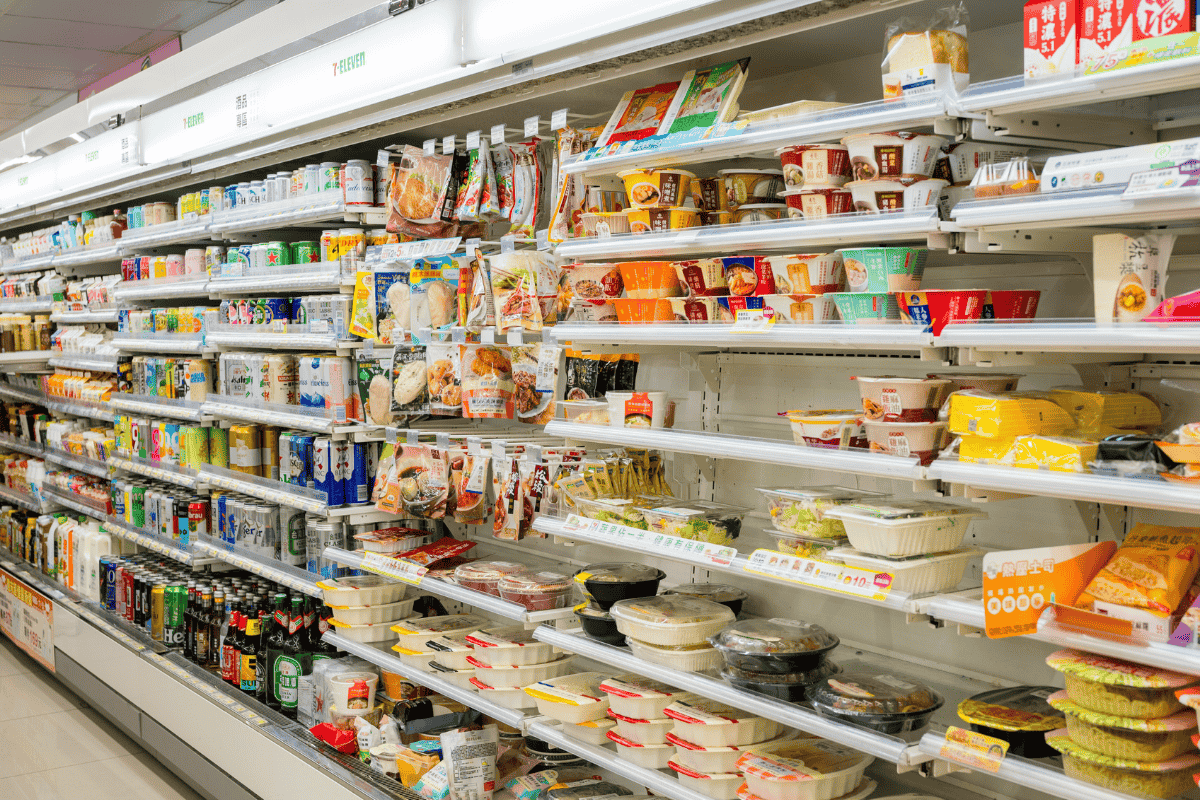
Japanese convenience stores often surprise visitors with their quality, cleanliness, and variety.
This article explains why convenience stores play such an important role in daily life in Japan—and what they reveal about customer care and social trust.
Why Do Japanese Convenience Stores Feel So Different?
If you spend even a short time in Japan, you quickly notice something surprising:
Japanese convenience stores feel… special.
They are clean, quiet, well-organized, and offer services that go far beyond what the word “convenient” usually suggests. For many visitors, their first visit to a Japanese convenience store becomes a small but memorable moment of everyday discovery.
At first glance, they may look similar to convenience stores in other countries.
But once you step inside, you realize that the role they play in daily life is completely different.
A Small Personal Realization Abroad
I personally realized this when I visited Hawaii. Seeing a familiar American brand—7-Eleven—I walked in expecting to find something like the high-quality bento boxes I was used to in Japan.
Instead, there were none. I eventually bought a frozen meal, but it was nothing like what I had imagined. I remember feeling genuinely confused: Why is it so different?
That experience made me realize something I had taken for granted.
Although convenience stores originated in the United States, in Japan they have evolved into something uniquely Japanese—especially in terms of food quality, variety, cleanliness, and service. In many ways, they are considered world-class.
More Than a Place to Buy Snacks
In many countries, convenience stores are mainly for drinks or quick snacks.
In Japan, they are deeply woven into everyday life.
You can buy freshly prepared meals, seasonal desserts, hot foods, carefully made bento boxes—and even use the restroom. You can pay utility bills, send packages, print documents, buy event tickets, and pick up online orders.
In busy urban life, even after supermarkets close, convenience stores quietly continue supporting people’s daily routines.
Products are constantly developed with the seasons and customer preferences in mind—and they are genuinely delicious. Desserts, in particular, are often developed with care and creativity, making each visit feel a little entertaining rather than boring.
When you buy a bento, the cashier will gently ask, “Would you like it heated?”
Some stores even have small eat-in spaces where people can sit, eat, or rest for a moment.
From children and students to working adults and elderly customers, everyone can use these spaces comfortably and safely.
They are not just stores—they are everyday partners.
Why the Food Quality Is So High
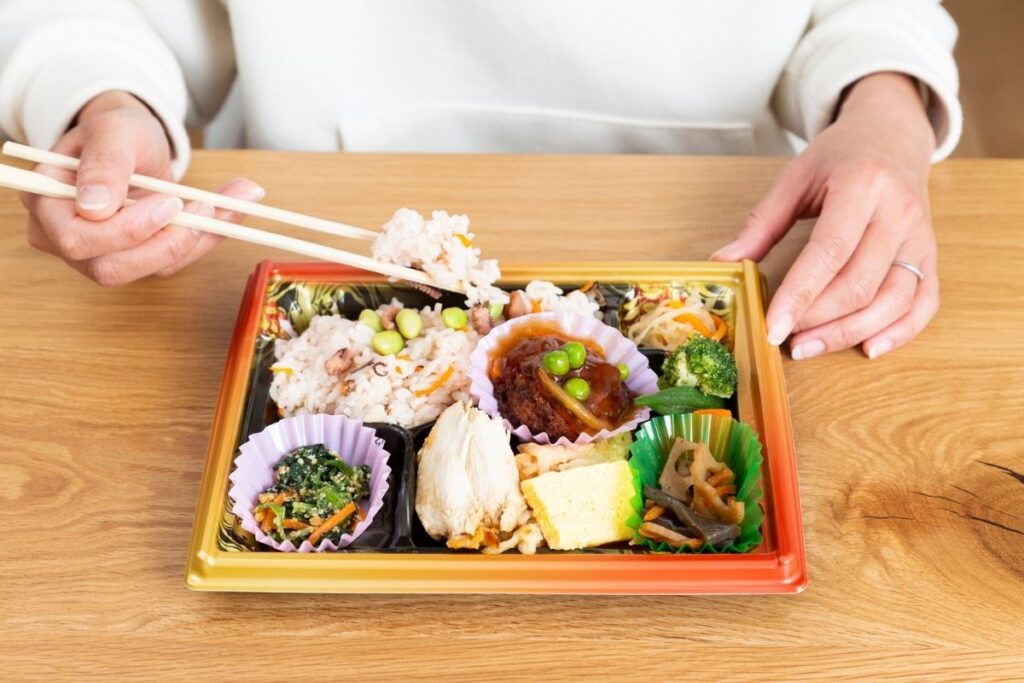
One thing that surprises many visitors is the food.
Rice balls, sandwiches, bento boxes, and desserts are:
- freshly made
- carefully developed
- constantly improved
Seasonal flavors appear regularly, making each visit feel new.
Desserts, in particular, are often surprisingly refined.
This attention to detail reflects a broader Japanese mindset:
“Even small things deserve to be done properly.”
👉 This idea also connects closely to
Japanese minimalism and everyday life
—doing less, but doing it well.
Quiet Efficiency and Indirect Communication
Another reason Japanese convenience stores feel special is their atmosphere.
Even during busy hours:
- stores remain calm
- staff speak softly
- customers line up quietly
When you buy a bento, the cashier gently asks:
“Would you like it heated?”
No pressure. No rushing.
This service style reflects
👉 Indirect communication and “reading the air”
Rather than loud friendliness, the goal is comfort.
People try not to disturb others.
This quiet coordination happens naturally, without strict rules.
A Reflection of Japanese Social Values
Convenience stores reflect many values shared in Japanese society:
- consideration for others
- cleanliness and order
- predictability and safety
- respect for shared spaces
Customers sort trash properly.
Staff apologize even for small delays.
These behaviors are not forced.
They come from a shared awareness of how to make spaces comfortable for everyone.
👉 The same mindset also explains
Why Japanese streets stay so clean.
Why Visitors Feel a Sense of Security
As of recent years, Japan has around 58,000 convenience stores, often located only a few minutes apart in cities.
Many visitors say they feel a strange sense of relief knowing:
“There’s always a convenience store nearby.”
Not because they are luxurious—but because they are:
- safe
- predictable
- easy to use
Even without strong Japanese skills, systems are simple and help is always close.
In this way, convenience stores quietly welcome visitors—without many words.
Not Perfect, but Deeply Human
Of course, convenience stores are part of modern society and face challenges:
- long working hours
- labor shortages
- food waste
Still, they continue to evolve.
Major chains develop strong private brands:
Seven Premium, Lawson Select, FamimaRu.
Seasonal items—ehō-maki, Christmas cakes, New Year foods—connect stores to Japanese traditions.
During disasters, convenience stores often become vital hubs for supplies and information.
Some even support elderly communities through delivery services and local monitoring.
Convenience, here, does not mean cold efficiency.
A Gentle Message for Visitors
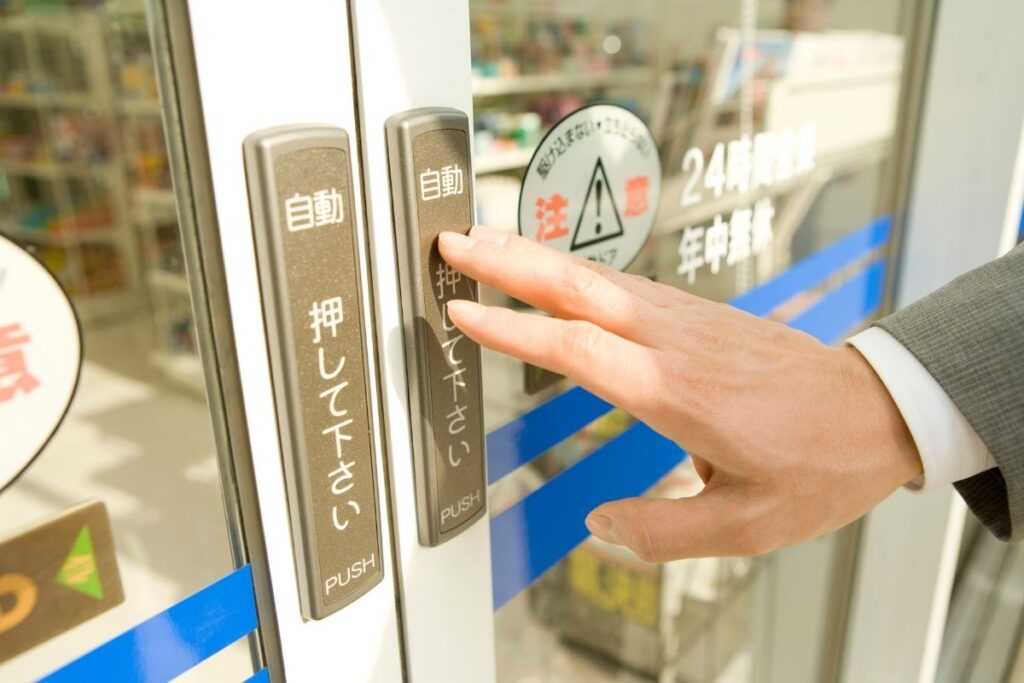
When you visit Japan, take a moment inside a convenience store.
Watch how people move and interact.
Notice:
- small bows
- careful hand movements
- quiet “thank yous”
See how chopsticks or spoons are automatically included.
In these ordinary moments, you may glimpse how Japan tries to make daily life just a little easier—and a little kinder.
Japanese convenience stores are not just shops.
They quietly support everyday life, reflecting how Japan values reliability, comfort, and shared responsibility.

[English] A local insider born in Nagasaki, educated in the U.S., and now based in the Kanto region. After a career in finance and publishing in Tokyo, I now explore the “Why” behind Japanese culture and hidden regional gems. My mission is to help you discover the authentic heart of Japan beyond the tourist crowds.
[한국어] 나카사키 출생, 미국 유학을 거쳐 도쿄 금융권 및 편집자로 활동한 현지인 에디터입니다. 현재 관동 지역에 거주하며 후쿠오카를 비롯한 일본 전역의 ‘진짜’ 매력과 독특한 문화 이야기를 전합니다. 여러분의 여행이 더욱 깊어지는 길잡이가 되겠습니다.