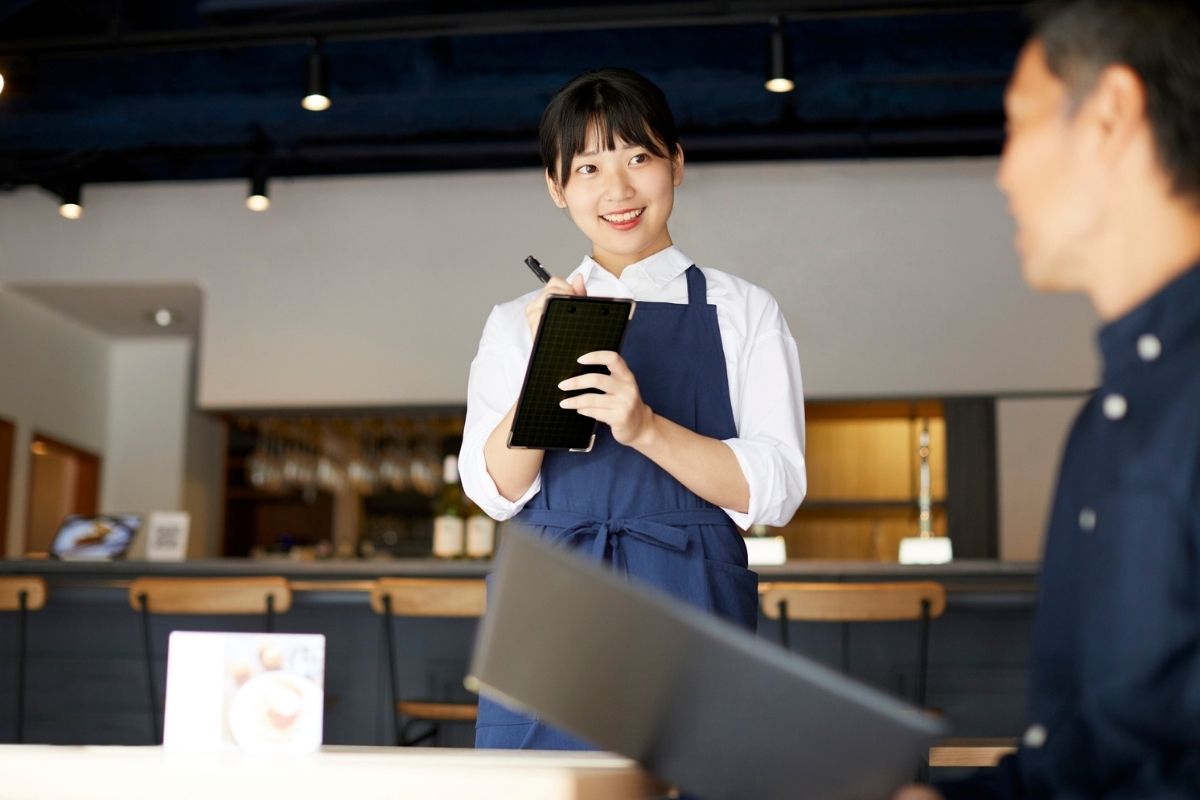
Introduction: Why This Question Keeps Coming Up
If you have ever visited Japan—or even watched travel videos online—you may have noticed something immediately:
Japanese customer service feels exceptionally polite.
You might have seen:
- Deep bows from store staff
- Careful, almost ceremonial handling of products
- Calm and respectful responses, even during complaints
- Polite language used even in convenience stores
Visitors from Europe, North America, and the Middle East often say:
- “It feels almost robotic.”
- “Do they really need to do this much?”
- “But everyone is so kind.”
This raises a common question:
Why is Japanese customer service so polite compared to other countries?
What You Will Learn in This Article
By reading this article, you will understand:
- Why Japanese hospitality feels unusually polite to foreigners
- What omotenashi really means beyond “good service”
- The historical and cultural roots behind this behavior
- Why excellent service exists without tipping
- How this politeness connects to everyday Japanese values
Japanese Hospitality Is Often Called “The Best in the World”
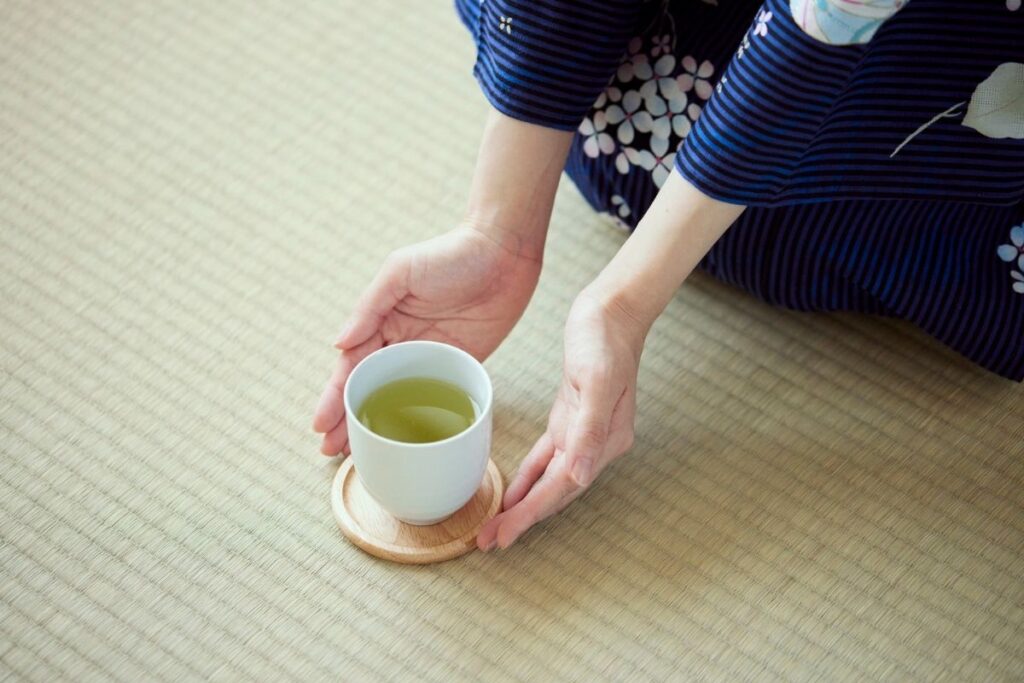
Japan is frequently described as having world-class hospitality.
Examples often highlighted overseas include:
- Tokyo Disneyland being known as the most hospitable Disney park
- Japanese football fans cleaning stadiums after matches
- Disaster survivors lining up calmly to receive supplies
To many Japanese people, these behaviors feel normal.
To outsiders, they feel extraordinary.
Similar cultural patterns are also seen in daily life, such as how people quietly help strangers
(see 🔗 : Why Do Japanese People Take Time to Help Strangers?).
At the heart of all this lies one key concept:
Omotenashi.
What Is Omotenashi?
Omotenashi is often translated as “hospitality,” but the meaning goes deeper.
It refers to:
- Sincere care without hidden motives
- Anticipating someone’s needs before they ask
- Offering respect without expecting rewards
This mindset is not limited to hotels or restaurants.
It is a cultural habit rooted in everyday life.
Traditional practices like the tea ceremony embody omotenashi, where hosts carefully consider:
- The season
- The guest’s feelings
- The atmosphere of the space
Everything is prepared as a once-in-a-lifetime moment (ichigo ichie).
Why Japanese Politeness Can Feel “Unreal” to Foreigners
Respect Expressed Through Form
In Japan, respect is shown through visible actions:
- Honorific language
- Humble expressions
- Deep bows
These are not empty rituals—they are signals of sincerity.
Anticipation Before Being Asked
Warm towels, neatly arranged items, and clear explanations often appear without request.
This “reading the situation” is highly valued.
No Tipping Culture
Japan has no tipping culture.
Good service is not “extra”—it is considered standard.
This may feel confusing to visitors, just as Japan’s clean streets without trash cans do
(see 🔗 : Why Are Japanese Streets So Clean Even Without Trash Cans?).
Four Cultural Roots Behind Japanese Hospitality

1. Village-Based Social Structure
Historically, Japanese communities depended on cooperation for survival.
Farming, fishing, and daily life required teamwork.
People who disrupted harmony risked social exclusion.
As a result, Japanese society developed strong abilities in:
- Reading others’ emotions
- Adjusting behavior for group harmony
- Avoiding conflict
These traits naturally shaped hospitality.
2. Influence of Shinto and Buddhism
Japanese spirituality blends Shinto and Buddhism peacefully.
People visit shrines and temples without conflict.
Shinto teaches gratitude toward nature and unseen forces.
Buddhism emphasizes compassion and inner calm.
Together, they encourage respect and kindness toward others.
3. The Value of Wa (Harmony)
The word wa represents harmony—and Japan itself.
It appears in:
- Washoku (Japanese cuisine)
- Washi (Japanese paper)
- Reiwa and Showa (era names)
Wa means valuing cooperation over confrontation.
This mindset strongly influences service behavior.
4. Respect for Manners and “The Way” (Dō)
Japan values disciplines known as “ways”:
- Tea ceremony (sadō)
- Flower arrangement (kadō)
- Calligraphy (shodō)
These practices train the mind through form.
They emphasize respect, awareness, and discipline—core elements of hospitality.
Hospitality as a Daily Habit, Not a Performance
Japanese hospitality is supported by everyday values:
- Anticipating needs before being asked
- Paying attention to details, even when unseen
- Offering kindness without expecting compensation
These habits are taught from childhood.
Just as children learn independence early
(see 🔗 : Why Do Japanese Children Go to School Alone?),
they also learn to care about how their actions affect others.
Is Japanese Customer Service Always Perfect?
No.
Labor shortages and busy environments sometimes limit service quality.
Some people feel service has declined in recent years.
Still, many visitors say they feel genuine sincerity, not performance.
That sincerity is what leaves a lasting impression.
FAQ: Questions Foreign Visitors Often Ask
Is Japanese customer service fake or robotic?
No.
It follows cultural forms, but the intention is human and sincere.
Why don’t staff show personal emotions?
In Japan, professionalism means controlling emotions to avoid making others uncomfortable.
Is it okay to say “thank you” too much?
Yes—gratitude is always appreciated.
Why won’t staff accept tips?
Tipping can cause confusion.
Excellent service is already included.
What if I don’t understand the rules?
Observe others around you and politely ask.
People are usually happy to help.
How Understanding This Improves Your Experience
When visitors understand why Japanese service is polite, they often feel more relaxed.
They stop worrying about “doing something wrong.”
They start noticing sincerity instead of formality.
And Japan feels less mysterious—and more human.
Conclusion: Hospitality as Culture, Not Technique
Japanese customer service is not polite because people are forced to be.
It is polite because:
- Respect is deeply valued
- Harmony matters
- Caring for others is considered normal
What visitors experience is not perfection—
but a quiet cultural commitment to treating people well.
And that may be the real reason it feels so unforgettable.


[English] A local insider born in Nagasaki, educated in the U.S., and now based in the Kanto region. After a career in finance and publishing in Tokyo, I now explore the “Why” behind Japanese culture and hidden regional gems. My mission is to help you discover the authentic heart of Japan beyond the tourist crowds.
[한국어] 나카사키 출생, 미국 유학을 거쳐 도쿄 금융권 및 편집자로 활동한 현지인 에디터입니다. 현재 관동 지역에 거주하며 후쿠오카를 비롯한 일본 전역의 ‘진짜’ 매력과 독특한 문화 이야기를 전합니다. 여러분의 여행이 더욱 깊어지는 길잡이가 되겠습니다.