Introduction: What This Article Will Help You Understand
Standing quietly in line may seem like a small detail.
However, for many visitors to Japan, it becomes one of the most striking cultural differences they notice.
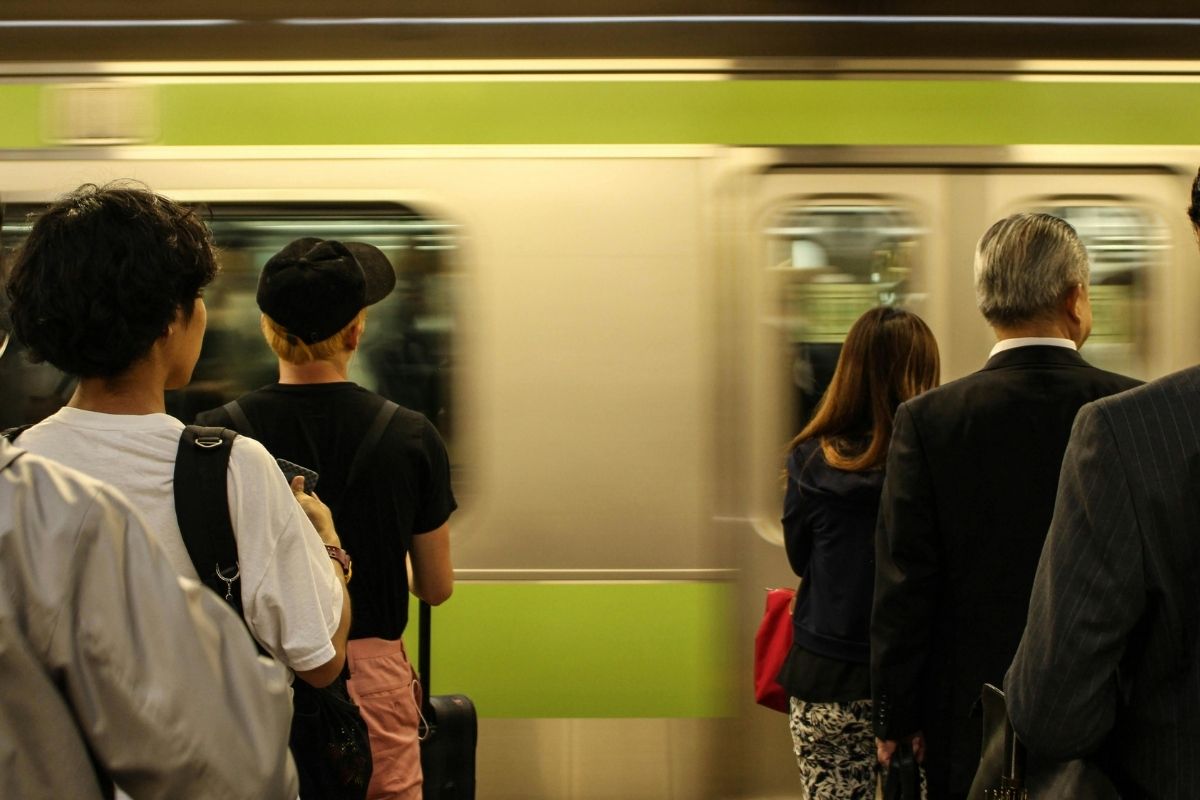
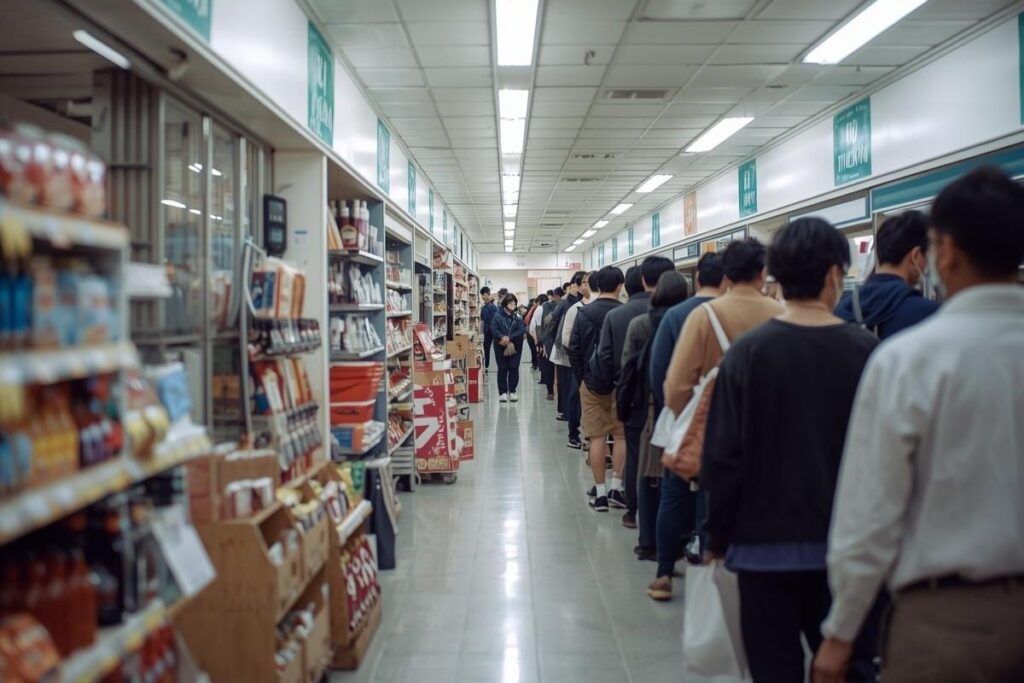
People wait calmly at train platforms, convenience stores, elevators, and food stalls—often without speaking, sighing, or showing frustration.
This article explains:
- Why lining up is taken so seriously in Japan
- What quiet lines communicate without words
- Why this behavior feels unusual to visitors
- How foreign visitors should act to avoid discomfort
- What this small habit reveals about Japanese society as a whole
Understanding this will help you navigate public spaces in Japan more comfortably—and avoid unintentional misunderstandings.
The First Thing Many Visitors Notice in Japan
Visitors often describe the same scene:
- Long but orderly lines
- No pushing or cutting
- Almost complete silence
- Clear respect for turn-taking
At busy train stations or crowded restaurants, this calm behavior can feel surprising—especially in a large city like Tokyo.
This leads to a common question:
Why does lining up matter so much in Japan?
Lining Up in Japan Is Not About Strict Rules
It may look like strict rule-following, but that is not the main reason.
In reality, Japanese people line up because of shared social awareness, not fear of punishment.
People line up because:
- Others are already lining up
- Disrupting the flow would feel uncomfortable
- Maintaining a calm atmosphere matters more than saving time
This behavior reflects a broader communication style in Japan.
👉 【🔗 Indirect Communication and “Reading the Air”】
Instead of being told what to do, people adjust their behavior by sensing what feels appropriate in the situation.
Quiet Lines as a Form of Unspoken Communication
In Japan, silence often communicates respect.
Standing quietly in line sends unspoken messages such as:
- “I am not taking more than my share.”
- “I respect the people around me.”
- “I want this space to remain comfortable.”
This kind of nonverbal communication appears throughout Japanese public life.
👉 【🔗 Why Trains in Japan Are So Quiet】
Silence is not indifference—it is consideration.
Avoiding Discomfort Within the Group
Japanese society places strong importance on avoiding discomfort within a group.
Cutting in line may save time, but it creates tension.
Even if no one says anything, the atmosphere becomes heavy.
For many Japanese people, that silent discomfort feels worse than waiting longer.
As a result, people often choose to:
- Leave a crowded restaurant and return later
- Wait patiently without complaint
- Adjust their schedule rather than disrupt others
This mindset is learned early.
Children are taught—both directly and indirectly—that lining up is natural.
If a child steps out of line, parents usually stop them immediately.
Sometimes even strangers gently say, “The line starts here.”
Order Creates a Sense of Safety and Fairness
Lines make the next step clear.
This creates:
- Predictability
- Fairness
- Reduced stress in crowded spaces
In densely populated cities, clear order helps everyone feel safer.
Interestingly, lines can also create subtle connections.
People sometimes exchange quiet comments like:
- “The line is long today.”
- “Is this the end of the line?”
Order does not remove human interaction—it softens it.
Why This Feels Unusual to Foreign Visitors
In many cultures, efficiency and assertiveness are valued.
In Japan, maintaining smooth social flow often matters more than individual convenience.
Visitors may think:
- “I’m alone, so it should be fine.”
- “I’m in a hurry.”
- “No one will notice.”
But in Japan, shared experience comes first.
If someone cuts in line, reactions are rarely aggressive.
Instead, people may:
- Gently tap a shoulder
- Quietly say, “Please line up.”
- Ask staff to intervene
If the behavior continues, the surrounding silence often grows heavier.
That silence is communication.
What Foreign Visitors Should Do in Japan
If you are unsure what to do:
- Look around first — follow what others are doing
- Assume a line exists, even if it is not obvious
- Ask politely:
- “Is this the line?”
- Avoid rushing behavior, even when in a hurry
Following the flow will almost always be appreciated.
What Lining Up Reveals About Japanese Culture
Lining up is a small action.
But in Japan, small actions often reflect deep values:
- Quiet patience
- Awareness of others
- Respect without verbal enforcement
- Trust that others will act fairly
These values are not taught through strict rules alone.
They are absorbed through everyday life.
Conclusion: Lining Up Is Participation, Not Obedience
Lining up quietly in Japan is not about blind rule-following.
It is about:
- Harmony
- Shared responsibility
- Keeping public spaces emotionally comfortable
Once you understand this, waiting quietly feels less like patience—and more like participation in Japanese society.
Sometimes, the most important lessons about a culture are taught without a single word.

[English] A local insider born in Nagasaki, educated in the U.S., and now based in the Kanto region. After a career in finance and publishing in Tokyo, I now explore the “Why” behind Japanese culture and hidden regional gems. My mission is to help you discover the authentic heart of Japan beyond the tourist crowds.
[한국어] 나카사키 출생, 미국 유학을 거쳐 도쿄 금융권 및 편집자로 활동한 현지인 에디터입니다. 현재 관동 지역에 거주하며 후쿠오카를 비롯한 일본 전역의 ‘진짜’ 매력과 독특한 문화 이야기를 전합니다. 여러분의 여행이 더욱 깊어지는 길잡이가 되겠습니다.