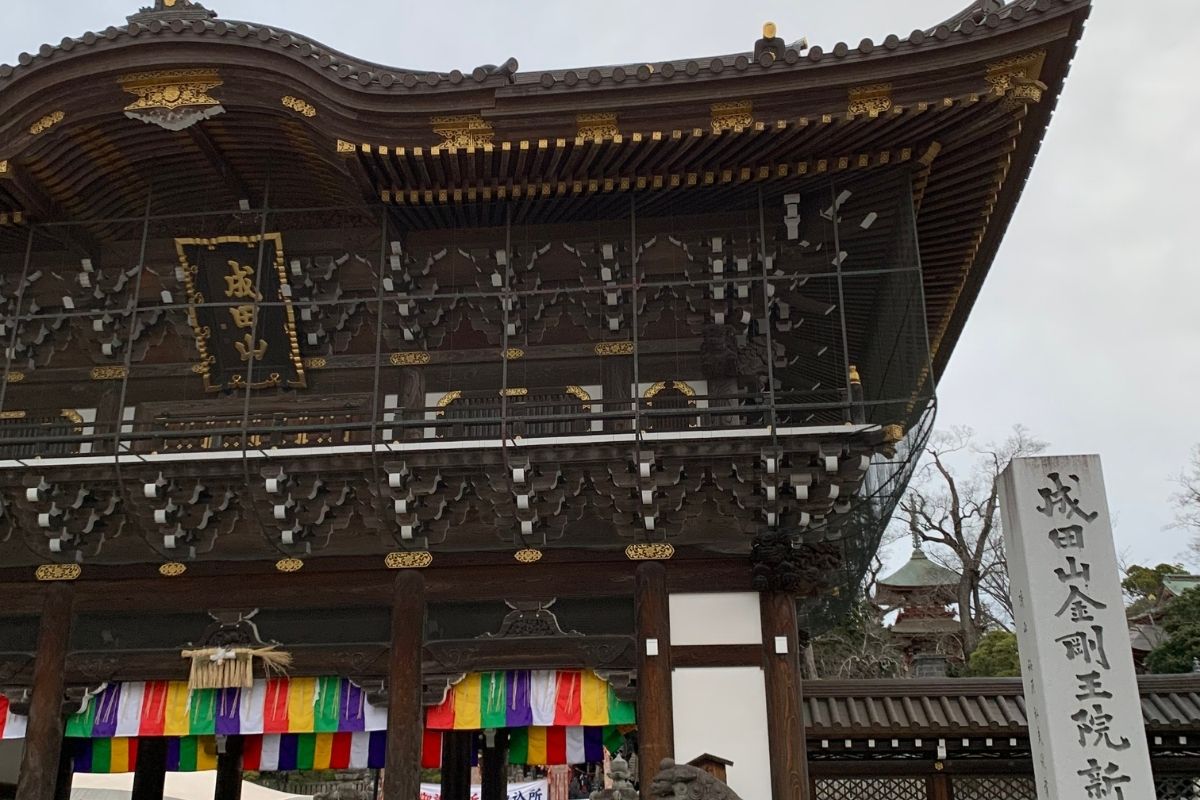
In early January, anyone visiting Japan will notice a calm and quietly meaningful scene.
Even people who say they are “not religious” head to shrines at the very beginning of the year.
They wait patiently in line, bow lightly, bring their hands together in prayer, and leave without much conversation.
For many visitors, this raises natural questions:
- Why do so many Japanese people visit shrines at New Year?
- Is this a religious act or simply a tradition?
- What are people actually praying for?
This New Year visit is called Hatsumōde—the first shrine or temple visit of the year.
Understanding Hatsumōde offers a clear window into how Japanese people think about time, gratitude, and new beginnings, and why participation itself often matters more than belief in Japan.
What Is Hatsumōde?
Hatsumōde literally means “first visit.”
It refers to visiting a shrine or temple for the first time after the New Year begins, most commonly between January 1st and January 3rd, though there is no strict rule.
During Hatsumōde, people often:
- Offer a short prayer
- Buy a protective charm (omamori)
- Draw a fortune slip (omikuji)
- Take a quiet moment to reflect
There is no checklist and no obligation to do everything.
What matters most is simply showing up with a calm, respectful mindset.
A Cultural Habit, Not a Religious Obligation
In many countries, visiting a religious site is closely tied to personal belief.
In Japan, Hatsumōde functions differently.
For most people, it is not about faith, but about:
- Marking the start of a new year
- Resetting emotionally after the previous year
- Expressing quiet gratitude for everyday life
Rather than asking for miracles, people acknowledge that a new cycle has begun.
This reflects a broader cultural pattern in Japan:
meaning is often communicated through actions, not explanations.
This way of thinking also appears in indirect communication and the habit of “reading the atmosphere,” which shapes many aspects of daily life in Japan.
What Do Japanese People Pray For?
Prayers at New Year are usually modest and practical.
Common wishes include:
- Good health
- Family safety
- Stability at work or school
- A peaceful year ahead
Many people do not ask for something dramatic.
Instead, they quietly express appreciation for what already exists.
This mindset connects to everyday phrases like itadakimasu and arigatō, where gratitude is offered even for ordinary moments.
At shrines, gratitude often comes before wishes.
A Personal Moment: Visiting a Shrine at Dawn
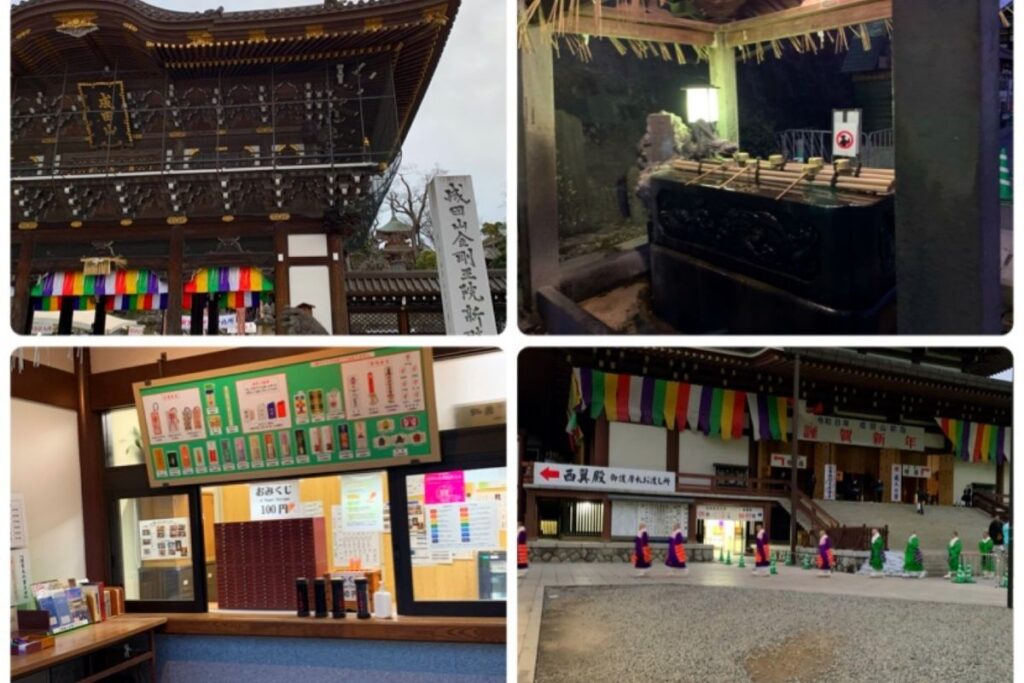
This year, my family visited a shrine early in the morning while it was still dark.
The grounds were almost empty, and the air felt unusually still.
As we walked, we passed several monks heading to work.
One of them stopped first, gently pressed his hands together, and greeted us with a soft “Good morning.”
Later, we watched a line of monks walk silently through the grounds, followed by a high-ranking monk wearing a deep crimson robe, then others in shades of purple, yellow, and pale green.
Seeing those colors against the shrine setting was unexpectedly moving.
Without thinking, we pressed our hands together in respect.
Moments like this show that Hatsumōde is not about spectacle, but about quiet awareness.
Why Shrines Stay Calm Even When Crowded
Many visitors are surprised by how orderly shrine visits feel, even during the busy New Year period.
- Lines move smoothly
- Voices naturally soften
- People wait without frustration
This calm is rarely enforced.
It comes from a shared understanding:
this is a space meant to be respected together.
The same mindset appears in other parts of Japanese daily life, such as quiet train cars and orderly queues.
👉 Related articles:
- 🔗 Why Japan Is Like This: Silent Trains and Quiet Public Spaces
- 🔗 Why Do People Line Up So Quietly in Japan?
Harmony within shared spaces is often valued more than individual speed or convenience.
Is Visiting a Shrine Mandatory?
No one is required to visit a shrine at New Year.
Some people go every year, while others skip it occasionally.
Still, many Japanese people feel slightly unsettled if they do not go at all.
This feeling does not come from religious pressure, but from a cultural habit of marking beginnings and endings properly.
Transitions matter.
How Visitors Can Experience Hatsumōde Respectfully
You do not need to understand Shinto or follow every ritual perfectly.
If you visit a shrine at New Year:
- Move slowly
- Observe others
- Stay calm and quiet
- Express simple gratitude
Even a brief bow and moment of stillness is enough.
What Hatsumōde Teaches About Japan
Hatsumōde is not about belief or doctrine.
It is about sharing the same seasonal rhythm, recognizing change, and quietly resetting oneself alongside others.
By taking part—simply by waiting, bowing, and pausing—you can experience how Japanese people relate to time, community, and renewal.
That small moment may leave a deeper impression than any explanation ever could.

[English] A local insider born in Nagasaki, educated in the U.S., and now based in the Kanto region. After a career in finance and publishing in Tokyo, I now explore the “Why” behind Japanese culture and hidden regional gems. My mission is to help you discover the authentic heart of Japan beyond the tourist crowds.
[한국어] 나카사키 출생, 미국 유학을 거쳐 도쿄 금융권 및 편집자로 활동한 현지인 에디터입니다. 현재 관동 지역에 거주하며 후쿠오카를 비롯한 일본 전역의 ‘진짜’ 매력과 독특한 문화 이야기를 전합니다. 여러분의 여행이 더욱 깊어지는 길잡이가 되겠습니다.